
How to Clean Tile Grout Naturally with Oxygen Bleach Powder
Learn how to clean tile grout naturally with oxygen bleach powder. Follow our step-by-step guide with exact ratios, dwell times, and non-toxic tips.
To clean tile grout naturally with oxygen bleach powder, mix 2 tablespoons of sodium percarbonate (oxygen bleach powder) with 2 cups of warm water (around 105°F to 120°F) until dissolved. Pour or spray the solution directly onto the grout lines, allow it to dwell for 15 to 30 minutes to break down organic stains, scrub lightly with a stiff nylon brush, and wipe clean with warm water.
Why Oxygen Bleach is the Ultimate Natural Grout Cleaner
Grout is inherently porous, acting like a mineral sponge that absorbs dirty mop water, cooking grease, body oils, and mold spores. While many homeowners reach for chlorine bleach or acidic vinegar, both options carry significant drawbacks. Chlorine bleach emits hazardous volatile organic compounds (VOCs) and weakens grout structure over time, while acidic solutions like pure vinegar can slowly dissolve cement-based grout binders.
Oxygen bleach powder (solid sodium percarbonate) offers an eco-friendly, non-toxic alternative. When dissolved in warm water, it decomposes into two simple, environmentally benign compounds: sodium carbonate (washing soda) and hydrogen peroxide. As the hydrogen peroxide breaks down, it releases millions of microscopic oxygen bubbles that physically lift trapped dirt and mildew out of grout pores without emitting toxic fumes or degrading the grout matrix.
Supplies and Tools Needed
Gather the following equipment before beginning the cleaning process:
- Oxygen bleach powder: 100% sodium percarbonate with no added synthetic fragrances or synthetic fillers.
- Warm tap water: 105°F to 120°F (warm water accelerates activation, but boiling water depletes the reaction too quickly).
- Mixing container: A clean plastic bucket or wide-mouth bowl.
- Application tool: A clean spray bottle, turkey baster, or small ladle.
- Agitation tool: A narrow, stiff-bristled nylon grout brush (avoid metal wire brushes, which scratch glazed tile).
- Wiping and rinsing tools: Microfiber cloths, a sponge, and a bucket of clean, cool water.
- Protective gear: Rubber cleaning gloves to prevent skin dryness from the alkaline soda ash.
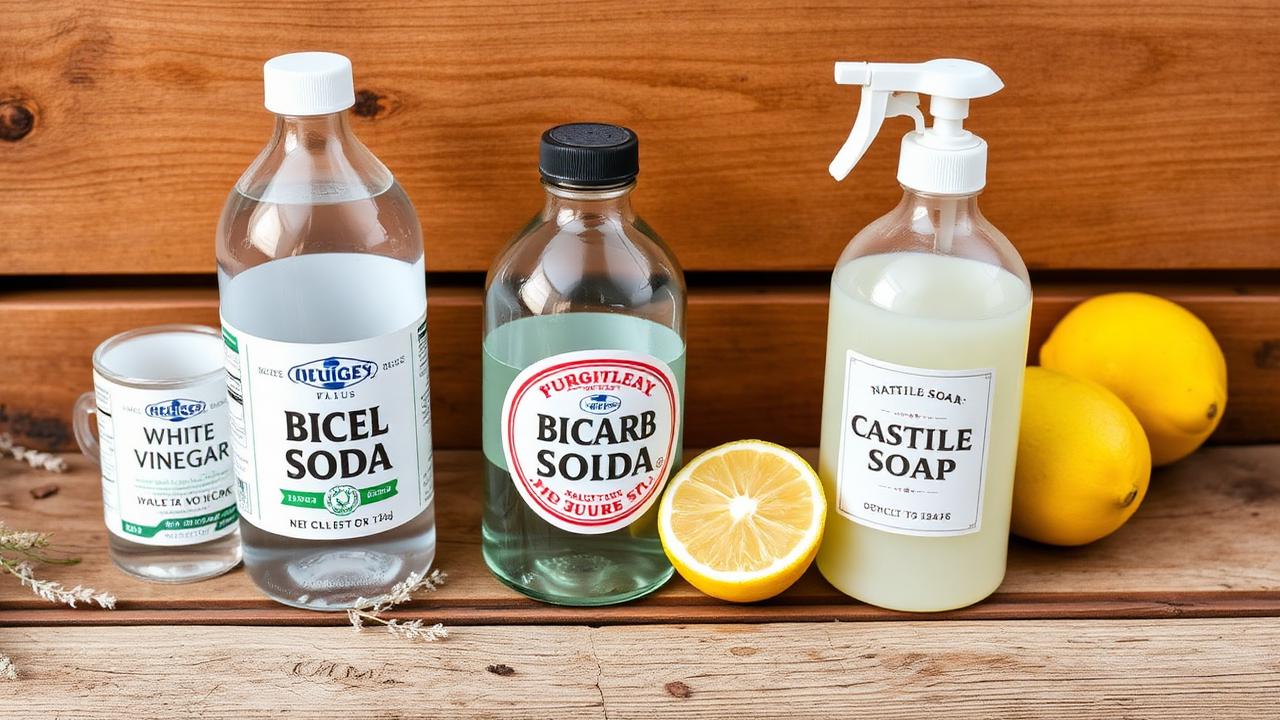
Step-by-Step: How to Clean Grout with Oxygen Bleach
1. Prepare the Area
Sweep or vacuum the tiled surface thoroughly to remove loose grit, hair, and dry debris. If you are cleaning a shower wall, wipe down the tiles with warm water to remove surface soap scum.
2. Mix the Oxygen Bleach Solution
For standard maintenance cleaning, mix 2 tablespoons of oxygen bleach powder per 2 cups of warm water. Stir the mixture for 1 to 2 minutes until the granules dissolve completely. For heavy staining or severely discolored floor grout, create a concentrated paste using 3 parts oxygen bleach powder to 1 part warm water.
3. Apply Generously to Grout Lines
Pour, spoon, or spray the liquid solution directly onto the grout lines. Ensure the grout is completely saturated. Because the solution needs moisture to keep the bubbling oxygen reaction active, apply enough liquid so the grout remains visibly wet throughout the process.
4. Allow the Solution to Dwell (15–30 Minutes)
Dwell time is the most critical step in natural oxygen cleaning. Let the solution sit on the grout for at least 15 to 30 minutes. The active oxygen will penetrate deep into the microscopic crevices of the grout. If the floor begins to dry out before the dwell time is complete, mist the area with a small amount of warm water to re-wet the surface.
5. Agitate with a Nylon Brush
After the dwell period, scrub the grout lines using back-and-forth strokes with a stiff-bristled nylon grout brush. Because the oxygen reaction has already loosened the grime, heavy manual force is unnecessary. Moderate pressure is sufficient to lift the suspended soils to the surface.
6. Rinse and Dry
Wipe away the dirty slurry using a damp microfiber cloth or sponge. Rinse your cloth frequently in a bucket of clean water to avoid redistributing dissolved grime across the tile. Finish by buffing the area dry with a clean towel to inspect your results.
Comparing Natural Grout Cleaning Methods
Oxygen bleach outperforms other popular DIY and commercial options across safety, material compatibility, and cleaning performance:
| Cleaning Agent | Safety Profile | Color-Safe on Grout? | Structural Impact on Grout | Effectiveness on Deep Stains |
|---|---|---|---|---|
| Oxygen Bleach (Sodium Percarbonate) | Non-toxic, biodegradable, zero VOCs | Yes (all colors) | None (safe for cement & epoxy) | High (deep oxygenating action) |
| Baking Soda & Vinegar | Non-toxic, safe for skin | Yes | Acidic erosion over time | Moderate (surface level only) |
| Liquid Chlorine Bleach | Toxic fumes, skin/eye irritant | No (fades colored grout) | Degrades cement over time | Moderate (bleaches, does not deep clean) |
| Hydrogen Peroxide (3% liquid) | Non-toxic, mild irritant | Yes | None | Moderate (dilute formula) |
Pro Tips for Difficult Stains and Colored Grout
- Treating Stubborn Mildew: For persistent black mold spots in shower corners, apply an oxygen bleach paste directly to the spot. Cover the paste with plastic wrap to prevent evaporation, let it sit for 45 minutes, then scrub and rinse.
- Safety on Colored Grout: Unlike chlorine bleach, oxygen bleach does not strip synthetic or mineral dyes from colored grout lines. However, always test a small, inconspicuous corner first to confirm colorfastness.
- Preventing Residue: Oxygen bleach leaves behind natural soda ash if not rinsed thoroughly. If you notice a faint white powder after drying, wipe the floor once more with clear warm water.
Maintaining Clean Grout Naturally
Once your grout lines are fully clean and dry (allow 24 to 48 hours of drying), apply a penetrating, water-based grout sealer to form a protective barrier against future moisture, grease, and dirt penetration. For routine weekly upkeep, mop tiled floors with warm water and a neutral pH plant-based cleaner to prevent buildup and keep your grout clean without harsh chemicals.
Cleneus is reader-supported. Pages carry display advertising and some outbound product links may earn us a commission, which never changes the methods we recommend. Read our disclosure.