
How Often to Wash Dust Mite Pillow Covers: Care & Schedule Guide
Learn how often to wash dust mite pillow covers, ideal wash temperatures, detergent tips, and how to maintain allergy protection without damaging the fabric.
You should wash dust mite pillow covers every 4 to 8 weeks (about once every 1 to 2 months). Unlike standard outer pillowcases, which require weekly washing, zippered dust mite encasements sit protected beneath an outer layer. Washing them every month or two eliminates surface allergen accumulation without prematurely degrading the tightly woven fabric or waterproof polyurethane membrane that blocks dust mites.
Dust Mite Pillow Covers vs. Regular Pillowcases
To establish a proper laundry routine, it is essential to understand the difference between your regular decorative pillowcase and a specialized dust mite encasement:
- Outer Pillowcase: Direct contact layer exposed to facial oils, drool, shed skin cells, and hair products. Wash frequency: Every 7 days.
- Dust Mite Pillow Cover (Encasement): A zippered barrier made with a microscopic pore size (typically under 6 microns) or a laminated barrier backing. It prevents microscopic mites (Dermatophagoides pteronyssinus) and their waste particles (Der p 1 allergens) from colonizing the pillow core. Wash frequency: Every 4 to 8 weeks.
Bedding Wash Schedule for Dust Allergy Control
Dust mite management requires different care intervals for each bedding layer. Use this reference table to keep your sleeping environment allergen-free:
| Bedding Layer | Washing Frequency | Ideal Water Temperature | Primary Purpose |
|---|---|---|---|
| Standard Pillowcase | Every 7 days | 130°F (54.4°C) | Removes oils, dead skin cells, and surface dust |
| Dust Mite Pillow Cover | Every 4 to 8 weeks | 130°F (54.4°C) | Clears settled allergen particles and freshens fabric |
| Pillow Core (Synthetic/Down Alt.) | Every 3 to 6 months | 130°F or per label | Cleans inner fibers (if not using an encasement) |
| Dust Mite Mattress Encasement | Every 6 to 12 months | 130°F (54.4°C) | Maintains whole-bed allergen defense |
| Sheets & Blankets | Every 7 to 10 days | 130°F (54.4°C) | Kills live dust mites and clears dander |
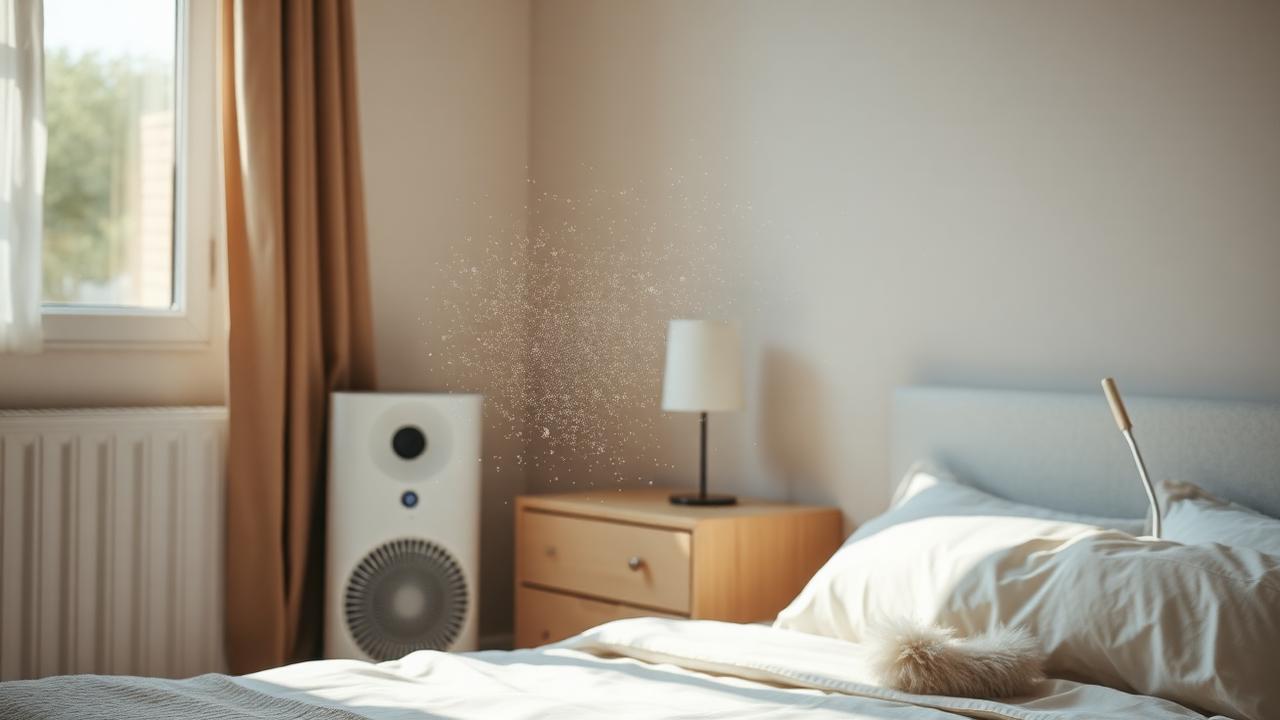
When to Wash Dust Mite Pillow Covers More Frequently
While the standard 4-to-8-week window works for most households, adjust your schedule to every 2 to 3 weeks if any of the following apply:
- Severe Allergic Rhinitis or Asthma: If you experience persistent morning nasal congestion, sneezing, or itchy eyes, shortening the wash cycle prevents allergen buildup on the outer surface of the encasement.
- Heavy Night Sweats: Moisture can penetrate standard pillowcases, reaching the dust mite cover and creating a humid environment where mites thrive.
- Pets Sleep in the Bed: Pet dander feeds dust mites and deposits allergens directly through standard pillowcases.
- Recovery from Sickness: Wash all protective bedding immediately after recovering from a viral or bacterial respiratory infection.
- You Do Not Use an Outer Pillowcase: If you sleep directly on the zippered dust mite protector, wash it weekly at 130°F.
How to Wash Dust Mite Pillow Covers: Step-by-Step
Dust mite covers rely on tightly woven microfibers or heat-sensitive laminates. Improper laundering can melt the backing or stretch the weave, letting allergens pass through. Follow these exact steps:
1. Strip and Inspect
Remove the outer pillowcase. Unzip the dust mite encasement and slide out the pillow core. Check the zipper and seams for any tears or fraying. If the cover has torn, it can no longer block particles and must be replaced.
2. Select the Correct Water Temperature
To neutralize dust mite allergens and kill live mites, wash at a minimum of 130°F (54.4°C). If your fabric care label specifies cold or warm water only (common with certain polyurethane membranes), wash on warm and use an allergen-denaturing laundry additive containing tea tree oil or sodium carbonate peroxyhydrate.
3. Choose the Right Detergent
Use a mild, dye-free, liquid hypoallergenic detergent. Avoid the following additives:
- Chlorine Bleach: Weakens microfibers and strips protective laminate coatings.
- Fabric Softeners: Coat micro-weave pores with a waxy residue that traps allergens and reduces breathability.
- Powder Detergents: Can leave undissolved granules inside the fabric weave, reducing airflow.
4. Run a Gentle Wash Cycle
Wash zippered covers with other lightweight bedding. Zip the cover half-way shut before washing to prevent the slider from snagging other items, and run on a gentle or normal cycle with an extra rinse to remove all detergent residue.
5. Dry on Low Heat
Tumble dry on low heat (under 120°F / 49°C) for 20 to 30 minutes, or line-dry completely. Never use high heat, as excessive temperatures warp polyurethane coatings and crack the membrane. Ensure the cover is 100% dry before reinstalling; damp covers trapped against pillows promote mold growth.
Risks of Over-Washing Dust Mite Covers
Washing your dust mite encasement every single week can backfire. Repeated mechanical agitation and high heat cause:
- Pore Expansion: Cotton and synthetic weaves stretch over time. Once the pore size exceeds 10 microns, dust mites and their waste can travel through the fabric.
- Delamination: Polyurethane membranes blister, peel, or crack, creating entry points for allergens and moisture.
- Zipper Wear: Frequent washing increases the likelihood of broken teeth or split seams along the zipper line, voiding the barrier.
When to Replace Your Dust Mite Pillow Cover
Even with careful laundering, dust mite covers do not last indefinitely. Replace your encasement if you notice any of these signs:
- The waterproof or laminate backing is peeling, flaking, or feels brittle.
- The fabric has developed small holes, fraying around the zipper track, or seam separation.
- Your allergy symptoms return despite sticking to a regular cleaning schedule.
- The cover has reached the end of its typical lifespan: 2 to 3 years for membrane-backed covers and 4 to 5 years for 100% woven cotton micro-weave covers.
Summary
Maintain your dust mite pillow covers by washing them every 4 to 8 weeks in 130°F water with a gentle, liquid detergent, while continuing to wash your outer pillowcases weekly. This schedule keeps allergen levels near zero without destroying the protective microscopic barrier of your encasements.
Cleneus is reader-supported. Pages carry display advertising and some outbound product links may earn us a commission, which never changes the methods we recommend. Read our disclosure.