
How to Naturally Deodorize Carpet with Baking Soda and Lavender Oil
Learn how to naturally deodorize carpet with baking soda and lavender oil. Follow our exact DIY measurements, dwell times, and vacuuming instructions.
To naturally deodorize carpet with baking soda and lavender oil, mix 2 cups of pure baking soda with 15 to 20 drops of pure lavender essential oil in a shaker jar. Shake thoroughly to break up clumps, sprinkle an even layer across dry carpet fibers, let it sit for a minimum of 30 to 60 minutes (or up to 12 hours for stubborn smells), and vacuum thoroughly using overlapping passes.
Why Baking Soda and Lavender Oil Eliminate Carpet Odors
Commercial carpet powders and aerosol fresheners often rely on artificial fragrances, phthalates, and harsh chemical propellants that mask smells temporarily rather than neutralizing them. Combining sodium bicarbonate (baking soda) and pure lavender essential oil creates a potent, non-toxic cleaning agent that addresses odors at the molecular level.
- pH Neutralization: Baking soda is amphoteric, meaning it reacts with both acidic odors (like pet urine, sour milk, and sweat) and basic volatile compounds, neutralizing them into odorless salts.
- Moisture Absorption: Sodium bicarbonate pulls trapped moisture out of carpet fibers and backing, eliminating the damp microclimates where odor-causing bacteria flourish.
- Antimicrobial Properties: Pure lavender essential oil (Lavandula angustifolia) contains linalool and linalyl acetate, natural compounds known for gentle antibacterial and antifungal activity that leave behind a fresh, calming aroma without synthetic residues.
Materials and Ingredients Checklist
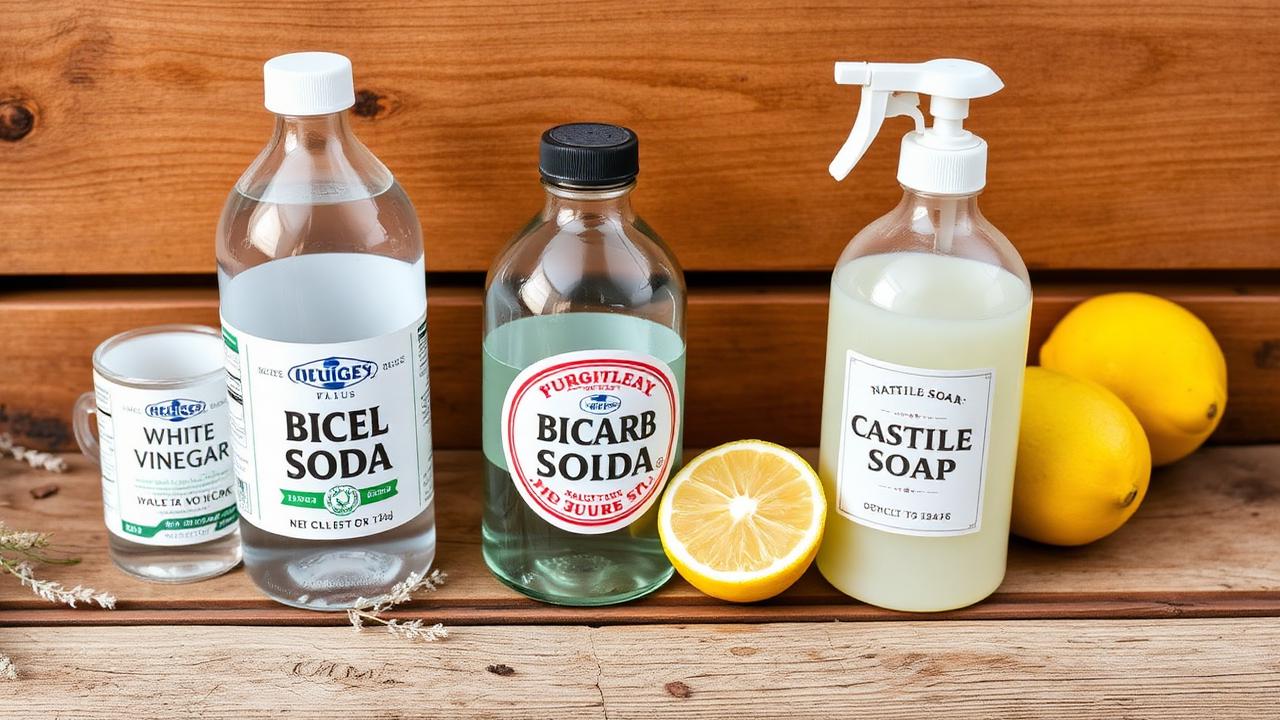
Gather the following supplies before you begin:
- Baking Soda: 2 cups of standard arm-and-hammer grade or bulk sodium bicarbonate.
- Lavender Essential Oil: 15 to 20 drops of 100% pure therapeutic-grade Lavandula angustifolia oil.
- Mixing Container: A clean 16-ounce or 32-ounce glass mason jar with a metal shaker lid (or a standard lid with small holes punched through it).
- Fork or Whisk: To break up moisture clumps during mixing.
- Vacuum Cleaner: An upright or canister vacuum equipped with a clean HEPA filter and an empty canister or bag.
Step-by-Step Guide to Deodorizing Your Carpet
Step 1: Vacuum the Carpet First
Never apply baking soda directly to a dusty or debris-covered carpet. Run your vacuum slowly over the target area to remove loose dirt, pet hair, and surface grit. Removing this top layer exposes the lower carpet fibers, allowing the deodorizing powder to penetrate closer to the backing where odor molecules settle.
Step 2: Prepare the Lavender Deodorizer Blend
Add 2 cups of baking soda into your glass jar. Add 15 to 20 drops of lavender essential oil directly onto the powder. Seal the lid tightly and shake vigorously for 30 to 45 seconds. Remove the lid and inspect the mixture; use a fork to crush any remaining damp oil clumps so the powder remains fine and powdery. Let the closed jar rest for 10 minutes so the oil infuses evenly through the sodium bicarbonate.
Step 3: Conduct a Quick Spot Test
If you are treating delicate, antique, or natural-fiber carpets (such as jute, sisal, or unsealed wool), apply a tablespoon of the powder in an inconspicuous corner or inside a closet. Wait 20 minutes, vacuum it up, and verify that no fiber discoloration or residue remains.
Step 4: Distribute the Powder Evenly
Shake the powder across the carpet in light, sweeping motions. Aim for a thin, uniform dusting rather than heavy piles. A 2-cup batch covers approximately 100 to 150 square feet of low-to-medium pile carpet. For high-pile or shag carpets, lightly brush the surface with a dry bristle broom or clean carpet rake to work the particles deeper into the strands.
Step 5: Allow Adequate Dwell Time
Dwell time dictates odor elimination strength. Match your wait time to the severity of the odor:
- Standard Refresh (General maintenance): 30 to 60 minutes.
- Moderate Stale Odors (Cooking smells, closed rooms): 2 to 4 hours.
- Deep Odors (Pet dander, humidity, smoke residue): 8 to 12 hours (overnight).
Keep children and pets off the treated area while the powder rests on the carpet.
Step 6: Vacuum Thoroughly
Slowly vacuum the treated area using crisscross, overlapping passes. Move at half your normal vacuuming speed to give the suction motor time to pull fine baking soda particles out of the dense pile. Empty the vacuum canister or replace the bag immediately after finishing to prevent fine powder from restricting airflow.
Application Rates and Dwell Times by Scenario
Use this reference table to scale your ingredients and contact time based on room dimensions and odor levels.
| Room Type / Area Size | Baking Soda Volume | Lavender Oil Drops | Recommended Dwell Time | Best Suited For |
|---|---|---|---|---|
| Small Rug / Entryway (25–50 sq. ft.) | 1/2 cup | 4–5 drops | 30 minutes | Muddy foot traffic, light mustiness |
| Standard Bedroom (120–150 sq. ft.) | 2 cups | 15–20 drops | 1–2 hours | Dust, general stale air, body oils |
| Large Living Room (250–300 sq. ft.) | 4 cups | 30–40 drops | 3–4 hours | Heavy foot traffic, lingering food smells |
| Pet-Heavy Zone / Basement (150 sq. ft.) | 2 to 3 cups | 10–12 drops | 8–12 hours (Overnight) | Embedded pet odors, seasonal humidity |
Safety Considerations for Pets and Children
While baking soda and lavender oil are far safer than synthetic chemical deodorizers, keep key precautions in mind:
- Cats and Essential Oils: Cats lack specific liver enzymes (glucuronyl transferase) required to metabolize concentrated essential oils. When treating homes with felines, reduce the lavender oil to no more than 6 to 8 drops per 2 cups of baking soda, and keep cats out of the room entirely until the carpet has been completely vacuumed.
- Dogs: Dogs generally tolerate diluted lavender well, but keep them off treated floors during dwell time to prevent powder ingestion through paw licking.
- Completely Dry Surfaces: Never apply baking soda to wet carpet or damp spot-clean patches. Moisture turns baking soda into a thick, chalky paste that binds to fiber backings and is extremely difficult to remove once dry.
Pro Tips for Vacuum Care When Using Baking Soda
Baking soda consists of fine, microscopic granules that can clog standard paper filters. To protect your equipment:
- Clean or tap out your vacuum’s pre-motor filter after every whole-room baking soda treatment.
- Use vacuums with sealed HEPA systems to ensure fine particles are trapped inside the unit rather than blown back into room air.
- If using a bagless machine, empty the dust cup when it reaches the half-full line to maintain maximum air velocity.
Fresh Carpets Without Harsh Chemicals
Deodorizing your carpet with baking soda and lavender oil is an effective, inexpensive, and eco-friendly home care habit. By using exact ratios, allowing sufficient dwell time, and maintaining consistent vacuuming technique, you can neutralize stubborn odors at the source and keep indoor air fresh without toxic synthetic sprays.
Cleneus is reader-supported. Pages carry display advertising and some outbound product links may earn us a commission, which never changes the methods we recommend. Read our disclosure.