
Best Vacuum Cleaner for Pet Hair: Top Features and Buyer's Guide
Discover how to choose the best vacuum cleaner for pet hair. Learn key features, filtration needs, and tips to keep carpets and furniture fur-free.
The best vacuum cleaner for pet hair is one equipped with high suction power, a tangle-free motorized brush roll, and a fully sealed HEPA filtration system. Pet fur easily weaves into carpet fibers and clings to upholstery via static electricity, requiring specialized rubberized attachments and multi-cyclonic suction to lift deeply embedded fur, dander, and dried outdoor debris without clogging.
Key Features to Look For in a Pet Hair Vacuum
Finding a vacuum that can handle heavy seasonal shedding requires looking beyond standard cleaning specs. Pet hair presents unique challenges that quickly burn out standard vacuums or clog air pathways. When shopping for the ideal model, prioritize these essential features:
- Tangle-Free Brush Rolls: Traditional vacuum bristles catch long strands of dog and cat hair, wrapping them tightly around the roller. Look for conical brush bars, rubber flaps, or self-cleaning brush rolls that automatically cut or clear hair as you clean.
- Sealed HEPA Filtration: Pet dander and dried saliva particles are major household allergens. A vacuum with a sealed HEPA filter traps 99.97% of dust and allergens as small as 0.3 microns, preventing them from blowing back into your living spaces.
- Motorized Pet Tools: Mini motorized handheld tools or rubberized pet turbo brushes are crucial for lifting stubborn hair from couch cushions, pet beds, vehicle seats, and carpeted staircases.
- Variable Suction Controls: High suction is great for thick carpets, but it can pull lightweight throw rugs into the nozzle. Adjustable suction allows you to glide smoothly over delicate fabrics and floor mats.
- Large Dustbin or High-Capacity Bags: Shedding pets generate high volumes of fluff that rapidly fill standard canisters. A larger capacity reduces the frequency of mid-cleaning trips to the trash can.
Upright vs. Canister vs. Cordless Stick Vacuums for Pets
Choosing the right vacuum style depends on the size of your home, your flooring types, and how often your pets shed. Each design offers distinct advantages for pet owners.
Upright vacuums provide the highest sustained suction power and the widest cleaning paths. They are typically the best option for large, fully carpeted homes with multiple shedding animals. Their weight and corded power allow for aggressive agitation of deep carpet fibers.
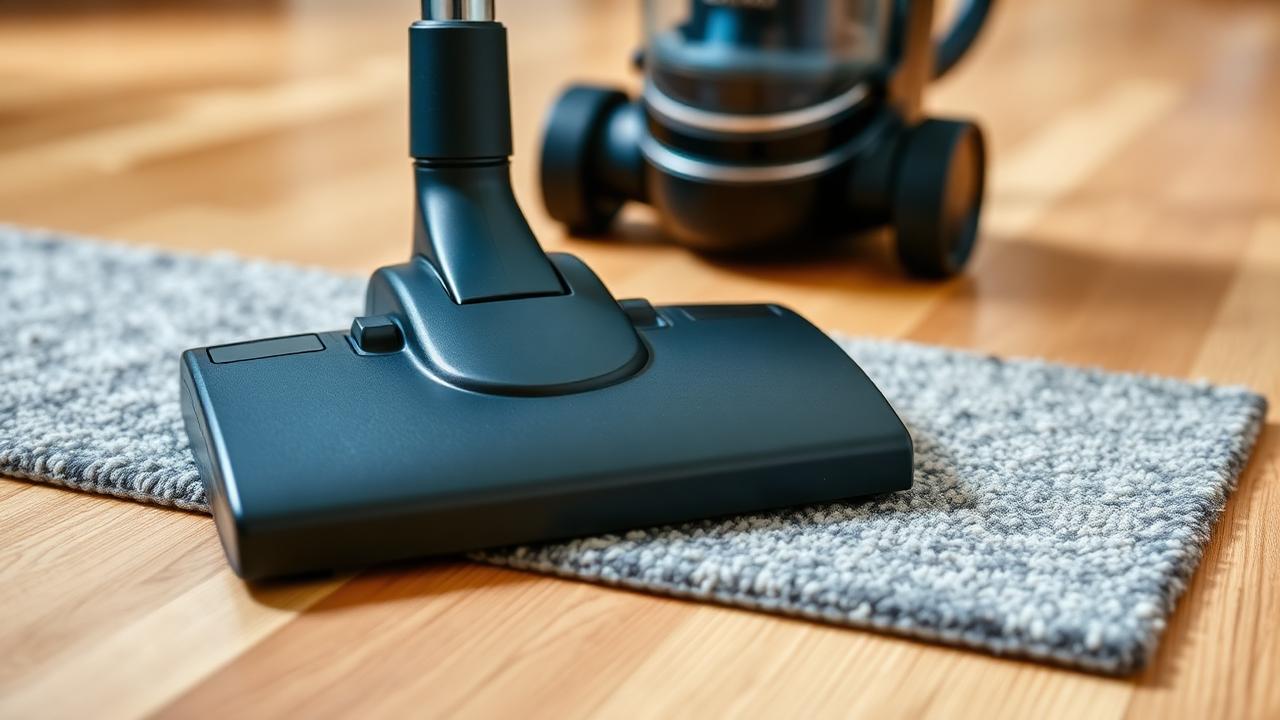
Canister vacuums offer exceptional versatility and powerful suction combined with lightweight wands. Because the heavy motor rests on wheels behind you, canisters make it much easier to vacuum under low furniture, clean floorboards, reach curtain tops, and navigate carpeted stairs where pet hair tends to accumulate in corners.
Cordless stick vacuums offer unmatched convenience for daily maintenance. Quick spot-cleaning before fur settles into carpet fibers prevents deep-seated buildup. However, cordless units generally have smaller dustbins and limited battery runtimes on maximum suction modes, making them better suited for smaller spaces or frequent touch-ups alongside a heavy-duty corded model.
Bagged vs. Bagless Vacuums for Pet Owners
Pet owners must decide whether a bagged or bagless model better fits their routine and allergy sensitivity:
- Bagged Vacuums: Bagged models are the gold standard for allergy sufferers. When you replace a self-sealing bag, the trapped fur, dander, and dust mites remain securely locked inside without creating an airborne dust cloud. Bags also act as an extra layer of filtration, keeping internal motors cleaner for longer.
- Bagless Vacuums: Bagless models eliminate the ongoing cost of replacement bags and allow you to see immediately when the bin is full. However, emptying a bagless dustbin can release a plume of dander and dust back into the air. If you choose bagless, look for models with point-and-shoot emptying mechanisms that push debris out cleanly.
Best Vacuuming Techniques for Embedded Pet Fur
Even the most powerful vacuum cleaner benefits from proper technique when dealing with stubborn pet hair that has woven itself into carpets and furniture fabrics.
Vacuum slowly in overlapping strokes. Pet hair requires strong mechanical agitation to break static bonds. Moving the vacuum forward and backward in a crisscross pattern (north-to-south, then east-to-west) lifts carpet fibers from multiple directions, dislodging hair trapped beneath the surface.
Pre-treat heavily soiled upholstery with a rubber squeegee, rubber glove, or specialized pet hair rake. Pulling a rubber blade across your sofa cushions before vacuuming gathers loose fur into easy-to-vacuum clumps and saves your vacuum's mini-tools from unnecessary strain.
Empty the dustbin before it reaches maximum capacity. As a vacuum canister fills past the indicated line, airflow drops significantly. Maintaining an empty dust cup ensures your vacuum operates at peak suction throughout your cleaning session.
Essential Maintenance to Keep Your Pet Vacuum Running Strong
Pet hair, dander, and litter dust put excessive wear on vacuum components. Establishing a simple maintenance routine extends the lifespan of your machine and prevents unpleasant pet odors.
- Wash or Replace Filters Regularly: Pre-motor foam filters should be washed in cold water every month and allowed to dry completely for 24 hours. Replace HEPA filters annually or according to manufacturer recommendations to maintain peak airflow.
- Inspect the Brush Roller Weekly: Even anti-tangle rollers can occasionally catch thread, hair ties, or long fur around the end caps. Remove the roller to clear any buildup around the bearings to prevent motor overheating.
- Wipe Down the Canister and Seals: Pet oils and dander coat the inside of bagless dustbins, creating lingering odors. Wash the bin periodically with warm water and mild soap, ensuring all rubber gaskets remain supple and clean.
- Check Hoses for Hidden Blockages: Clumps of pet fur combined with small debris can lodge in hose bends. If you notice a sudden drop in suction, shine a flashlight through the hose to check for and clear obstructions.
Conclusion
Investing in the best vacuum cleaner for pet hair comes down to finding a machine with strong suction, a tangle-resistant brush roll, and certified HEPA filtration. By matching your vacuum style to your flooring and committing to regular filter maintenance, you can keep your home fresh, clean, and effortlessly fur-free.
Cleneus is reader-supported. Pages carry display advertising and some outbound product links may earn us a commission, which never changes the methods we recommend. Read our disclosure.