
Why Is It Hard to Stick to a Cleaning Schedule? Causes and Practical Fixes
Discover why is it hard to stick to a cleaning schedule and learn practical, sustainable systems to keep your home clean without burnout.
Why Is It Hard to Stick to a Cleaning Schedule?
Sticking to a cleaning schedule is hard primarily because most routines are built on idealized expectations rather than human behavior. People often fail to maintain cleaning schedules due to perfectionist all-or-nothing mindsets, poor time estimation for chores, decision fatigue after work, and overly rigid task lists that collapse the moment an unexpected event interrupts the day.
When a single missed chore causes a cascading backlog, motivation drops. Transforming chore management requires understanding the psychological and mechanical bottlenecks that cause cleaning plans to fail, followed by implementing flexible, low-friction systems.
The Psychological Traps of Cleaning Schedules
Home maintenance failures are rarely about a lack of discipline. They stem from predictable cognitive traps that undermine consistency.
- Perfectionism and Chore Paralysis: If your schedule requires 45 minutes of detailed bathroom sanitizing—scrubbing tile grout with oxygen bleach, descaling fixtures, and polishing glass—you are more likely to avoid the task entirely if you only have 10 minutes available.
- Optimism Bias in Time Estimation: Most homeowners underestimate how long tasks take. Emptying a standard 12-place-setting dishwasher takes roughly 4 minutes, but mental resistance makes it feel like a 20-minute burden. Conversely, deep-cleaning an oven with a baking soda paste takes 30 to 45 minutes of active labor, but schedules often budget only 10 minutes, leading to schedule overrun and frustration.
- Decision Fatigue: At 6:30 PM, after a workday, deciding which cleaner to dilute, which room to tackle, and where to start exhausts executive function. Without an automatic, non-negotiable trigger, the path of least resistance wins.
Structural Flaws in Standard Cleaning Routines
Beyond psychology, the architecture of standard cleaning plans is fundamentally flawed for modern households.
Rigid Calendar Assignments
Traditional chore charts designate specific tasks to fixed days: Monday for vacuuming, Tuesday for dusting, Wednesday for bathrooms. If you work late on Wednesday, the bathroom remains dirty. By Thursday, you now have two days of work queued. The backlog creates resentment, leading many to abandon the entire system by the second week.
Tool and Supply Friction
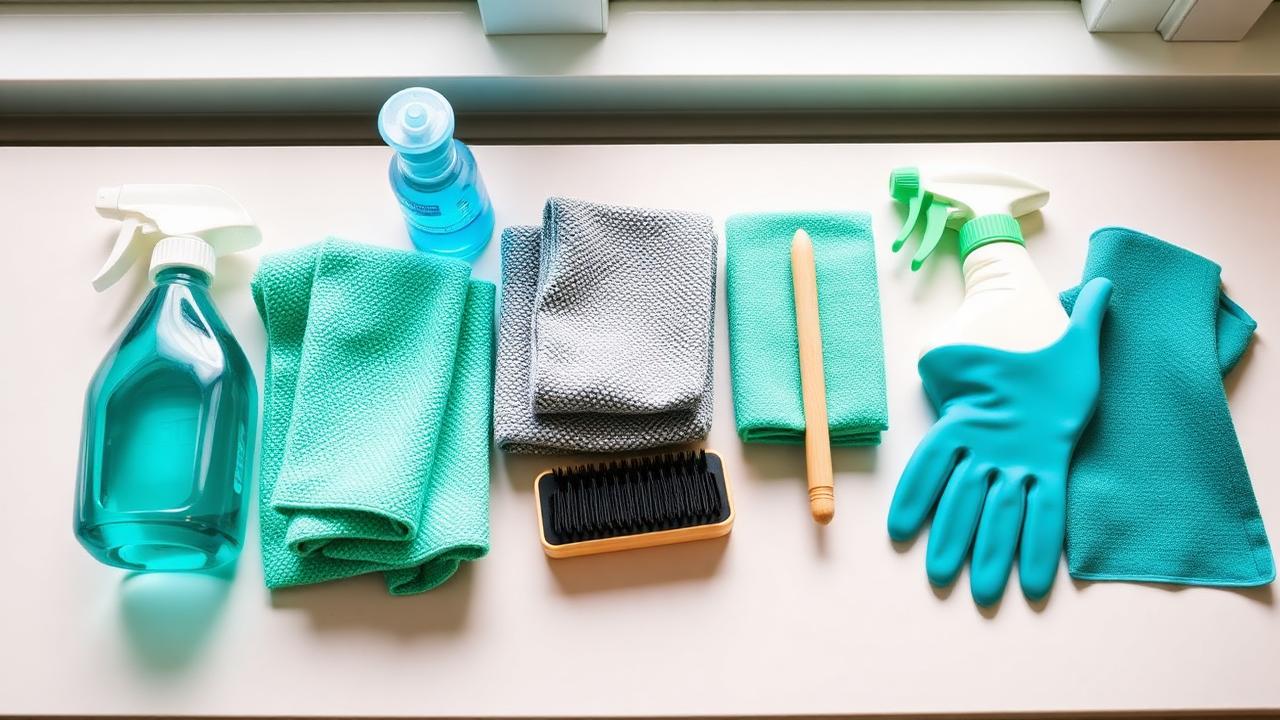
Friction kills routines. If you need to retrieve a heavy vacuum from an upstairs closet, locate a specific pH-neutral stone cleaner from the basement, and hunt for clean 300 GSM microfiber cloths, the activation energy required to start is too high. Cleaning tools must be stored directly at the point of use.
Evaluating Cleaning Schedule Frameworks
Choosing the wrong framework guarantees failure. Compare these common models to identify which matches your energy levels and home layout:
| Schedule Framework | Core Structure | Common Failure Point | Best For |
|---|---|---|---|
| Rigid Daily Checklist | Specific chores assigned to set days (e.g., Floors on Friday). | Missed days snowball into an overwhelming backlog. | Individuals with highly predictable, unchanging weekly schedules. |
| Weekly Deep-Clean Blitz | One 3- to 4-hour session on Saturday or Sunday morning. | Weekend burnout; chores consume personal time. | Smaller spaces (under 800 sq. ft.) and low-traffic homes. |
| Zone Cleaning | Focusing on one zone (Kitchen, Bathrooms) per week on rotation. | High-traffic zones get unmanageable between cycles. | Medium to large homes with variable weekly schedules. |
| 15-Minute Micro-Bursts | Two daily 15-minute intervals focused on prioritized resets. | Deep cleaning (baseboards, oven interiors) gets neglected. | Busy families, high-stress routines, and habit building. |
How to Build a Cleaning Schedule You Can Actually Keep
To establish a sustainable habit, reduce friction, adjust expectations, and base your routine on functional maintenance rather than showroom perfection.
1. Conduct a Time Audit
Stop guessing how long tasks take. Use a stopwatch for one week to time regular household chores:
- Wiping down kitchen counters with a microfiber cloth and multi-surface spray: 2 minutes.
- Vacuuming 500 square feet of high-traffic living area: 6 to 8 minutes.
- Scrubbing a toilet bowl and wiping the seat with a quaternary disinfectant: 3 minutes.
- Stripping bed sheets and loading the washing machine: 4 minutes.
Knowing precise time investments eliminates mental resistance. When you realize a task takes 180 seconds, starting is much easier.
2. Implement Cleaning Caddies in High-Traffic Zones
Eliminate physical friction by storing cleaning products where they are used:
- Kitchen Caddy: Degreasing surface cleaner, dish soap, 4 clean microfiber cloths, and a stiff-bristle dish brush.
- Bathroom Caddy: Citric-acid-based soap scum remover, non-abrasive scrub sponge, glass cleaner, and a toilet brush. Keep one in every bathroom.
3. Anchor Chores to Existing Habits
Link cleaning tasks to established daily anchors instead of setting arbitrary alarm times:
- Wipe the bathroom sink immediately after brushing your teeth in the morning.
- Run the dishwasher every night after dinner regardless of whether it is completely full, ensuring an empty sink every morning.
- Squeegee shower walls after the final shower of the day to eliminate mineral buildup from 120°F water before it hardens.
4. Adopt the "Closing Shift" Routine
Spend exactly 15 minutes before bed resetting primary surfaces. Focus exclusively on three areas: clearing the kitchen sink, running the dishwasher, and wiping the main kitchen prep counter. Waking up to clean surfaces reduces morning stress and prevents kitchen messes from compounding.
Troubleshooting Common Consistency Pitfalls
When your routine breaks down, apply these targeted corrections instead of scrapping the schedule:
- The Backlog Trap: If you miss three days of cleaning, do not attempt a marathon 2-hour session to catch up. Reset the clock, forgive the missed days, and execute only today's 15-minute routine.
- Overwhelming Clutter: Cleaning is sanitizing and wiping surfaces; tidying is putting items away. Never attempt to clean a cluttered room. Remove items from the floor and counters first, or establish a dedicated 5-minute "toss-in-bin" sweep before cleaning surfaces.
- Energy Slumps: On days with low energy, downgrade tasks to the absolute minimum viable action: take out the trash and run the dishwasher cycle. Maintenance is about momentum, not intensity.
Sustainable Cleaning Requires Systems, Not Willpower
Cleaning schedules fail when they rely on high motivation, rigid rules, and unrealistic time blocks. By timing your chores, placing supplies at the point of use, and prioritizing daily 15-minute habit anchors over multi-hour deep cleans, you create an effortless system that keeps your home functional and orderly.
Cleneus is reader-supported. Pages carry display advertising and some outbound product links may earn us a commission, which never changes the methods we recommend. Read our disclosure.