
How to Split a House Cleaning Schedule with Roommates Fairly
Learn how to split a house cleaning schedule with roommates. Discover rotation systems, chore checklists, supply budgeting, and conflict-free cleaning habits.
To split a house cleaning schedule with roommates, list every shared area, define specific cleaning standards for each chore, and select a fair distribution model such as weekly zone rotations, task swaps, or a shared 60-minute weekend sprint. Document the schedule on a shared digital app or physical whiteboard to maintain accountability and eliminate passive-aggressive friction.
1. Inventory Common Areas and Establish Task Frequency
Before assigning names to chores, compile a comprehensive list of all communal zones in your living space. Do not include private bedrooms or en-suite bathrooms, as those remain individual responsibilities.
Divide communal cleaning tasks by the frequency required to keep the home sanitary and functional:
- Daily (5–10 minutes): Wipe kitchen counters after meal prep with an EPA-registered multi-surface spray, wash or load personal dishes into the dishwasher, empty full trash bins, and sweep high-traffic kitchen crumbs.
- Weekly (30–45 minutes): Scrub the bathroom toilet, sink, and tub/shower stall; vacuum rugs and mop hard floors with a pH-neutral cleaner; wipe down the microwave interior and stovetop; take recycling and trash bins to the curb.
- Monthly (45–60 minutes): Wipe down refrigerator shelves and toss expired food; dust baseboards, ceiling fans, and window blinds; wash communal bath mats at 140°F (60°C); wipe switch plates and door handles.
- Deep/Seasonal (1–2 hours): Clean inside the oven, pull out appliances to sweep behind them, clean window glass, and deep-clean the dishwasher filter.
2. Choose the Right Distribution Method
Different roommate dynamics require different systems. Review these three proven frameworks with your housemates to choose the one that fits everyone's work and school schedules.
The Zone Rotation System
Divide the house into distinct zones (e.g., Zone 1: Kitchen; Zone 2: Bathroom; Zone 3: Living Room & Entryway). Each roommate owns a single zone for one week or one month, then rotates to the next zone. This method ensures one person is fully responsible for a contained space, making it easy to track accountability.
The Task-Category Split
If roommates have strong preferences or dislikes, divide responsibilities based on task types. One person might handle all vacuuming and mopping throughout the apartment, while another handles bathroom sanitation, and a third manages trash, recycling, and kitchen surfaces. Keep this split fixed unless someone requests a rebalance.
The Weekly "Power Hour"
Rather than cleaning individually throughout the week, all roommates set aside the same 60-minute window (e.g., Sunday at 11:00 AM). Everyone tackles their assigned areas simultaneously with music playing. This eliminates resentment about who is working while others relax.
| Cleaning Task | Frequency | Average Time | Supplies Required |
|---|---|---|---|
| Dishwasher Unload & Sink Clear | Daily | 5–10 mins | Dish soap, non-scratch sponge |
| Kitchen Counters & Stovetop | Daily / Post-Cooking | 5 mins | Multi-surface cleaner, microfiber cloth |
| Bathroom Toilet, Sink, & Mirror | Weekly | 20 mins | Disinfectant spray, glass cleaner, toilet bowl cleaner, brush |
| Shower & Tub Scrub | Weekly | 15 mins | Bathroom scrub, grout brush, squeegee |
| Vacuuming & Hard Floor Mopping | Weekly | 25 mins | HEPA vacuum, microfiber flat mop, floor cleaner |
| Trash & Recycling Removal | Bi-weekly / As needed | 5 mins | Heavy-duty trash bags (13-gallon) |
| Fridge Cleanout & Shelf Wipe | Monthly | 25 mins | Warm water, baking soda, clean sponge |
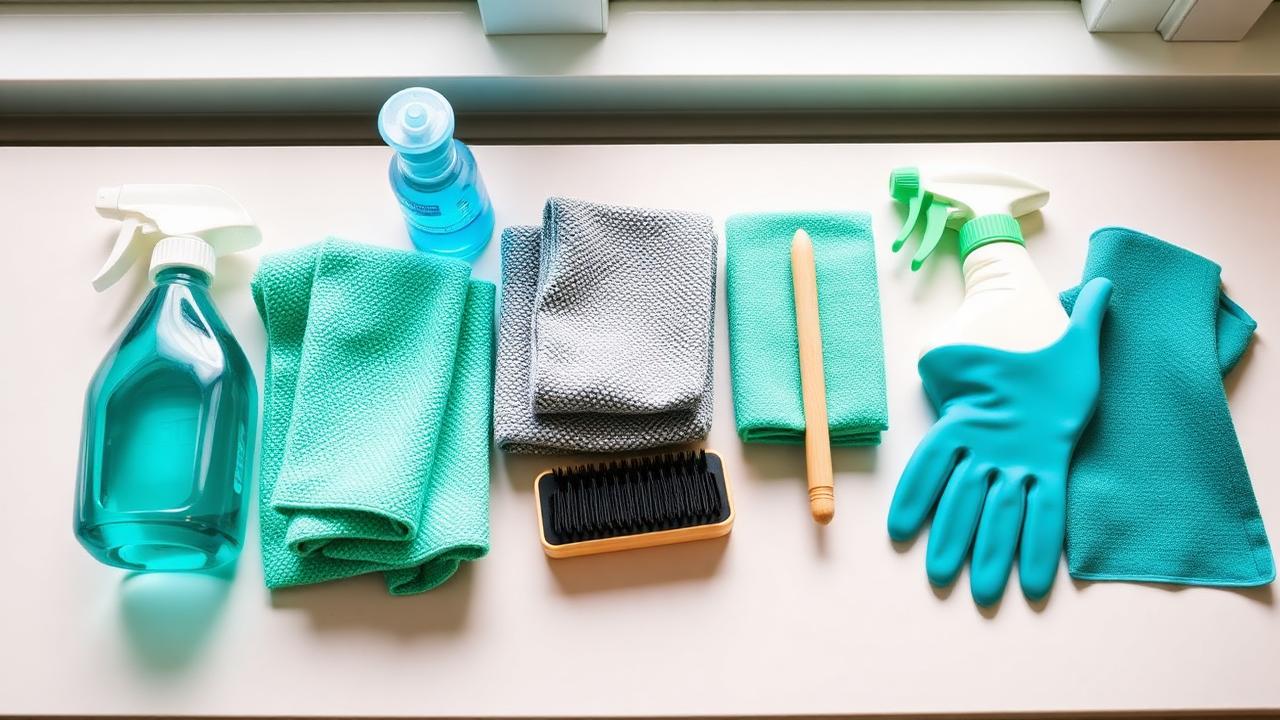
3. Define Explicit Cleaning Standards
Vague instructions like "clean the bathroom" cause the majority of roommate disputes because individuals have different baselines for cleanliness. Create a clear definition of what "done" means for major tasks.
- Kitchen Done Standard: The sink is empty of dishes, the basin is rinsed, the counters and stovetop are degreased and free of crumbs, and the trash can lid closes fully.
- Bathroom Done Standard: The toilet bowl is scrubbed with cleaner, the toilet seat and exterior base are wiped with disinfectant, the mirror is streak-free, the sink drain is cleared of hair, and the floor is swept and mopped.
- Living Room Done Standard: Shared tables are clear of personal clutter, throw blankets are folded, and the floor is vacuumed, including beneath coffee tables.
4. Manage Cleaning Supplies and Expenses
Chore schedules break down quickly if someone runs out of supplies and refuses to buy more. Establish a system for communal products at the beginning of your lease.
- Create a Shared Fund: Use an expense-splitting app like Splitwise or a dedicated shared account. Keep a rolling kitty of $30–$50 for essential items.
- Buy in Bulk: Purchase concentrated multi-surface cleaners, 1-gallon jugs of floor wash, and large packs of microfiber cloths from wholesale clubs. Diluting concentrates in 32 oz spray bottles cuts supply costs by over 50%.
- Color-Code Microfiber Cloths: Assign specific cloth colors to prevent cross-contamination (e.g., yellow for bathrooms, blue for glass, green for kitchen surfaces). Wash cloths in hot water (140°F) without fabric softeners, which ruin microfiber absorbency.
5. Track Chores and Build Accountability
Avoid passive-aggressive sticky notes by setting up transparent tracking systems that everyone agrees to check regularly.
Digital Chore Tools
Apps like Tody, Sweepy, or OurHome allow you to create recurring tasks, assign them to specific roommates, and send automatic push notifications when a chore is due. Shared Google Sheets or recurring reminders in Apple Reminders/Google Keep work equally well for tech-savvy households.
Physical Whiteboards
Mount an erasable chore board on the refrigerator or entryway wall. Use columns for "To Do," "In Progress," and "Done" with magnetic name tags. The high-visibility format provides immediate clarity on what has been completed each week.
6. Resolve Incomplete Chores Without Conflict
Life gets busy with exams, long work shifts, and travel. Build flexibility into your system to handle missed tasks without damaging your household relationships.
- The 24-Hour Grace Period: If a roommate cannot complete their weekly chore on the assigned day, allow a 24-hour window to finish it without comment.
- Chore Trading: Let roommates swap tasks or weeks explicitly in advance. If one roommate is out of town, they trade their bathroom duty for someone's future floor duty.
- The Buy-Out Option: If a roommate consistently lacks the time or desire to do manual chores, agree on a set fee (e.g., paying a professional service or paying a willing roommate $25–$35 per turn) to cover their share of the work.
Maintain Consistency for a Stress-Free Home
Splitting a house cleaning schedule with roommates comes down to clear expectations, realistic time estimates, and an agreed-upon rotation. Revisit your cleaning schedule every three to six months to make adjustments for changing work hours or lease renewals, ensuring your shared home stays clean and harmonious.
Cleneus is reader-supported. Pages carry display advertising and some outbound product links may earn us a commission, which never changes the methods we recommend. Read our disclosure.