How to Set Up a Biweekly House Cleaning Routine
Learn how to set up an efficient biweekly house cleaning routine. Get printable schedules, room-by-room checklists, time estimates, and product tips.
To set up a biweekly house cleaning routine, split your chores into two alternating biweekly cycles (Week A and Week B) anchored by a 15-minute daily reset. Every two weeks, tackle core maintenance tasks—such as scrubbing bathroom grout, washing bed linens at 140°F (60°C), dusting baseboards, and damp-mopping hard floors—while rotating deep-cleaning chores like cleaning behind large appliances or wiping down interior window panes.
Why a Biweekly Cleaning Schedule Works
A biweekly cleaning schedule strikes the ideal balance for busy households. Weekly cleaning often feels relentless, while monthly cleaning allows grime, soap scum, and allergens to build up to unmanageable levels. By spacing thorough cleans 14 days apart, you prevent dust buildup, protect surface finishes, and limit active cleaning time to a predictable 3- to 4-hour block every two weeks (or 30 to 45 minutes split across targeted days).
Step 1: Audit Your Home and Divide Tasks
Before creating a calendar, separate your chores by frequency. A successful biweekly system relies on keeping everyday clutter under control so your biweekly cleaning sessions focus purely on cleaning surfaces, not tidying up items.
- Daily Resets (5–15 minutes): Make beds, run the dishwasher, wipe kitchen counters with a microfiber cloth and warm water, squeegee shower glass after use.
- Biweekly Core Tasks (Every 14 days): Dust all surfaces top-to-bottom, vacuum carpets with a HEPA filter, mop hard floors, disinfect high-touch surfaces, scrub toilets, tubs, and sinks, and launder all bed sheets.
- Alternating Focus Tasks (Rotated every other cycle): Tackle secondary tasks on Week A (e.g., refrigerator interior, microwave deep-clean) and Week B (e.g., baseboards, ceiling fan blades, door frames).
Biweekly Cleaning Schedule: Week A vs. Week B
Use this reference table to structure your two-week cleaning framework without overloading any single session:
| Cleaning Category | Week A Focus | Week B Focus | Recommended Products & Tools |
|---|---|---|---|
| Kitchen | Wipe cabinet fronts, sanitize sinks, deep-clean microwave interior (5 min steam). | Wipe down oven exterior, clean out refrigerator crisper drawers, descaling coffee maker. | pH-neutral dish soap, baking soda, microfiber cloths, 5% white distilled vinegar. |
| Bathrooms | Scrub tile grout, disinfect toilets, polish mirrors, soak showerheads. | Wash shower curtains/liners, wash bath mats, wipe under vanity sinks. | Oxygen bleach paste, citric acid or vinegar descaler, EPA-registered disinfectant. |
| Bedrooms & Living | Launder sheets and pillowcases at 140°F, vacuum mattresses, dust high shelves. | Vacuum upholstery and under couch cushions, dust electronics and baseboards. | Extendable duster, HEPA vacuum with crevice tool, allergen-barrier laundry detergent. |
| Floors & Surfaces | Vacuum all carpets, edge baseboards, mop main traffic lanes. | Move light furniture to vacuum underneath, edge-to-edge damp mop with dual-bucket system. | Microfiber spin mop, neutral floor cleaner (1 tsp per 1 gallon warm water). |
Step 2: Room-by-Room Biweekly Execution Guide
1. Kitchen (45–60 Minutes)
Work from top to bottom. Start by dusting the tops of upper cabinets and the refrigerator. Steam clean the microwave by heating a bowl with 1 cup of water and 2 tablespoons of lemon juice for 5 minutes; let the steam loosen splatters, then wipe clean with a single swipe.
Clean stovetops using a degreaser or a paste of baking soda and water. Wipe down appliance facades with a dedicated stainless-steel cleaner or a damp microfiber cloth buffed dry with a waffle-weave towel. Finish by disinfecting the sink basin—allow an EPA-registered disinfectant cleaner to dwell for at least 5 to 10 minutes before rinsing to eliminate foodborne pathogens.
2. Bathrooms (30–45 Minutes)
Spray shower walls, tubs, and toilet bowls with your chosen bathroom cleaner and let the chemistry work for 10 minutes before scrubbing. For hard water buildup around faucets and glass doors, apply a 1:1 solution of white vinegar and warm water, scrub with a medium-nylon bristle brush, and rinse thoroughly.
Scrub the toilet inside and out, paying special attention to the base and hinge bolts where biological residue gathers. Launder bathroom rugs and replace hand towels. Mop the floor with a clean microfiber pad, starting from the furthest corner and working out the door.
3. Bedrooms and Living Spaces (45–60 Minutes)
Strip bed linens and wash them in hot water (at least 140°F / 60°C) to kill dust mites. While the laundry runs, use an electrostatic microfiber duster to clean ceiling fan blades, light fixtures, picture frames, and window sills.
Use a vacuum with an upholstery attachment on fabric couches and chairs. Vacuum hard floors and carpets using slow, overlapping strokes to allow the brush roll and suction to pull embedded debris from fibers.
Step 3: Choose Your Workflow Method
Homeowners generally succeed with one of two scheduling structures. Choose the one that matches your energy and lifestyle:
- The Weekend Block (Single-Day Method): Dedicate 3 to 3.5 hours on an alternating Saturday or Sunday morning. Move methodically from room to room using a cleaning caddy so you never retrace steps.
- The 3-Day Split (Distributed Method): Spread the biweekly tasks across three weekdays during cleaning week (e.g., Tuesday: Bathrooms; Wednesday: Bedrooms & Dusting; Thursday: Kitchen & Floors), spending 35 to 45 minutes per session.
Essential Cleaning Supply Kit
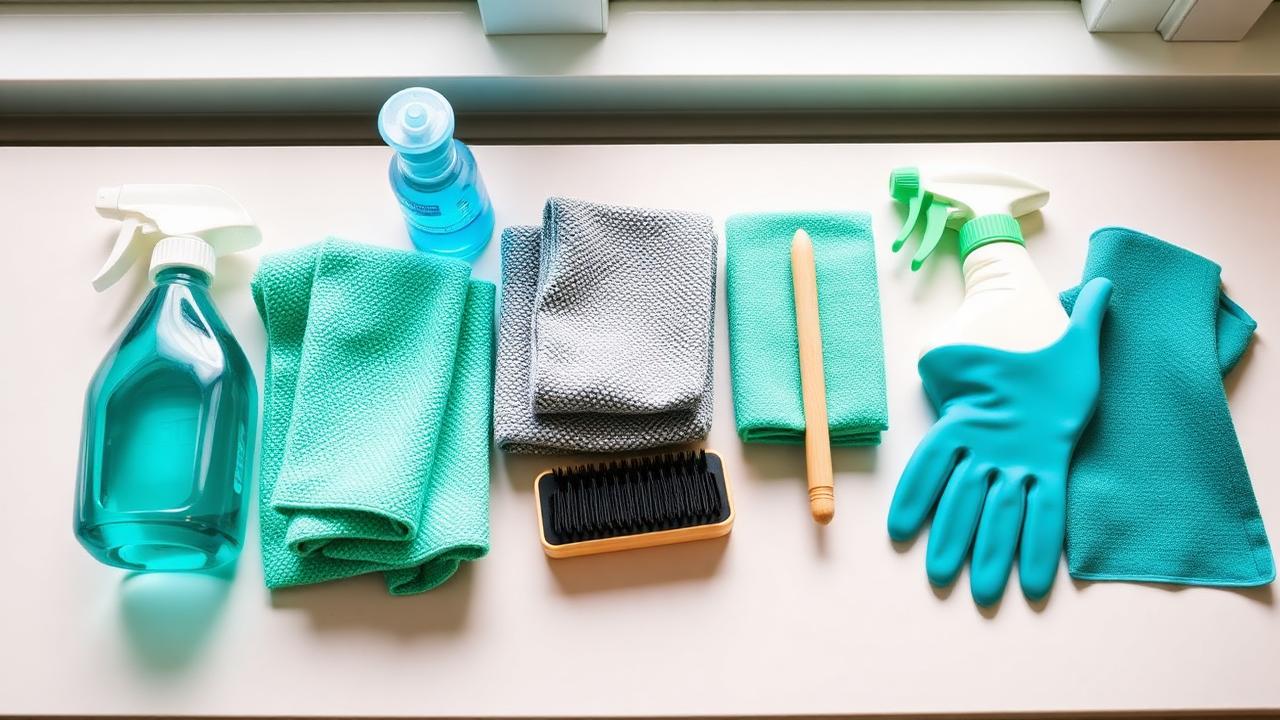
Keep your cleaning supplies grouped in a portable caddy to cut down on transit time between rooms:
- Color-Coded Microfiber Cloths: Blue for glass/mirrors, yellow for dusting, green for kitchen, red for bathroom sanitation.
- pH-Neutral All-Purpose Cleaner: Safe for sealed stone, laminate, and painted woodwork.
- Mineral Descaler: 5% acidity white vinegar or a dedicated 5% citric acid solution for limescale.
- Abrasive Scrub Pads & Detail Brushes: Non-scratch scouring pads and an old toothbrush for fixtures and tracks.
- Floor System: A HEPA-filtered vacuum and a flat or spin microfiber mop with two buckets (one for clean wash solution, one for dirty rinse water).
Maintaining Consistency
If you fall behind by a few days, do not abandon the schedule. Complete the critical wet areas (kitchen and bathrooms) and vacuum the high-traffic zones, then resume your standard biweekly rotation on your next scheduled date. A predictable biweekly cleaning routine keeps your home clean, healthy, and manageable without consuming your weekends.
Cleneus is reader-supported. Pages carry display advertising and some outbound product links may earn us a commission, which never changes the methods we recommend. Read our disclosure.