
Best Vacuum Head Attachment for Delicate Wood Floors: Complete Guide
Discover the best vacuum head attachment for delicate wood floors. Learn which bristle types, soft rollers, and designs protect hardwood from scratches.
The best vacuum head attachment for delicate wood floors is a dedicated horsehair parquet brush tool or a microfiber soft roller head. Unlike standard multi-surface nozzles that rely on abrasive nylon bristles or hard plastic wheels, premium hardwood attachments utilize soft natural bristles (measuring 0.75 to 1 inch in length) or ultra-soft woven microfiber to capture fine dust without micro-scratching soft pine, unsealed timber, oiled oak, or high-gloss polyurethane finishes.
Why Standard Vacuum Heads Scratch Delicate Hardwood
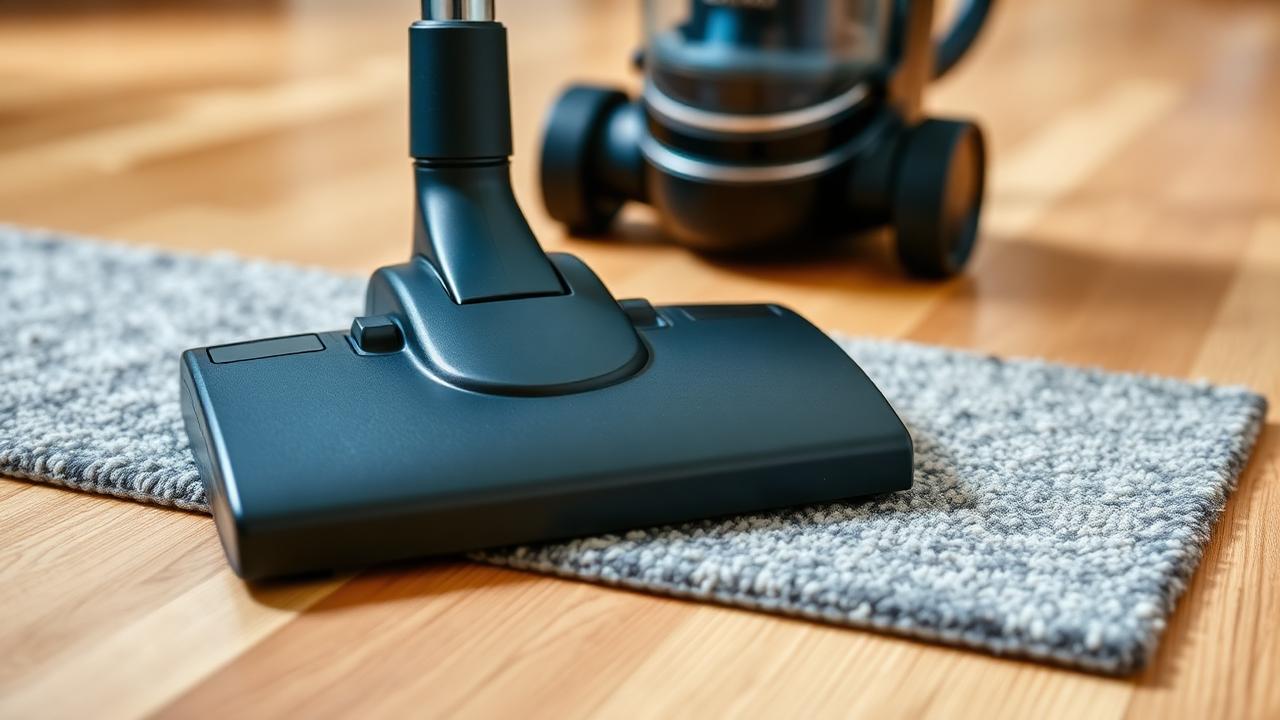
Most upright and canister vacuums come equipped with combination heads or motorized brush rolls designed for carpet. Using these on soft or high-gloss wood floors introduces serious risks:
- Stiff Rotating Beater Bars: Motorized nylon bristles spin at 1,000 to 3,000 RPM. On a delicate wood floor, this high-speed friction buffs away wax, strips protective sealants, and leaves cloudy swirl marks.
- Hard Plastic Wheels: Budget vacuum heads use rigid plastic casters that trap fine grit, silica sand, and small pebbles underneath. As you push the vacuum, the trapped grit acts like 80-grit sandpaper against the wood grain.
- Direct Plastic Baseplates: Without a dense cushion of bristles, the bottom plastic housing can bottom out and scrape against floorboards, particularly on uneven or hand-scraped planks.
The Top Vacuum Head Attachment Styles for Hardwood
1. Natural Horsehair Parquet Floor Brush
Natural horsehair is the gold standard for fragile hardwood surfaces. Horsehair filaments are softer than synthetic nylon and naturally split at the ends, allowing them to dust the surface while maintaining enough structure to channel debris into the suction path. Look for models featuring dual bristle rows with front cutouts (castellations) to let larger debris through without pushing it forward.
2. Fluffy Microfiber Roller Heads
Popularized by modern cordless vacuums, soft roller heads feature a motorized cylinder covered in plush woven nylon and anti-static carbon fiber filaments. The soft fabric envelopes large debris (like cereal or pet kibble) and lifts fine dust simultaneously. Because the entire width of the head is wrapped in soft textile, there is zero risk of bare plastic touching the floor.
3. Felt-Padded Bare Floor Tools
Designed for canister vacuums, these heads combine short, dense natural bristles with wide felt strips along the glides. Felt provides smooth sliding action across high-gloss finishes and engineered hardwood, preventing friction chatter and reducing suction seal against the floor.
Key Features to Evaluate Before Buying
- Universal Fit vs. Brand-Specific Adapters: Check your vacuum wand's outer diameter. Standard canister wands measure either 1.25 inches (32 mm) or 1.375 inches (35 mm). Ensure the attachment includes a friction-fit collar or the appropriate adapter for your specific brand.
- Rubberized or Felt-Lined Wheels: If the tool has wheels, verify they are made of soft thermoplastic elastomer (TPE) or non-marking vulcanized rubber. Avoid hard PVC or ABS plastic wheels.
- Articulating Swivel Neck: A 180-degree to 360-degree swivel joint keeps the attachment completely flat against the floor, even when vacuuming under low-profile furniture (under 4 inches of clearance). This prevents the edge of the head from lifting and scraping the floor with its hard corners.
- Suction Relief Valve: High-suction vacuums can create a vacuum seal against smooth floorboards, pulling the tool down hard enough to cause scuffing. A manual bleed valve on the handle or attachment prevents this suction lock.
Attachment Comparison for Wood Floor Types
| Attachment Type | Contact Material | Best For | Scratch Risk Level | Debris Pickup Size |
|---|---|---|---|---|
| Horsehair Parquet Tool | 100% Natural Horsehair | High-Gloss Polyurethane, Oiled Oak, Antique Pine | Extremely Low | Fine dust, pet hair, small crumbs (<6 mm) |
| Fluffy Soft Roller | Microfiber & Carbon Fiber | Engineered Wood, Matte Hardwood, Bamboo | Extremely Low | Fine dust to large debris (up to 15 mm) |
| Combination Floor Head (Brush Deployed) | Synthetic Polypropylene | Standard Oak, Durable Laminate | Moderate | Medium debris (up to 8 mm) |
| Felt-Strip Hardwood Tool | Felt Pads + Horsehair | Softwoods (Fir, Pine), Parquet, Chevron | Extremely Low | Fine to medium dust (<6 mm) |
| Standard Carpet Head (Brush Off) | Plastic Glides | Not recommended for delicate wood | High | Variable |
Maintenance Tips to Prevent Floor Scratches
Even the softest attachment can damage wood if it is not properly maintained. Follow these preventative steps:
- Inspect Wheels and Bristles Every 2 to 3 Uses: Turn the attachment over and pull out tangled pet hair, thread, or small pebbles embedded in the bristle clusters or wheel axles.
- Wash Microfiber Rollers Regularly: Remove the soft roller and wash it in cold water (maximum 30°C / 86°F) with a mild detergent every 4 to 6 weeks. Air-dry completely for 24 hours before reinstalling.
- Comb the Horsehair: Use a wide-tooth plastic comb to remove matted lint from natural horsehair brushes to maintain proper airflow and dusting efficiency.
- Replace Worn Attachments: If natural bristles wear down to less than 0.375 inches (9.5 mm), the plastic underside may contact the wood. Replace the floor tool immediately.
Best Vacuuming Technique for Delicate Floors
To maximize protection, set your vacuum's suction power to medium. Vacuum along the length of the wood planks rather than across the seams; this prevents bristles from catching on slightly raised plank edges. Work in overlapping, linear passes at a moderate pace (roughly 1 to 2 feet per second), allowing the natural bristles to lift dust gently into the airflow path without excessive downward pressure.
Conclusion
Protecting delicate wood floors requires moving away from multi-surface compromise tools. Investing in a natural horsehair parquet brush or a dedicated soft microfiber roller guarantees that only soft, non-abrasive fibers make contact with your flooring. Check your wand diameter (32 mm or 35 mm), inspect the bristles regularly for trapped grit, and keep suction moderate for a pristine, scratch-free finish.
Cleneus is reader-supported. Pages carry display advertising and some outbound product links may earn us a commission, which never changes the methods we recommend. Read our disclosure.