The Best Way to Dust Your Home: A Complete Guide for Surfaces and Fabrics
Discover the best way to dust your home using top-to-bottom techniques, microfiber tools, and smart fabric laundry routines to eliminate dust for good.
The best way to dust your home is to work from the highest surfaces down to the floor using a damp microfiber cloth, followed by laundering dust-trapping fabrics and vacuuming with a HEPA filter. Dust consists of dead skin cells, pet dander, outdoor pollen, and fabric fibers. Using dry feather dusters simply pushes these particles into the air, where they settle right back down onto your furniture and textiles. By combining electrostatic dusting tools with consistent laundry care for your curtains, upholstery, and bedding, you can drastically reduce dust buildup and improve your indoor air quality.
Why Household Fabrics Are Dust Magnets
Many homeowners overlook the connection between household fabrics and dust accumulation. In fact, soft furnishings are both a primary source of dust and its favorite hiding spot. Every time you sit on a sofa, pull back your drapes, or walk across a rug, tiny textile fibers break down and release dust into the room. At the same time, these fabrics absorb floating debris from the air.
- Bedding and pillows collect microscopic skin flakes and dust mites every night.
- Curtains act as vertical air filters, catching dust circulating near windows and HVAC vents.
- Throw pillows, fleece blankets, and fabric slipcovers trap pet hair, dander, and airborne particles.
- Rugs and carpet fibers store settling debris until foot traffic kicks it back into circulation.
Essential Tools for an Effective Dusting Routine
Using the right tools prevents dust from becoming airborne while you clean. Traditional feather dusters or dry cotton rags scatter debris, whereas modern cleaning tools hold onto particles until you wash them away.
- Microfiber cloths: The split fibers create a natural static charge that attracts and locks in dust.
- Extendable microfiber wands: Ideal for high ceiling fans, crown molding, and top door frames.
- HEPA-filtered vacuum cleaner: Essential for capturing tiny particulates without blowing them back into the room.
- Upholstery and brush attachments: Designed to pull embedded dust out of woven textiles without damaging delicate weaves.
- Lint rollers: Fast and effective for removing surface dust and hair from lampshades and velvet cushions.
- Gentle laundry detergent: Formulated to release dust, dirt, and allergens from washable textiles without leaving residue.
Step-by-Step: The Best Way to Dust Your Home
Following a deliberate sequence guarantees that you do not undo your hard work by knocking dust onto freshly cleaned surfaces below.
- Start at the very top: Begin with ceiling fans, light fixtures, crown molding, and upper curtain rods using an extendable duster.
- Refresh your window treatments: Shake out drapes gently, vacuum them from top to bottom using an upholstery brush, or take down washable curtains to run through the laundry cycle.
- Wipe mid-level hard surfaces: Use a slightly damp microfiber cloth on bookshelves, mantels, picture frames, and tabletops. Dampness traps dust instantly without smearing.
- Treat soft furnishings and upholstery: Remove sofa cushions, vacuum all crevices, and run a lint roller or rubber squeegee over textured fabric to lift stubborn hair and lint.
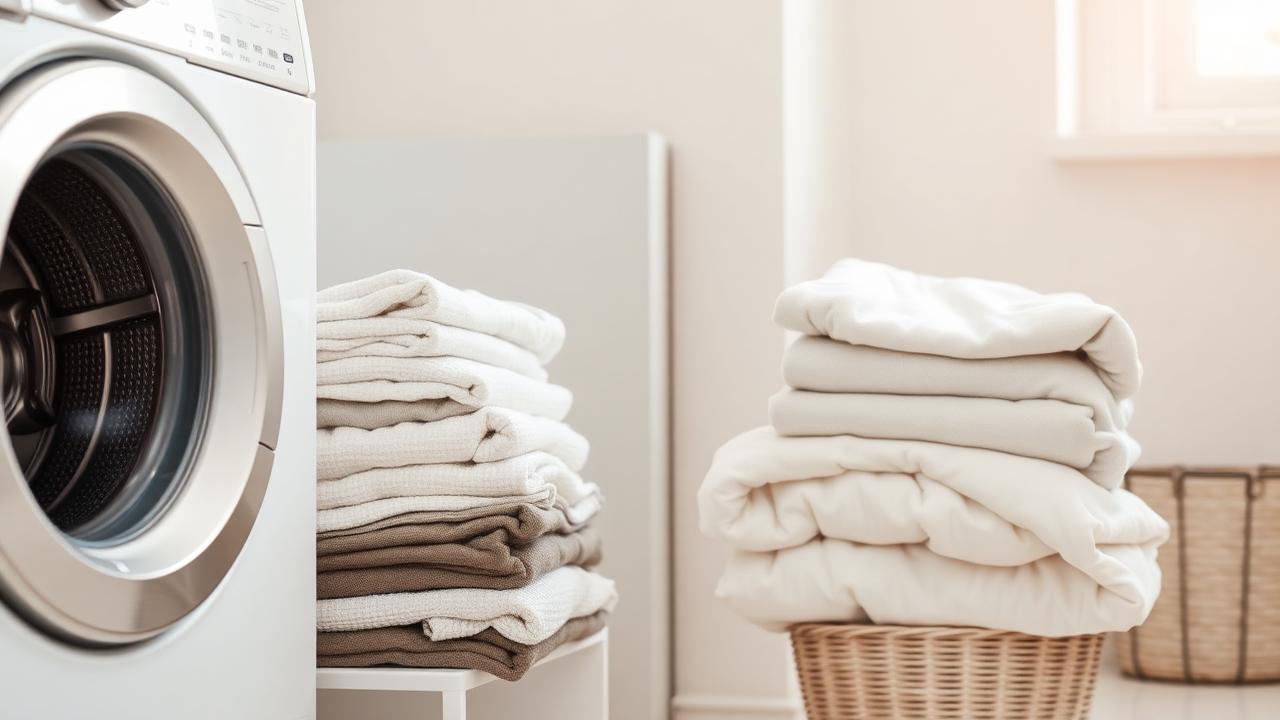
- Launder decorative textiles: Gather throw blankets, pillow covers, and small accent rugs to wash according to their care labels.
- Clean baseboards and trim: Wipe down baseboards, door frames, and floor vents with a damp cloth.
- Finish with the floors: Always vacuum or mop your floors last to capture every stray dust bunny that fell during the cleaning process.
How to Wash and Care for Dusting Cloths
Your dusting routine is only as clean as the cloths you use. If you wash microfiber cloths incorrectly, their fibers will clog, destroying the static charge that grabs dust so effectively.
- Rinse cloths under warm running water immediately after heavy dusting to remove loose grit.
- Wash microfiber cloths separately from lint-producing items like terrycloth towels, cotton t-shirts, or flannel sheets.
- Use a mild liquid detergent that is free of dyes and heavy perfumes.
- Never use fabric softener or dryer sheets, as the conditioning agents coat the microfibers and ruin their absorbency and static cling.
- Air dry your cloths on a drying rack or tumble dry on low heat without heat-activated laundry sheets.
Establishing a Fabric Laundry Schedule to Prevent Dust
Dusting hard surfaces is only half the battle. Establishing a consistent laundry routine for your home textiles stops dust at its source before it scatters across your furniture.
- Weekly: Wash bed sheets, duvet covers, pillowcases, and frequently used pet blankets in warm or hot water to kill dust mites.
- Bi-weekly: Launder sofa throw blankets, decorative throw pillow covers, and entryway runner rugs.
- Monthly: Wash or steam-clean heavy window curtains, fabric shower liners, and mattress protectors.
- Seasonally: Deep-clean upholstered furniture, wash down comforters, and have heavy area rugs professionally cleaned or beaten outdoors.
Common Dusting Mistakes to Avoid
Avoiding a few common cleaning traps will save you time and keep your home cleaner for longer periods.
- Dusting with a bone-dry cloth: A completely dry cloth simply sweeps particles into the air. A light mist of water or specialized fabric spray keeps dust trapped.
- Spraying cleaning products directly on furniture: This creates a sticky film that attracts more dust over time. Always spray your cloth first, then wipe.
- Ignoring air vents and registers: Dirty HVAC return vents blow trapped dust back across clean rooms every time the system turns on.
- Vacuuming before dusting: Dust always falls downward. If you vacuum first, falling dust from tables and shelves will resoil your clean carpets.
Maintain a Dust-Free Home with Consistent Habits
The best way to dust your home combines a logical top-to-bottom strategy with regular textile maintenance. By swapping out outdated feather dusters for damp microfiber cloths, vacuuming upholstery with HEPA filtration, and keeping household fabrics on a regular wash schedule, you eliminate dust at its origin. Incorporate these steps into your regular cleaning routine to enjoy a fresher, cleaner, and healthier home environment.
Cleneus is reader-supported. Pages carry display advertising and some outbound product links may earn us a commission, which never changes the methods we recommend. Read our disclosure.