Can You Use a Steam Mop on Laminate Floors? Safe Cleaning Guide
Find out why steam mops damage laminate floors, what happens to the planks, and the best safe cleaning alternatives with step-by-step methods.
You should not use a steam mop on laminate floors. While steam mops are effective at sanitizing tile and stone, the combination of pressurized moisture and high heat—typically reaching between 200°F and 250°F (93°C to 121°C)—forces vapor deep into the micro-joints between laminate planks. This moisture penetrates the high-density fiberboard (HDF) core, causing swelling, warping, bubbling, and edge peeling that cannot be reversed. Furthermore, almost every major flooring manufacturer explicitly states that steam mopping voids your laminate warranty.
Why Steam Mops Damage Laminate Flooring
Laminate flooring is constructed in layers: a transparent wear layer on top, a decorative photographic layer, an inner core made of compressed wood fibers (HDF or MDF), and a stabilizing backing layer. Understanding how these materials react to heat and moisture explains why steam is so destructive.
- Hydrothermal Expansion: The core of standard laminate consists of compressed wood byproduct. When subjected to steam, the fiber core absorbs moisture at a rapid rate, swelling past its original dimensions.
- Joint Infiltration: Even tightly locked click-lock planks have microscopic gaps along their seams. Pressurized steam bypasses the water-resistant surface coating and drives hot vapor straight into these seams.
- Delamination: The adhesive bonds holding the protective wear layer and the decorative image to the core break down under sustained temperatures above 140°F (60°C), resulting in peeling, bubbling, and top-layer separation.
- Finish Hazing: Heat can alter the chemical composition of the wear layer resin, leaving behind milky, cloudy streaks or dull patches that surface cleaners cannot buff out.
- Warranty Voidance: Manufacturers such as Pergo, Mohawk, Shaw, and Quick-Step include explicit clauses excluding damage caused by steam cleaners, wet mopping, or excessive heat.
Laminate Floor Cleaning Methods Compared
Choosing the right maintenance tool preserves the structural integrity and aesthetic finish of your laminate. The table below outlines how common floor cleaning tools perform on laminate surfaces.
| Cleaning Method | Moisture Level | Heat Applied | Risk of Damage | Drying Time | Safety Rating |
|---|---|---|---|---|---|
| Steam Mop | High (Pressurized Vapor) | 200°F – 250°F | Severe (Swelling, Warping) | 1 – 2 minutes | Unsafe (0/5) |
| Traditional String Mop | Extreme (Standing Water) | None (Warm/Cool) | Severe (Joint Seepage) | 5 – 15 minutes | Unsafe (1/5) |
| Damp Microfiber Mop | Very Low (Mist) | None (Ambient) | Minimal to None | 30 – 60 seconds | Safe (5/5) |
| Spray Mop (Laminate Cleaner) | Controlled / Low | None (Ambient) | None | Under 45 seconds | Safe (5/5) |
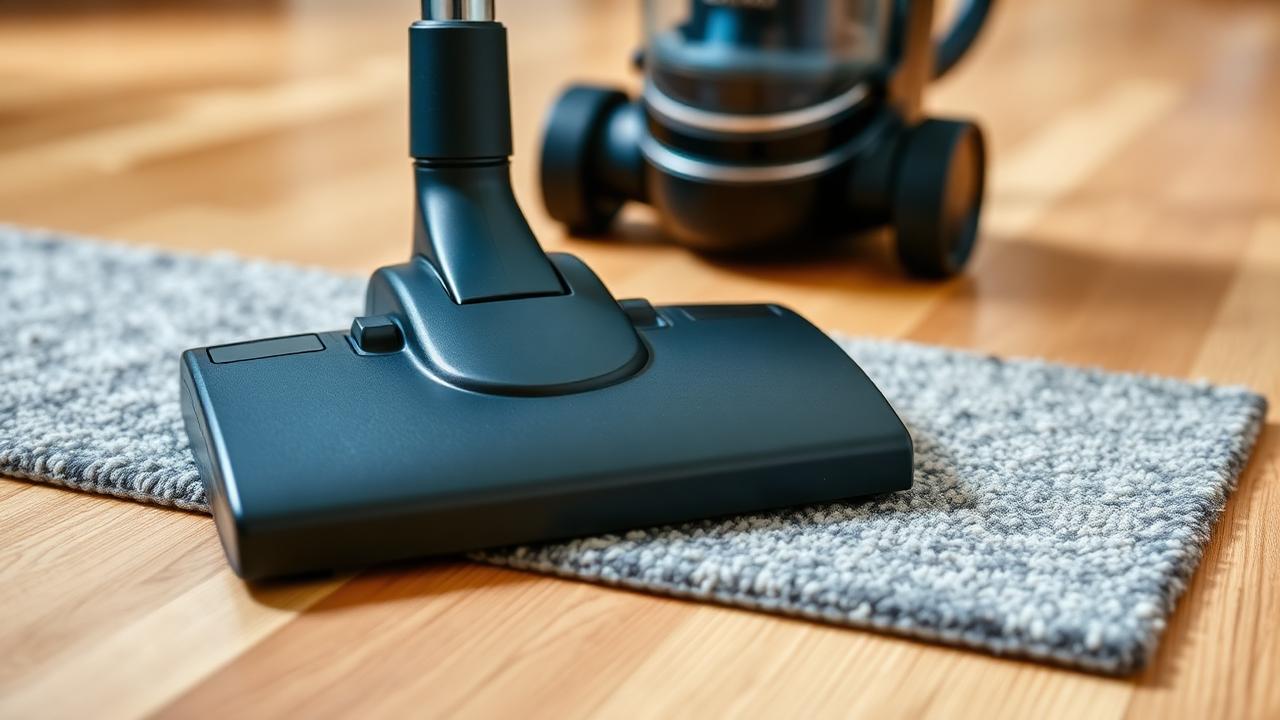
| Hard-Floor Vacuum | None (Dry) | None | Low (If brush roll is off) | Instant | Safe (5/5) |
What Happens If You Already Used a Steam Mop?
If you have used a steam mop once or twice, you may not notice immediate destruction, but damage often develops over 24 to 72 hours. Look for the following warning signs:
- Peaking: The edges where two planks meet push upward into raised ridges due to core expansion.
- Cupping: The edges of individual planks curl upward while the center sinks down.
- Milky Residue: A cloudy film appears across the surface that cannot be removed with a dry cloth.
- Hollow Sounds: Planks lift slightly from the subfloor, creating a spongy or squeaky feel when stepped on.
Emergency Triage: If you just steam-mopped your floor, immediately run dry microfiber towels across the entire area, apply downward pressure over seams, turn on ceiling fans, and run a dehumidifier set to 35%–40% relative humidity for 24 hours to draw out trapped moisture.
How to Safely Clean Laminate Floors (Step-by-Step)
To keep laminate floors spotless and hygienic without risking structural damage, follow this proven low-moisture routine.
Step 1: Remove Dry Grit Daily to Weekly
Abrasive dirt and pet hair scratch the polyurethane wear layer over time. Use a vacuum set to “hard floor” mode (which disengages the rotating beater bar) or a dry electrostatic microfiber sweeper. Sweep along the direction of the planks to pull debris out of the micro-bevels.
Step 2: Prepare a pH-Neutral Solution
Avoid harsh chemicals, ammonia, bleach, or wax-based polishes. Use a dedicated pH-neutral (pH 6.5–7.5) commercial laminate cleaner, or mix this DIY solution in a 32-ounce spray bottle:
- 16 oz distilled water (prevents mineral spotting)
- 14 oz 70% isopropyl rubbing alcohol (accelerates evaporation)
- 2 oz distilled white vinegar (cuts grease)
- 3 drops mild, clear dish soap (suspends dirt)
Step 3: Lightly Mist the Floor
Never pour or pool liquid on laminate. Lightly mist a 4-foot by 4-foot section. The floor should look damp, not wet. If you see beads of liquid forming pools, you have applied too much solution.
Step 4: Wipe with a Flat Microfiber Mop
Glide a flat microfiber pad over the misted area using overlapping “S” motions. Microfiber features millions of split synthetic fibers that mechanically lift bacteria, grease, and dirt without requiring high heat or excessive friction.
Step 5: Dry Buff if Necessary
If moisture remains visible after 60 seconds, run a secondary, dry microfiber cloth over the area to buff the surface to a streak-free shine.
Safe Tools and Products to Replace Your Steam Mop
Transitioning away from steam does not mean sacrificing cleaning power. These tested tools provide effective sanitization and soil removal safely:
- Microfiber Spray Mops: Tools like the Bona Premium Spray Mop or O-Cedar ProMist MAX deliver a controlled, uniform spray pattern and feature washable microfiber pads.
- Canister Vacuums with Soft Parquet Brushes: Units featuring natural horsehair bristles prevent micro-scratches on delicate gloss or matte laminate finishes.
- Isopropyl Alcohol-Based Cleaners: Quick-evaporating formulas break down oily residues and sanitize without leaving moisture on the subfloor.
- 70% Isopropyl Alcohol Spot Treatments: For sticky messes, apply a small amount of rubbing alcohol directly to a microfiber cloth and rub gently for 10 seconds.
Frequently Asked Questions
Can you use a steam mop on waterproof laminate flooring?
Even on 100% waterproof laminate, steam mopping is not recommended unless explicitly approved in writing by the manufacturer. While the top surface and core may resist liquid water spills, pressurized steam can compromise the locking mechanisms, penetrate the perimeter expansion gaps, and degrade the underlayment beneath the planks.
How do you sanitize laminate floors without steam?
You can sanitize laminate floors using a solution of 70% isopropyl alcohol diluted 1:1 with distilled water. Lightly mist the solution onto the floor and wipe with a microfiber pad. The alcohol kills 99.9% of surface germs and evaporates within 30 to 45 seconds, eliminating the risk of water damage.
Can you fix laminate planks swollen from steam damage?
Minor swelling may reduce slightly if dried immediately with a dehumidifier, but severe damage—such as delamination, peaked edges, or broken click-lock joints—is permanent. The affected planks must be uninstalled and replaced with new planks from your attic stock.
Why do some steam mop brands claim they are safe for laminate?
Steam mop manufacturers often advertise “laminate safe” features (such as low-steam settings) to market to a broader audience. However, flooring manufacturers, who honor the actual flooring warranties, almost universally prohibit steam cleaning. In a dispute, flooring manufacturers will deny your claim if steam cleaning is detected.
Cleneus is reader-supported. Pages carry display advertising and some outbound product links may earn us a commission, which never changes the methods we recommend. Read our disclosure.