
How to Declutter and Clean Room Fast: A Timed Step-by-Step Guide
Learn how to declutter and clean a room fast with this timed 45-minute protocol. Step-by-step checklists, methods, and schedules for busy homeowners.
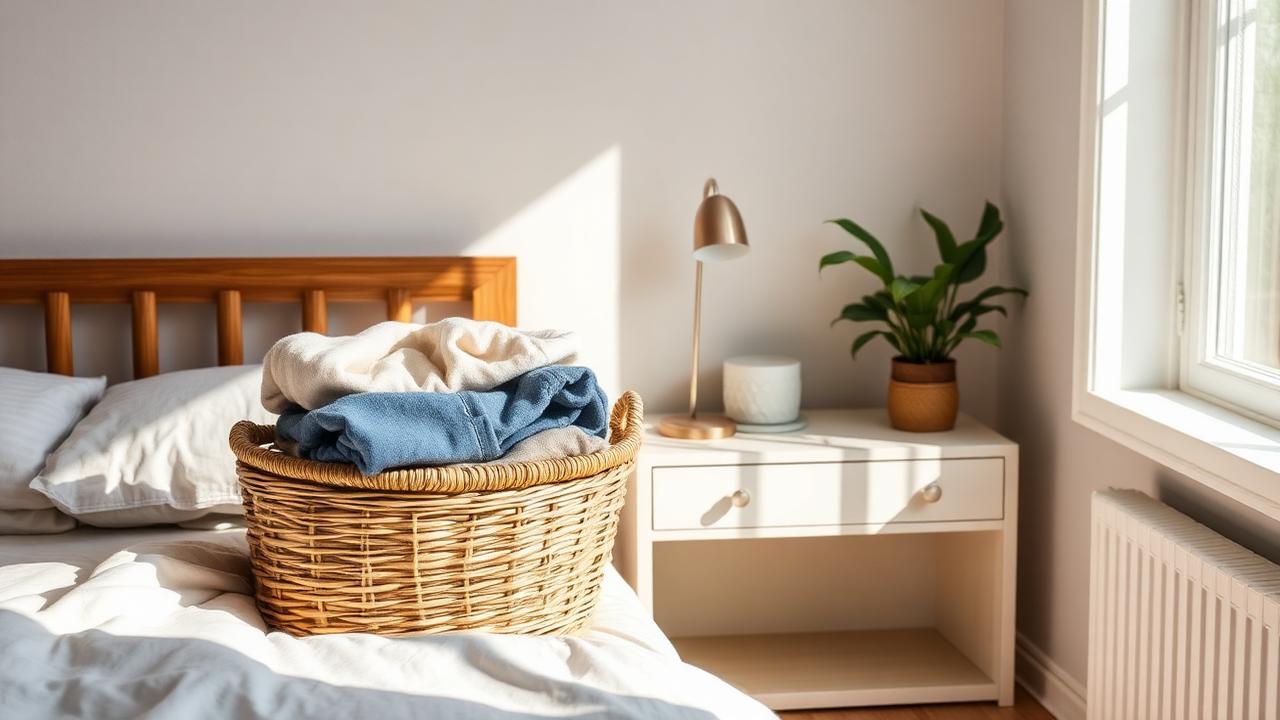
The fastest way to declutter and clean a room is to use the 45-Minute Blitz Method: complete one specific task across the entire space before moving to the next. By separating decluttering (removing items that do not belong) from cleaning (sanitizing surfaces and floors), you eliminate backtracking and can reset any bedroom, home office, or living room in under an hour.
The 45-Minute Room Reset Schedule
When you need to clean a messy room on a tight deadline, working with a strict time-block schedule prevents distraction and decision fatigue. Set a timer on your phone for each stage:
- Minutes 0:00–0:05 (5 mins): Trash, recycling, and dish removal.
- Minutes 0:05–0:15 (10 mins): The 2-basket sorting method for misplaced items.
- Minutes 0:15–0:20 (5 mins): Resetting flat anchor surfaces (making the bed or clearing the central table).
- Minutes 0:20–0:32 (12 mins): High-to-low dusting and surface wiping.
- Minutes 0:32–0:42 (10 mins): Vacuuming or sweeping and damp mopping.
- Minutes 0:42–0:45 (3 mins): Final air freshening and empty basket distribution.
Essential Supplies Checklist
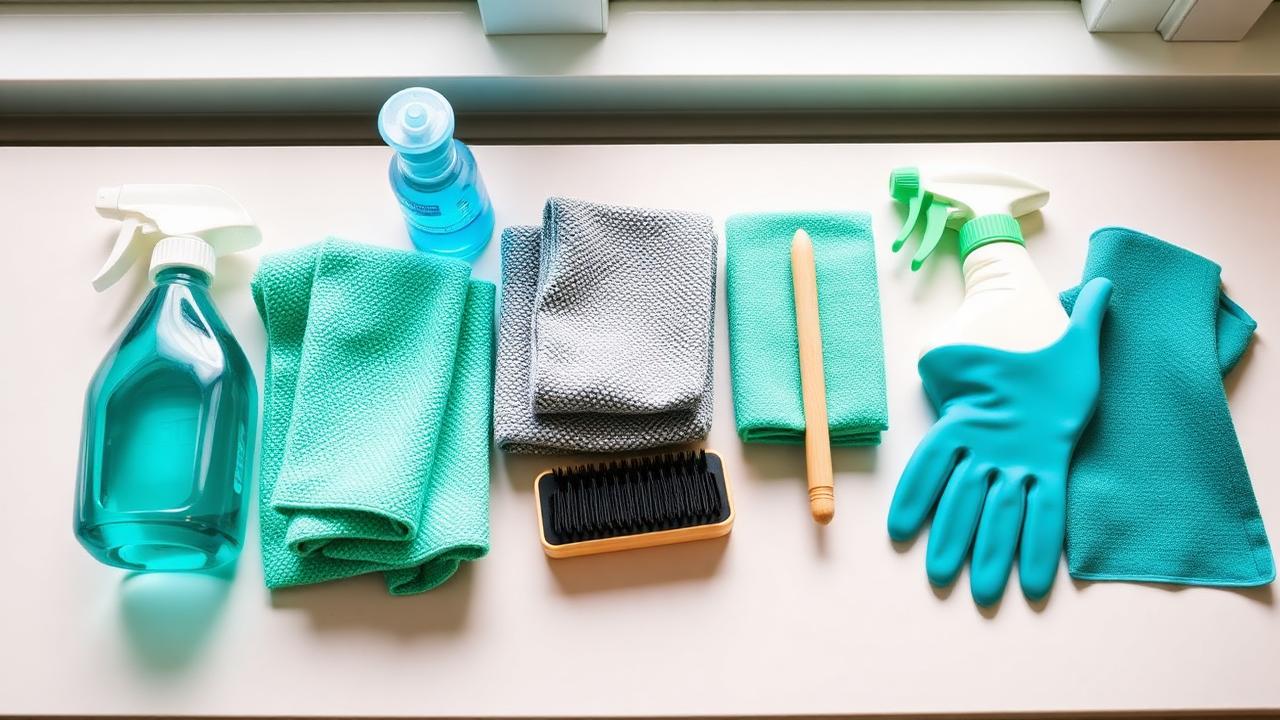
Gather all tools before starting. Running back and forth to the supply closet drains time and focus. Place these items in a portable caddy inside the room:
- Heavy-duty 13-gallon trash bag: For wrappers, tags, broken items, and dry waste.
- Two laundry hampers or plastic bins: One for dirty laundry, one for "relocation" items belonging in other rooms.
- Two 16x16-inch microfiber cloths: One dry for dusting, one damp for surface cleaning.
- Multi-surface spray: A neutral pH all-purpose cleaner formulated for wood, laminate, and painted surfaces.
- Glass cleaner: For mirrors and window panes.
- Vacuum cleaner: Fitted with a HEPA filter and crevice tool, or a microfiber flat mop for hard surfaces.
Step-by-Step Fast Cleaning Protocol
Step 1: Strip the Room of Trash and Dishes (5 Minutes)
Begin at the doorway and move clockwise around the perimeter. Carry a trash bag in one hand. Discard food wrappers, shipping boxes, scrap paper, and expired items. Pick up dirty cups, mugs, and plates and place them directly in the kitchen sink or dishwasher. Do not wash them yet; return immediately to the room.
Step 2: Execute the Two-Basket Sort (10 Minutes)
Clutter consists largely of items out of place. Place two bins in the center of the floor:
- Basket 1 (Laundry): Toss in dirty clothes, stray socks, towels, and blankets.
- Basket 2 (Relocation): Place items that belong in the bathroom, kitchen, garage, or another bedroom (e.g., mail, toys, tools, charging cables).
Do not leave the room to put these items away right now. Keep sorting until the floor and furniture tops are clear of out-of-place objects.
Step 3: Anchor the Space (5 Minutes)
In a bedroom, make the bed. Pull the fitted sheet tight, shake out the duvet, and align the pillows. In a living room, fluff the couch cushions and fold the throw blanket. A neat center anchor immediately tricks the brain into seeing a clean, organized room, building momentum for the remaining cleaning steps.
Step 4: Top-to-Bottom Dusting and Surface Cleaning (12 Minutes)
Always clean from ceiling to floor so falling debris lands on uncleaned surfaces. Mist a microfiber cloth with multi-surface spray—do not spray directly onto wooden furniture to prevent liquid pooling and product build-up.
- Wipe down high surfaces first: ceiling fan blades, headboards, and shelving tops.
- Clean mid-level surfaces: nightstands, desks, and dressers. Lift items rather than wiping around them.
- Wipe touchpoints: doorknobs, light switch plates, and remote controls.
- Use glass cleaner and a fresh microfiber cloth on mirrors to remove fingerprints and smudges.
Step 5: Rapid Floor Care (10 Minutes)
Start in the farthest corner of the room and back your way out toward the exit door.
- Carpet/Rugs: Vacuum high-traffic paths first, making overlapping passes at a moderate pace to allow the brush roll to agitate fibers.
- Hardwood/Laminate/Tile: Sweep or dry-vacuum baseboards and corners, then run a damp microfiber mop across the floor using warm water (approx. 110°F) mixed with 1 teaspoon of floor cleaner per gallon.
Step 6: The 3-Minute Exit Routine
Take the relocation basket and walk through the house, dropping items into their proper rooms without stopping to organize those rooms. Return the laundry hamper to the laundry area, empty the trash bag into your main bin, and spray a light linen mist or open a window for fresh ventilation.
Decluttering Methods: Speed and Efficiency Compared
| Decluttering Method | Best Suited For | Average Time | Process |
|---|---|---|---|
| Basket Blitz | Daily mess, quick guest prep | 10–15 minutes | Sweep all loose items into baskets to sort after floors/surfaces are cleaned. |
| 4-Box Method | Deep decluttering, seasonal clear-outs | 60–90 minutes | Categorize every single item into Keep, Donate, Trash, or Relocate. |
| Surface-First | High-anxiety, visual overwhelm | 20–30 minutes | Clear flat surfaces only (desks, counters, beds) to establish visual calm fast. |
| 12-12-12 Rule | Gradual room downsizing | 15 minutes | Find 12 items to throw away, 12 to donate, and 12 to put back in place. |
Daily Maintenance Schedule to Keep Rooms Clean
To avoid spending 45 minutes on deep resets every week, implement this 5-minute daily maintenance routine before going to sleep:
- Nightly 60-Second Pick-Up: Hang up clean clothes or drop worn garments into the hamper. Never let clothing hit chairs or floors.
- Clear Surface Rule: Keep nightstands and coffee tables limited to no more than two items (e.g., a lamp and a book).
- One-In, One-Out Policy: Whenever a new item enters the room (clothing, book, decor), remove an older item to keep storage volume static.
By pairing focused time limits with a structured top-to-bottom workflow, you can declutter and clean any room fast without wasting energy or succumbing to cleaning fatigue.
Cleneus is reader-supported. Pages carry display advertising and some outbound product links may earn us a commission, which never changes the methods we recommend. Read our disclosure.