Does Damp Dusting Prevent Airborne Allergies Better Than Dry Dusting?
Learn why damp dusting prevents airborne allergy flare-ups better than dry dusting, how moisture traps allergens, and the best techniques to clear dust safely.
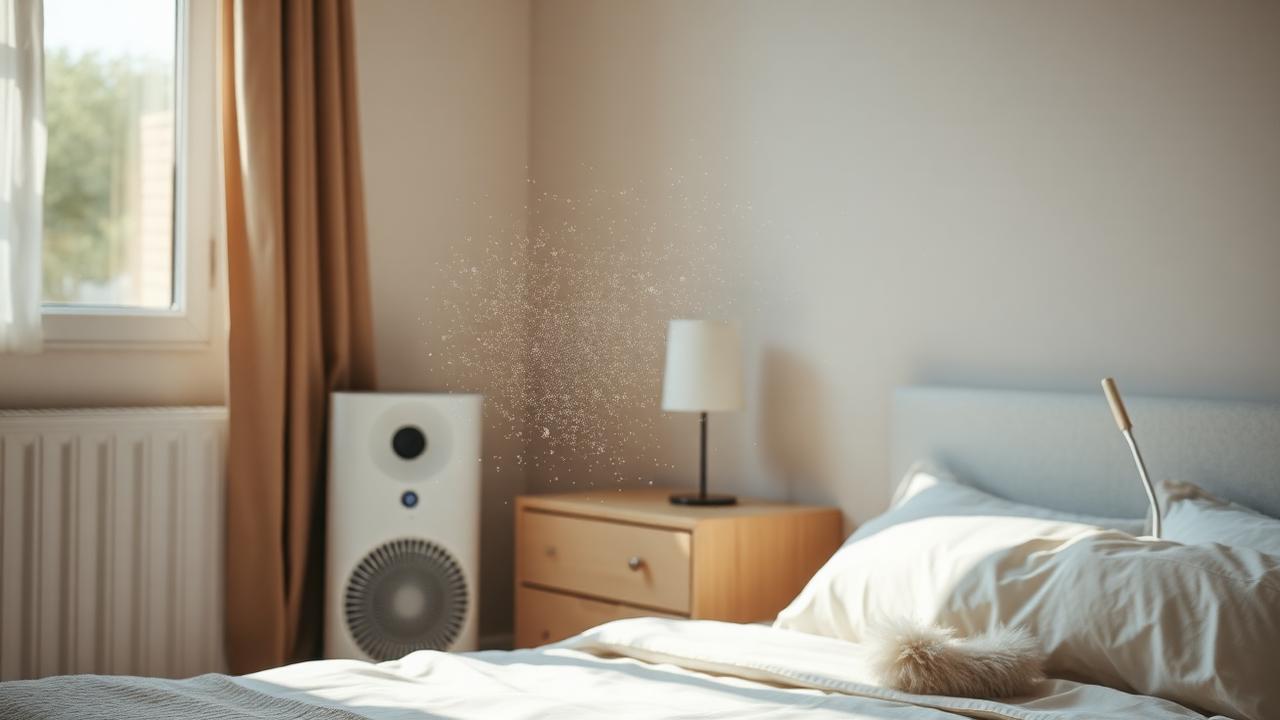
Yes, damp dusting prevents airborne allergies significantly better than dry dusting. While traditional dry dusting using feather dusters or dry rags sweeps settled allergens back into the air where they remain suspended for up to 4 hours, damp dusting uses moisture and surface tension to trap particulate matter—including dust mite waste, pet dander, and mold spores—directly into the cloth fibers without aerosolizing them.
The Science of Dust Disturbance: Why Dry Dusting Fails Allergy Sufferers
Household dust is not simply dirt; it is a complex biological mixture composed of sloughed skin cells, dust mite fragments and fecal pellets (measuring 10 to 40 microns), pet dander (2.5 to 10 microns), pollen grains, and fungal spores. When left undisturbed on baseboards, shelving, and furniture, these particles remain dormant.
Dry dusting creates static friction and turbulent airflow that breaks the weak bond between the dust and the surface. Instead of capturing the debris, tools like traditional feather dusters or dry cotton rags push between 50% and 80% of fine particles into the surrounding air column. These microscopic allergens fall within the PM2.5 to PM10 inhalable particulate range. Once airborne, they enter the nasal passages and bronchial tubes, triggering allergic rhinitis, ocular irritation, and asthma exacerbations.
How Damp Dusting Traps and Removes Allergens
Damp dusting introduces a microscopic layer of liquid that changes the mechanical interaction between the cleaning cloth and the dust particles:
- Capillary Action and Cohesion: Water molecules bind to the porous structures of dust mites, dander, and plant debris. The liquid creates cohesive capillary forces that draw the particles into the weave of the cleaning cloth and hold them there.
- Elimination of Static Dispersion: Dry wiping creates static electricity that often repels lightweight allergens off the rag and into the air. Moisture neutralizes static charges, keeping the particles bonded to the wipe.
- High-Efficiency Removal: When paired with split-structure microfiber, damp cleaning removes over 95% of microbial and allergen loads from non-porous surfaces in a single pass without re-circulating particles into your breathing zone.
Dry Dusting vs. Damp Dusting: Direct Comparison
Understanding the mechanical differences between dry and damp techniques clarifies why healthcare and allergy organizations recommend moist cleaning methods.
| Feature / Metric | Dry Dusting (Feather Duster / Dry Rag) | Damp Dusting (Damp Microfiber Cloth) |
|---|---|---|
| Allergen Capture Rate | Low (20% to 40% captured; rest scattered) | High (90% to 99% captured on contact) |
| Airborne Suspension Time | Particles stay suspended for 30 minutes to 4 hours | Near zero; particles remain trapped in the cloth |
| Tool Efficiency | Aerosolizes fine PM2.5 and PM10 particles | Traps microscopic allergens inside split fibers |
| Surface Protection | Dry debris can abrade and scratch wood finishes | Lubricated wipe lifts grit safely |
| Post-Cleaning Air Quality | Sharp spike in indoor particulate count | Indoor particulate count remains baseline or drops |
| Cross-Contamination Risk | High; dust falls onto floors and lower furniture | Low; folded cloth sequesters grime until washed |
Best Practices for Damp Dusting to Minimize Allergens
To eliminate allergens without damaging household surfaces or encouraging mold growth, follow this systematic approach.
1. Choose the Right Cloth and Fiber Density
Avoid standard cotton towels, which have loose, round fibers that drop particles. Instead, use split microfiber cloths rated at 300 GSM (grams per square meter) or higher. Split microfiber features wedge-shaped polyester and polyamide strands that act like microscopic hooks to grab allergen particles.
2. Master the Moisture Level
The cloth should be damp, not soaking wet. Excess water can damage natural wood veneers and leave behind moisture pools that support dust mite colonies or mold spores.
- Fill a spray bottle with plain tap water or distilled water.
- Mist the microfiber cloth with 2 to 3 spritzes from a distance of 8 inches.
- Alternatively, submerge the cloth, then wring it out completely until no water drips when squeezed tightly.
3. Use the Eight-Sided Folding Technique
Fold your microfiber cloth in half, then in half again to create an eight-sided cleaning tool. Wipe in a single, straight direction rather than circular swirls. When one side accumulates visible grime, flip to a clean face. This prevents wiping captured dander and mite debris back onto clean surfaces.
4. Clean from Top to Bottom
Always work downward by room level: start with ceiling fan blades, crown molding, and high shelves, then move down to picture frames, tabletops, baseboards, and finally the floor. Any heavy particles that do drop will land on surfaces yet to be cleaned.
5. Wash Dusting Cloths at Sanitizing Temperatures
Rinsing cloths in cold sink water leaves dust mite allergens intact. Wash dirty microfiber cloths in a washing machine using laundry detergent at a minimum water temperature of 130°F (54.4°C). This heat level denatures the Der p 1 and Der f 1 proteins found in dust mite fecal matter and kills live mites.
Pairing Damp Dusting with Vacuuming
Dusting and vacuuming should be coordinated to prevent allergy flare-ups. Always damp dust before running your vacuum cleaner, allowing roughly 15 minutes between tasks for any stray particles to settle. When vacuuming, always use a machine equipped with a sealed HEPA (High-Efficiency Particulate Air) filter certified to trap 99.97% of particles down to 0.3 microns, preventing the exhaust from re-contaminating the room you just wiped down.
Summary
Damp dusting with a properly moistened microfiber cloth is distinctly superior to dry dusting for controlling indoor allergy triggers. By locking allergens into damp fibers rather than scattering them into the breathing zone, damp wiping prevents post-cleaning sneezing, congestion, and asthma attacks while keeping surfaces cleaner for longer.
Cleneus is reader-supported. Pages carry display advertising and some outbound product links may earn us a commission, which never changes the methods we recommend. Read our disclosure.