DIY Eco-Friendly Cleaning Products: 6 Non-Toxic Recipes That Work
Make powerful DIY eco-friendly cleaning products with simple pantry ingredients. Step-by-step recipes, exact ratios, safety rules, and surface guides.
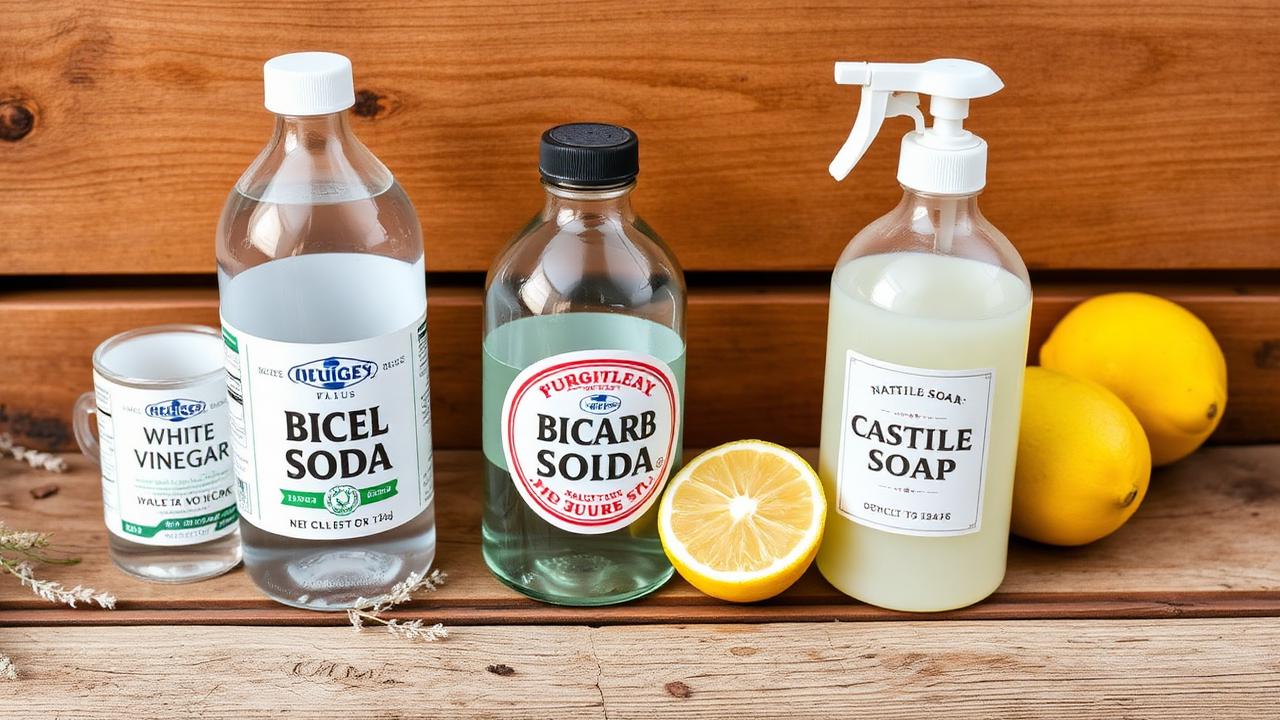
Making eco-friendly cleaning products DIY at home requires just six staple ingredients: 5% distilled white vinegar, sodium bicarbonate (baking soda), liquid Castile soap, 3% hydrogen peroxide, washing soda (sodium carbonate), and distilled water. By combining these naturally derived, biodegradable bases in precise ratios, you can replace synthetic surfactants, phthalate-heavy fragrances, and harsh chlorine bleaches with cost-effective alternatives that eliminate grease, dissolve mineral deposits, and sanitize surfaces without degrading indoor air quality.
The Core Ingredients and Tools You Need
Before mixing your natural cleaners, assemble the appropriate raw materials and storage containers. Using distilled water rather than tap water prevents bacterial growth and mineral clouding in your solutions, extending shelf life significantly.
- Distilled White Vinegar (5% Acidity): A natural mild acid that dissolves alkaline mineral deposits, hard water stains, soap scum, and light grease.
- Baking Soda (Sodium Bicarbonate): A mild alkaline abrasive (pH ~8.3) that lifts grime, deodorizes, and cuts grease without scratching delicate finishes.
- Washing Soda (Sodium Carbonate): A stronger alkaline base (pH ~11) that emulsifies heavy grease, strips oil, and softens water.
- Liquid Castile Soap: A vegetable-oil-based surfactant (typically olive, coconut, or hemp oil) that binds to dirt and lifts particles from surfaces.
- 3% Hydrogen Peroxide: An oxygen-based bleaching and sanitizing agent that breaks down into water and oxygen after reacting.
- 16-Ounce Amber Glass Spray Bottles: Glass prevents essential oils from degrading plastic and stops UV light from breaking down hydrogen peroxide and active citrus oils.
- Microfiber Cloths (300+ GSM): Traps dirt and microbial matter mechanically without requiring heavy chemical action.
6 Tested DIY Eco-Friendly Cleaning Product Recipes
1. All-Purpose Citrus Surface Cleaner
This daily spray cuts through dust, kitchen grease, and bathroom grime on non-porous, acid-safe surfaces.
- Ingredients: 1 cup (240 ml) distilled water, 1 cup (240 ml) 5% distilled white vinegar, 15 drops sweet orange or lemon essential oil.
- Method: Pour distilled water and vinegar into a 16-ounce glass spray bottle using a funnel. Add the essential oil. Cap with a trigger sprayer and shake vigorously for 10 seconds.
- Application: Mist directly onto laminate countertops, ceramic tile, stainless steel, or porcelain. Let sit for 60 to 90 seconds to break down surface oils, then wipe clean with a dry microfiber cloth.
- Precaution: Do not use on natural stone such as granite, marble, limestone, or travertine.
2. Stone-Safe Multi-Surface Cleaner
Natural stone requires a neutral-pH cleaner to prevent etching and dulling of protective sealants.
- Ingredients: 1.75 cups (420 ml) distilled water, 2 tablespoons (30 ml) unscented liquid Castile soap, 10 drops lavender or tea tree essential oil.
- Method: Pour the distilled water into the spray bottle first to minimize foaming, then add the Castile soap and essential oil. Swirl gently for 15 seconds to combine.
- Application: Spray lightly over quartz, sealed granite, polished marble, or tile. Wipe away immediately with a clean, damp microfiber cloth, followed by a dry cloth to prevent soap-film buildup.
3. Streak-Free Glass and Window Cleaner
Commercial glass sprays often rely on ammonia, which irritates respiratory tracts. This alcohol-vinegar blend evaporates rapidly to leave zero residue.
- Ingredients: 1 cup (240 ml) distilled water, 0.5 cup (120 ml) 5% distilled white vinegar, 0.5 cup (120 ml) 70% isopropyl alcohol, 5 drops peppermint essential oil.
- Method: Combine all liquids in a 16-ounce spray bottle and shake briefly.
- Application: Lightly mist glass or mirrors from a distance of 10 to 12 inches. Wipe using an 'S' motion with a flat-weave microfiber glass cloth or lint-free huck towel.
4. Heavy-Duty Tub and Tile Scouring Paste
Soap scum and grout discoloration need mechanical agitation paired with an effervescent lifting agent.
- Ingredients: 0.75 cup (180 g) baking soda, 0.25 cup (60 ml) liquid Castile soap, 1 tablespoon (15 ml) 3% hydrogen peroxide.
- Method: In a small bowl, stir the baking soda and Castile soap together with a fork until a smooth paste forms. Gently fold in the hydrogen peroxide just before use.
- Application: Apply the paste with a non-scratch scrub sponge or nylon grout brush. Allow the mixture to dwell on porcelain or ceramic surfaces for 10 minutes, scrub in circular motions, and rinse clean with warm water (105°F to 115°F).
5. Natural Hardwood Floor Wash
Wood flooring requires a non-stripping, quick-drying formula that preserves polyurethane and wax topcoats.
- Ingredients: 1 gallon (3.8 L) warm water (around 100°F), 0.25 cup (60 ml) 5% distilled white vinegar, 1 tablespoon (15 ml) plant glycerin, 5 drops cedarwood essential oil.
- Method: Combine ingredients in a standard mop bucket.
- Application: Submerge a microfiber flat mop into the solution, wring it thoroughly until barely damp, and mop in the direction of the wood grain. Do not allow excess liquid to pool on plank seams.
6. Deep-Cleaning Toilet Bowl Sanitizer
Mineral rings and bacteria require an acid-base two-step protocol rather than pre-mixing components in a bottle.
- Ingredients: 0.5 cup (120 g) baking soda, 1 cup (240 ml) undiluted 5% white vinegar, 10 drops tea tree essential oil.
- Method: Sprinkle baking soda directly onto the interior bowl walls and into the standing water. Add tea tree oil to the vinegar, then pour around the rim.
- Application: Allow the foaming reaction to sit for 15 to 20 minutes. Scrub thoroughly under the rim and below the waterline with a stiff-bristle toilet brush, then flush twice.
DIY Cleaning Formulation Guide
| Cleaner Type | Key Active Base | Target Surfaces | Contact Time | Shelf Life |
|---|---|---|---|---|
| Citrus All-Purpose | 5% Distilled Vinegar | Laminate, porcelain, chrome, stainless steel | 1–2 minutes | 6 months |
| Stone-Safe Spray | Liquid Castile Soap | Granite, marble, quartz, concrete | 30–60 seconds | 3 months |
| Streak-Free Glass | Isopropyl Alcohol & Vinegar | Mirrors, windows, display screens | Instant wipe | 12 months |
| Deep Scouring Paste | Baking Soda & Peroxide | Grout lines, cast iron sinks, ceramic tubs | 10 minutes | Single use (mix fresh) |
| Hardwood Floor Wash | Dilute Vinegar & Glycerin | Sealed hardwood, engineered planks | Damp mop only | Use immediately |
| Toilet Sanitizer | Baking Soda & Vinegar Reaction | Porcelain toilet bowls, urinals | 15–20 minutes | Use immediately |
Crucial Safety Rules: Chemical Interactions to Avoid
Just because an ingredient is natural or plant-derived does not mean it can be combined indiscriminately. Follow these fundamental safety rules when formulating your eco-friendly products:
- Never Combine Vinegar and Bleach: Mixing an acid with sodium hypochlorite creates toxic chlorine gas, which causes severe respiratory damage and mucous membrane irritation.
- Do Not Mix Hydrogen Peroxide and Vinegar in the Same Bottle: Combining these two chemicals in a sealed container creates peracetic acid. This corrosive compound can irritate the skin, eyes, and lungs. You can use them sequentially on a surface, but never store them premixed.
- Do Not Mix Castile Soap Directly with Vinegar: Vinegar's acid breaks down the saponified oils in Castile soap, turning the mixture into a curdled, oily sludge that leaves a greasy film on surfaces. Always use them in separate cleaning steps (e.g., wash with Castile soap, rinse with a dilute vinegar solution).
- Store Peroxide in Opaque Bottles: Hydrogen peroxide loses its extra oxygen molecule and converts into plain water when exposed to light. Always store it in its original dark container or an amber glass bottle.
Proper Storage and Shelf Life Best Practices
Homemade cleaners lack commercial synthetic preservatives like parabens or phenoxyethanol. To prevent bacterial contamination and potency loss:
- Always use distilled or boiled-and-cooled water; municipal tap water contains minerals, chlorine, and trace organic matter that shorten recipe longevity.
- Label every bottle with the exact formula, date mixed, and surface restrictions.
- Store solutions in a cool, dark cabinet away from direct sunlight and ambient temperatures exceeding 75°F (24°C).
- Discard any water-based solution containing Castile soap or plant oils if you detect a rancid odor, separation that does not reintegrate after shaking, or color change.
Frequently Asked Questions
Do DIY eco-friendly cleaners disinfect against viruses and bacteria?
Standard vinegar and baking soda solutions clean and reduce bacterial loads significantly, but they are not certified broad-spectrum disinfectants. To sanitize non-porous surfaces against pathogens, apply full-strength 3% hydrogen peroxide or 70% isopropyl alcohol and allow the surface to remain wet for a full 10-minute contact time before wiping.
Why does my Castile soap spray leave a cloudy residue?
Castile soap leaves a film if used with hard tap water or at too high a concentration. The free minerals in hard water bond with the vegetable oils in the soap to create insoluble curd. Switch to distilled water, reduce the soap ratio to 1 tablespoon per 2 cups of water, and buff the surface dry with a microfiber towel.
Can I use essential oils around household pets?
Many essential oils—including tea tree, eucalyptus, citrus oils, wintergreen, and pine—are toxic to cats and dogs if ingested, inhaled in high concentrations, or absorbed through paw pads. If you have pets, omit essential oils entirely from your recipes or consult your veterinarian before incorporating them.
How do I naturally remove hard water scale from showerheads?
Fill a small plastic or silicone bag with undiluted 5% distilled white vinegar. Submerge the showerhead into the liquid and secure the bag with a heavy-duty rubber band. Allow the mineral deposits to dissolve for 2 to 4 hours (limit to 30 minutes for brass or nickel finishes), remove the bag, and scrub nozzles with an old toothbrush before running hot water.
Cleneus is reader-supported. Pages carry display advertising and some outbound product links may earn us a commission, which never changes the methods we recommend. Read our disclosure.