
How to Get Chocolate Stains Out of a Microfiber Couch Without Water Marks
Remove chocolate stains from your microfiber couch without leaving water rings. Step-by-step guide using rubbing alcohol and dish soap.
To get chocolate stains out of a microfiber couch without leaving water marks, gently scrape away excess solids with a dull butter knife, then treat the fabric with 70% isopropyl rubbing alcohol or a drop of clear liquid dish soap mixed into 1 cup of room-temperature distilled water. Blot the stain from the outside inward using a white microfiber cloth, feather the damp perimeter outward to blend the wet edge into the dry fabric, and dry the spot immediately using a hair dryer on the cool setting before brushing the fibers with a soft-bristled brush to restore the texture.
Understanding Microfiber Cleaning Codes
Before applying any cleaning agent to your sofa, locate the fabric care tag underneath the couch frame or beneath the seat cushions. Microfiber couches use distinct cleaning codes that dictate how the synthetic polyester and polyamide fibers react to moisture and solvents:
- Code W (Water-Based Cleaners): Safe for water-based detergents, distilled water solutions, and steam. Tap water should still be avoided due to mineral deposits that create discoloration rings.
- Code S (Solvent-Based Cleaners): Requires water-free solvents such as 70% or 91% isopropyl alcohol or dry-cleaning fluids. Applying water to Code S microfiber causes fiber shrinkage and dark, permanent water rings.
- Code S/W (Solvent or Water): Compatible with both mild water-based solutions and alcohol solvents. Solvents remain the safer option to prevent halos.
- Code X (Vacuum Only): Do not apply liquids or solvents. Clean only by vacuuming with a soft upholstery brush or consulting a professional upholstery restoration specialist.
Essential Tools and Materials
Gather these specific supplies before beginning the stain removal process:
- 1 dull butter knife, spoon edge, or plastic scraper
- 1 clean spray bottle
- 70% isopropyl rubbing alcohol (for Code S and S/W fabrics)
- 1 teaspoon clear, bleach-free dish soap (e.g., Dawn Free & Clear)
- 1 cup room-temperature distilled water (for Code W fabrics)
- 3 to 4 lint-free white microfiber towels
- 1 hair dryer with a cool air setting
- 1 clean, soft-bristled nylon brush or white suede brush
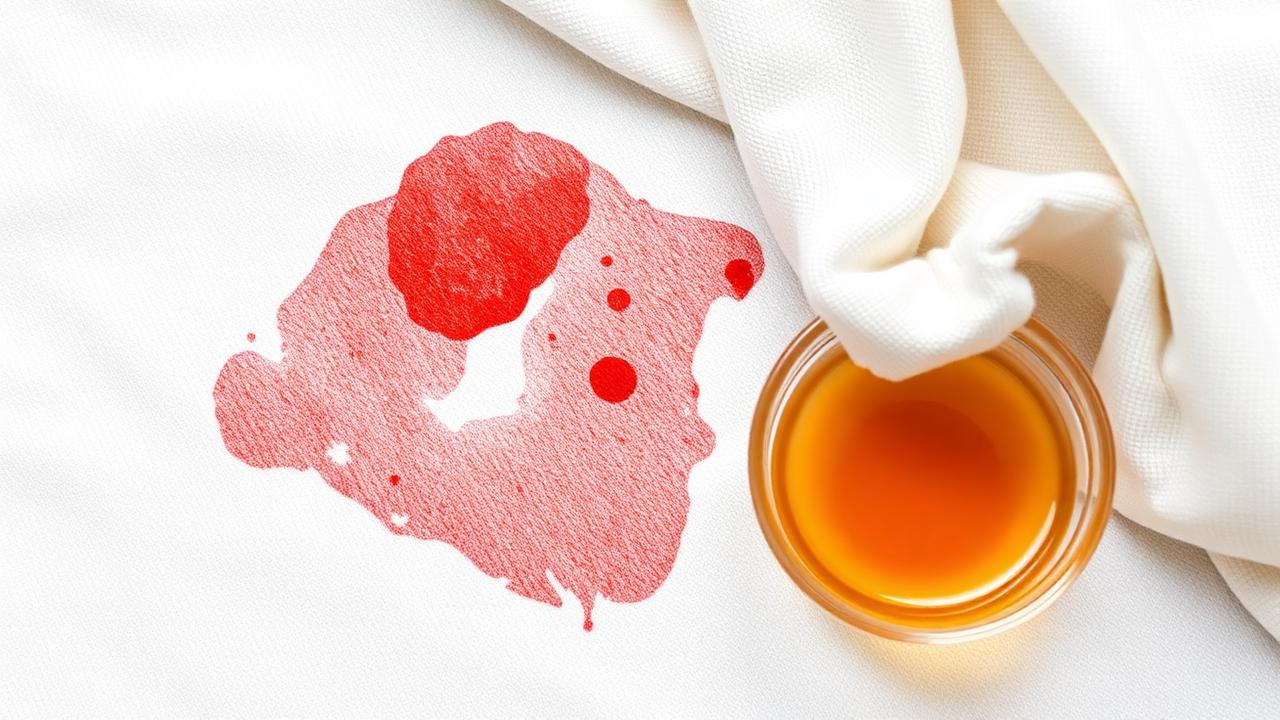
Step-by-Step Chocolate Stain Removal Protocol
Step 1: Scrape and Remove Solid Residue
If the chocolate is fresh and soft, place an ice cube inside a sealed plastic bag and hold it against the stain for 3 minutes to harden the fats. Once solid, take a dull butter knife or plastic scraper held at a 30-degree angle and gently scrape the crust away from the upholstery. Vacuum the crumb debris immediately with your vacuum's hose attachment so the dry chocolate particles do not melt back into the sofa fibers.
Step 2: Mix and Test Your Solvent
For Code S and S/W couches, pour undiluted 70% isopropyl alcohol directly into your spray bottle. For Code W couches, mix 1 teaspoon of clear dish soap into 1 cup of distilled water until completely dissolved. Perform a spot test on an inconspicuous section of the sofa, such as the lower rear panel. Apply a small mist, wait 5 minutes, and blot with a white towel to confirm no dye transfer occurs.
Step 3: Apply the Solution Sparingly
Never saturate microfiber. Lightly mist the stained area from a distance of 6 to 8 inches, using 2 to 3 spritzes of your chosen cleaning agent. Microfiber consists of microscopic split fibers that trap liquid quickly; light surface application prevents liquid from penetrating the polyurethane foam cushion underneath, which is the primary cause of moisture rings and mold.
Step 4: Blot from the Outside Inward
Take a clean, dry white microfiber towel and press it firmly into the stain. Hold pressure for 10 seconds to allow the cloth to wick up the cocoa fats and sugars. Always blot from the outer perimeter of the stain toward the center. Rubbing or wiping across the fabric spreads the chocolate lipids deeper into the weave and shears the delicate microfiber pile.
Step 5: Feather the Edges
To prevent the noticeable water line that occurs when a damp circle dries against dry fabric, "feather" the boundary. Lightly mist a clean towel with rubbing alcohol or distilled water and tap the outer borders of the wet patch, tapering outward in expanding circles. This creates a gradual moisture gradient rather than a sharp boundary line.
Step 6: Force-Dry with Cool Air
Natural air-drying allows gravity to pull mineral residues to the edge of the damp zone. Prevent this by holding a hair dryer set strictly on "Cool" roughly 4 inches away from the treated area. Move the air stream continuously in small circular motions for 60 to 90 seconds until the fabric is completely dry to the touch.
Step 7: Reset the Microfiber Nap
Cleaning agents can leave microfiber feeling stiff or crusty once dry. Take a clean, dry nylon-bristled brush or a soft toothbrush and brush the fibers in small, circular motions, followed by sweeping upward strokes. This realigns the polyester nap and restores the velvet-like softness of the couch.
Microfiber Cleaning Solutions Comparison
| Cleaning Agent | Target Couch Code | Drying Speed | Water Mark Risk | Best Used For |
|---|---|---|---|---|
| 70% Isopropyl Alcohol | Code S, Code S/W | Fast (2–3 minutes) | Very Low | Dark chocolate, oily milk chocolate, general grease |
| Distilled Water + Dish Soap | Code W, Code S/W | Moderate (10–15 minutes) | Low (if distilled) | Sugary chocolate syrups, cocoa beverage spills |
| Tap Water + Detergent | Not Recommended | Slow (20+ minutes) | Very High | None (minerals leave visible hard water rings) |
| White Vinegar (50/50 Dilution) | Code W | Moderate (8–10 minutes) | Low to Moderate | Set-in chocolate stains and odor neutralization |
Why Water Marks Form on Microfiber (And How to Avoid Them)
Microfiber is woven from ultra-fine synthetic threads, each finer than a strand of silk. When water containing dissolved minerals (calcium, magnesium, chlorine) evaporates from these dense fibers, the minerals cannot evaporate; they migrate to the outer edge of the wet circle and crystallize as the moisture recedes, leaving a distinct, dark halo.
To permanently avoid water rings:
- Never use tap water: Always use bottled distilled water or rubbing alcohol.
- Never soak the backing: Keep moisture restricted to the top surface layer of fabric.
- Eliminate defined wet borders: Feather the damp edges outward with a dry cloth.
- Accelerate evaporation: Use a fan or cool hair dryer rather than letting the spot air-dry overnight.
Frequently Asked Questions
Can baking soda remove chocolate from a microfiber couch?
Baking soda works well as a dry absorption step for fresh, greasy chocolate stains. Sprinkle dry baking soda directly over the freshly scraped stain, allow it to sit for 20 minutes to absorb cocoa butter oils, and vacuum it thoroughly before applying rubbing alcohol or distilled soap solutions.
Why is my microfiber couch stiff after cleaning a stain?
Microfiber fibers stiffen when soap residue dries on the strands or when the split-fiber nap dries in a flattened orientation. To fix this, mist the stiff area lightly with 70% rubbing alcohol and scrub in circular motions with a soft nylon upholstery brush to separate and fluff the fibers.
How do I remove an old, dried chocolate stain?
Rehydrate dried chocolate by dabbing a tiny amount of 3% hydrogen peroxide (on light-colored couches only) or 70% isopropyl alcohol directly onto the crust. Let it dwell for 3 to 5 minutes to break down the hardened dairy fats and cocoa solids, scrape away the softened surface layer, and blot with a microfiber cloth.
Will rubbing alcohol bleach or discolor colored microfiber?
Pure 70% or 91% isopropyl alcohol will not bleach 100% polyester or nylon microfiber because these synthetic fibers are solution-dyed during manufacturing. However, always perform a 5-minute spot test on a hidden seam to ensure the couch does not contain surface-applied topical dyes.
Cleneus is reader-supported. Pages carry display advertising and some outbound product links may earn us a commission, which never changes the methods we recommend. Read our disclosure.