
How Often Should You Do Deep Cleaning Chores? The Complete Room-by-Room Schedule
Learn how often you should do deep cleaning chores with our room-by-room master schedule, exact frequencies, tools, and professional cleaning methods.
You should do deep cleaning chores on a staggered schedule: appliance interiors and bathroom grout require deep cleaning every 30 days; baseboards, light fixtures, and ovens need attention every 3 months; carpets, windows, and exterior refrigerator coils should be tackled every 6 months; and whole-house systems like dryer exhaust ducts and upholstery require annual deep extraction. Following this calendar prevents grime accumulation, extends appliance lifespans, and eliminates the need for exhausting multi-day cleaning marathons.
Monthly Deep Cleaning Chores
Monthly deep cleaning focuses on high-use appliances, moisture-prone plumbing fixtures, and hidden grease traps that regular surface wiping misses.
- Washing Machine Tub and Gasket: Mold and detergent sludge build up behind the rubber seal. Wipe the front gasket with a 1:1 solution of warm water and 5% white distilled vinegar. Pour 2 cups of vinegar directly into the drum (or use an oxygen-bleach washing machine cleaner tablet) and run a self-clean cycle at 60°C (140°F) to sanitize the drum.
- Dishwasher Filter and Spray Arms: Remove the cylindrical mesh filter at the bottom of the basin. Scrub away trapped food particles using a soft nylon brush and warm water mixed with 1 teaspoon of liquid dish soap. Check the spray arm nozzles with a wooden toothpick to clear mineral deposits, then run an empty hot cycle with 1 cup of white vinegar placed upright in a dishwasher-safe cup on the top rack.
- Range Hood Baffle Filters: Soak stainless steel or aluminum grease filters in a sink filled with boiling water, 1/2 cup of baking soda (sodium bicarbonate), and 2 tablespoons of degreasing dish soap for 20 minutes. Rinse thoroughly with hot water and dry completely before reinstalling.
- Small Kitchen Appliances: Descale coffee makers and electric kettles by cycling a 50/50 mixture of water and white distilled vinegar, followed by two cycles of fresh water. Empty toaster crumb trays and wipe interior microwave walls with a microfiber cloth after steaming a bowl of water and lemon juice for 5 minutes at high power.
- Shower Heads and Aerators: Remove mineral scale caused by hard water by submerging aerators and showerheads in 5% white vinegar for 2 hours. Scrub with an old toothbrush to restore full water pressure.
Quarterly Deep Cleaning Chores (Every 3 Months)
Quarterly chores address secondary surfaces, embedded dust, and heavy-use cooking appliances before grease and particulate matter bond permanently to finishes.
- Oven Interior and Racks: Remove the racks and soak them in warm water mixed with 1/2 cup of laundry detergent or specialized degreaser. Apply a paste of 1/2 cup baking soda and 3 tablespoons of water over the interior enameled walls (avoiding heating elements). Let the paste sit for 8 to 12 hours, scrape off the softened residue with a silicone spatula, spray with white vinegar to lift remaining residue, and wipe clean with damp microfiber cloths.
- Baseboards, Moldings, and Door Trim: Vacuum horizontal molding edges using a soft brush attachment. Follow with a bucket of warm water containing 2 drops of pH-neutral dish soap, wiping down painted trim with a wring-dry microfiber cloth to remove scuffs and pet dander.
- Mattress Sanitizing: Strip all bedding, including mattress protectors. Sift 1 cup of baking soda mixed with 4 drops of lavender essential oil over the mattress surface. Allow it to absorb oils and odors for 1 hour, then vacuum thoroughly using a dedicated upholstery attachment. Rotate the mattress 180 degrees to promote even wear.
- Shower Curtains and Bath Mats: Wash fabric shower curtains, vinyl liners, and bath rugs in your washing machine on a gentle cycle using warm water, regular laundry detergent, and 1/2 cup of baking soda. Hang vinyl liners to air dry.
- Behind and Under Moveable Furniture: Pull out sofas, beds, and side tables to vacuum hidden dust pockets and wipe flooring with a microfiber mop dampened with water and an appropriate floor cleaner (pH 7-8 for hardwood or tile).
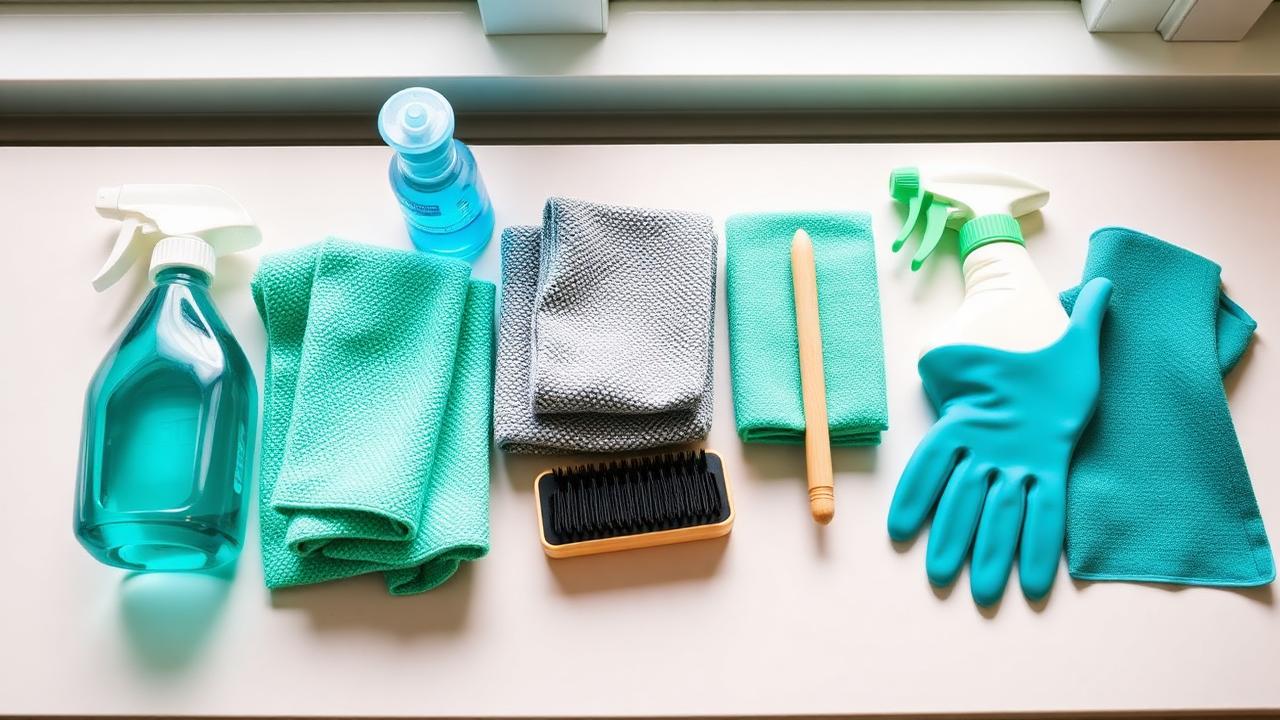
Semi-Annual Deep Cleaning Chores (Every 6 Months)
Every six months, deep cleaning shifts to climate-related changes, structural glass, and appliance mechanical components that impact air quality and energy consumption.
- Window Panes, Tracks, and Screens: Remove exterior screens and wash them using a soft bristle brush with warm, soapy water. Vacuum window tracks using a narrow crevice tool, spray with an all-purpose cleaner, and wipe with a microfiber detailing cloth. Clean interior and exterior window glass with a squeegee and a solution of 1 gallon of water and 1 teaspoon of dish soap to eliminate streaks.
- Refrigerator Condenser Coils: Unplug the refrigerator and remove the lower front grille or rear access panel. Use a 26-inch flexible coil brush and a vacuum crevice tool to dislodge and remove pet hair, dust, and lint. Cleaning the coils improves cooling efficiency and reduces compressor wear.
- Ceiling Fans and Overhead Light Fixtures: Turn off wall switches. Slide an old pillowcase over each fan blade and pull back to capture trapped dust inside the fabric without dispersing it onto the furniture below. Wipe down glass light shades with warm, soapy water and allow them to dry fully before replacing.
- Deep Carpet and Rug Cleaning: Rent or use a hot-water carpet extractor. Pre-treat high-traffic lanes with an enzymatic carpet cleaner, then run the extractor using water heated to 50°C–60°C (122°F–140°F) mixed with a low-foaming carpet detergent (pH 8–9). Run extra dry-suction passes to reduce drying times to under 6 hours.
- Pantry and Medicine Cabinet Purge: Empty all shelves completely. Check expiration dates on canned goods, spices, and medications. Discard expired items, vacuum shelf corners, and wipe surfaces with an antibacterial cleaner before returning organized stock.
Annual Deep Cleaning Chores (Once a Year)
Annual deep cleaning targets safety risks, deep-set fabric pollution, and inaccessible structural spaces that require specialized equipment or dedicated focus.
- Dryer Duct and Vent Exhaust Pipe: Disconnect the dryer from the wall outlet and vent duct. Use a 20- to 30-foot rotary dryer vent cleaning brush attached to a cordless drill to scrub lint out of the exhaust pipe through to the exterior home vent. Vacuum the internal lint trap housing with a narrow vacuum adapter.
- Upholstery Deep Extraction: Deep clean upholstered fabric on couches, armchairs, and dining chairs using a wet extraction machine with a dedicated upholstery shampoo. Check the furniture tag code: W means water-based cleaners are safe; S requires solvent-based cleaning only.
- Tile Grout Sealing and Deep Scrub: Apply an oxygen-bleach paste (2 tablespoons sodium percarbonate per 1 cup warm water) directly to grout lines in bathrooms and kitchens. Let it dwell for 15 minutes, scrub with a stiff nylon grout brush, rinse with clean water, and allow to dry for 24 hours. Apply a penetrating fluoropolymer-based grout sealer to prevent stain absorption.
- Chimney and Fireplace Inspection: Sweep soot and ashes from the firebox. If you burn wood regularly, schedule a certified chimney sweep to remove creosote glaze and eliminate flue blockages.
- Curtain and Drapery Laundering: Take down heavy window drapes. Either dry clean them or machine wash unlined panels on a delicate cold cycle, hanging them back up while slightly damp to release wrinkles naturally.
Master Deep Cleaning Schedule
| Task | Frequency | Recommended Tool / Cleaner | Est. Time |
|---|---|---|---|
| Washing Machine & Dishwasher | Monthly | White vinegar / Washing machine tabs | 20 mins active |
| Range Hood Grease Filters | Monthly | Boiling water + Baking soda + Dish soap | 25 mins |
| Oven Interior Deep Clean | Quarterly | Baking soda paste + Vinegar spritz | 45 mins active |
| Baseboards & Trim | Quarterly | Microfiber cloths + Mild soapy water | 60–90 mins |
| Mattress Dusting & Sanitizing | Quarterly | Baking soda + HEPA upholstery vacuum | 30 mins per bed |
| Window Panes, Tracks & Screens | Semi-Annually | Squeegee + Dish soap solution + Track brush | 2–3 hours |
| Refrigerator Condenser Coils | Semi-Annually | Coil cleaning brush + Crevice vacuum | 20 mins |
| Carpet Deep Extraction | Semi-Annually | Hot water extractor + Low-foam shampoo | 2–4 hours |
| Dryer Duct & Exhaust Line | Annually | Rotary duct brush kit + Shop vacuum | 45 mins |
| Upholstery Steam Cleaning | Annually | Spot extractor / Steam machine | 1–2 hours |
| Grout Scrubbing & Sealing | Annually | Oxygen bleach + Penetrating sealer | 2–3 hours |
How Household Factors Adjust Your Deep Cleaning Frequency
The standard schedule serves as an operational baseline, but specific home conditions require you to compress or extend these intervals:
- Pets (Dogs and Cats): Increase carpet extraction, baseboard wiping, and mattress vacuuming from quarterly/semi-annually to every 6 to 8 weeks to eliminate shed fur, dander, and dried outdoor mud. Refrigerator coils must be cleared every 3 months due to pet hair suction.
- Allergies and Asthma: Increase HVAC filter changes to every 30 to 60 days (using MERV 11 to 13 filters) and deep clean window coverings, ceiling fans, and fabric upholstery every 3 months.
- Hard Water Areas (>7 Grains per Gallon): Descale coffee makers, dishwashers, washing machines, and bathroom plumbing fixtures every 3 to 4 weeks using citric acid or concentrated 6% cleaning vinegar to prevent permanent calcium carbonate encrustation.
- Large Households (4+ People): Increase appliance maintenance (dishwasher filter and washing machine tub) to bi-weekly and cycle oven cleaning every 6 to 8 weeks due to higher cooking volumes.
Frequently Asked Questions
What is the difference between regular cleaning and deep cleaning?
Regular cleaning handles surface maintenance on a daily or weekly basis—such as sweeping floors, wiping countertops, making beds, and cleaning toilet bowls. Deep cleaning addresses embedded dirt, hidden grease, mineral scale, and allergens behind, beneath, and inside structural elements and appliances that are not addressed during routine cleanings.
Can I deep clean my whole house in one day?
Deep cleaning an entire average-sized home (1,500 to 2,500 sq. ft.) thoroughly takes between 12 and 20 labor hours, making a single-day clean physically exhausting and often incomplete. Splitting deep cleaning into monthly, quarterly, and seasonal zone rotations ensures higher quality results without cleaning fatigue.
What happens if you never deep clean appliances?
Failing to deep clean appliances leads to mechanical failure and increased utility bills. Dust-covered refrigerator coils force the compressor to run up to 35% longer. Lint-clogged dryer ducts create dangerous household fire hazards. Grease-laden oven walls and range hood filters smoke heavily, alter food flavors, and introduce airborne carcinogens into your living spaces.
What is the best product for removing heavy kitchen grease?
A solution of hot water, sodium carbonate (washing soda), and a concentrated surfactant-based dish soap easily cuts through grease. For baked-on interior oven grease, a paste made of sodium bicarbonate (baking soda) left to sit for 8 to 12 hours breaks down acidic fatty acids without producing the hazardous fumes associated with sodium hydroxide (lye) aerosol oven sprays.
Cleneus is reader-supported. Pages carry display advertising and some outbound product links may earn us a commission, which never changes the methods we recommend. Read our disclosure.