How Often Should You Mop Floors If You Have Pets? Complete Floor Care Guide
Find out how often to mop floors with pets. Get room-by-room schedules, pet-safe cleaner ratios, and methods to remove paw prints and pet dander.
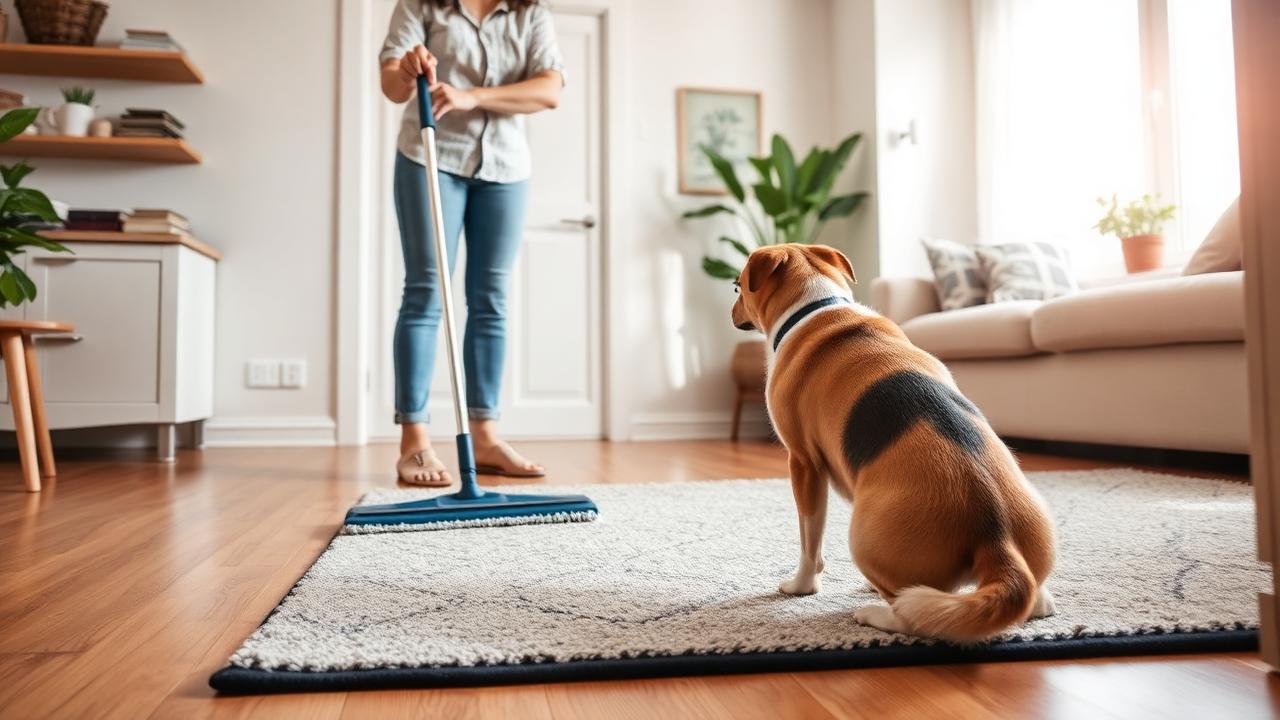
If you have pets, you should wet mop high-traffic hard floor areas one to two times per week, dry mop or vacuum every one to two days, and spot-mop accidents or muddy paw prints immediately. Low-traffic rooms with pet access generally require wet mopping every two weeks.
Pets introduce unique debris to hard surfaces, including shed hair, dried saliva, dander, outdoor grit, and tracked litter dust. Sticking to a structured floor-cleaning schedule keeps your home hygienic while protecting your flooring from premature wear and pet-related staining.
Key Factors That Determine Your Mopping Frequency
While a weekly mop serves as a standard baseline, several household variables dictate whether you need to clean more or less frequently:
- Number and Size of Pets: A multi-pet home or a large 80-pound Golden Retriever brings in significantly more dirt, hair, and moisture than a single indoor cat.
- Outdoor Access and Weather: Rainy seasons and winter snow create wet mud and road salts, requiring high-traffic entryways to be mopped 3 to 4 times per week.
- Flooring Material: Glazed ceramic and porcelain tile can handle frequent wet mopping with pet-safe detergents. In contrast, engineered hardwood, solid hardwood, and laminate require damp-mopping with minimal moisture to prevent edge swelling and finish degradation.
- Pet Health and Age: Senior pets prone to incontinence or puppies undergoing house training necessitate daily spot sanitation to prevent biological fluids from penetrating grout and wood seams.
Pet Owner Mopping Schedule by Living Zone
Managing pet dirt becomes easier when you divide your cleaning routine by floor type and traffic level rather than tackling the entire house at once.
| Household Scenario | Dry Sweeping / HEPA Vacuuming | Routine Damp Mopping | Deep Sanitizing / Steam Cleaning |
|---|---|---|---|
| 1 Small/Medium Pet (Low Shedding) | Every 2–3 days | Once per week | Once every 2 months |
| Multiple Dogs or High-Shedding Breeds | Daily | 2 times per week | Once every month |
| Indoor Cats (Litter Box Areas) | Daily (sweep litter scatter) | 1–2 times per week | Every 3–4 weeks |
| Entryways, Mudrooms & Kitchens | Daily | 2–3 times per week | Every 2 weeks |
| Hardwood Bedrooms (Pets Sleep Here) | Every 2 days | Every 10–14 days | Every 3 months (wood-safe) |
The 3-Tier Pet Floor Maintenance Routine
1. Daily Spot Maintenance (2 to 5 Minutes)
Never let liquid pet messes sit. Urine, vomit, and muddy prints should be cleaned immediately using an enzymatic spot cleaner or a damp microfiber pad. Dried urine contains uric acid crystals that bond to porous grout and subfloors, creating permanent odors if not addressed right away.
2. Weekly Maintenance Mopping (15 to 30 Minutes)
Focus on primary gathering spots: the kitchen, living room, hallways, and near pet feeding stations. Always remove dry hair and grit first using a HEPA-filtered vacuum or a dry electrostatic dust mop. Applying wet mop heads over pet hair creates wet sludge that smears across grout lines and baseboards.
3. Monthly Deep Cleaning (45 to 60 Minutes)
Move pet beds, crates, and lightweight furniture. Use a dual-chamber spin mop or a commercial flat-mop system with fresh microfiber pads for each room. Deep cleaning targets floor corners, grout channels, baseboard edges, and the dried residue left behind around food bowls.
Step-by-Step Mopping Routine for Pet-Friendly Homes
Follow this systematic procedure to lift pet grime without leaving sticky residues that attract more paw prints:
- Step 1: Thorough Dry Removal. Vacuum hard floors using a dedicated bare-floor brush tool (turn off revolving beater bars to avoid scratching). Ensure pet hair along baseboards is cleared.
- Step 2: Mix the Solution with Warm Water. Prepare your cleaning solution using warm tap water between 100°F and 115°F. Excessively hot water can degrade active enzymes in pet cleaners, while cold water struggles to dissolve body oils left by pet paws.
- Step 3: Control Moisture Levels. Wring your mop pad until it is damp, not dripping. When cleaning hardwood, laminate, or luxury vinyl plank (LVP), standing water can seep between seams and compromise adhesives.
- Step 4: Use the 'S-Pattern' Motion. Mop in an overlapping 'S' or figure-eight pattern, pulling dirt toward you rather than pushing it backward over clean areas.
- Step 5: Ensure Fast Drying. Increase airflow by opening windows or running ceiling fans. Floors should dry fully within 5 to 10 minutes before allowing pets back into the room to prevent immediate re-soiling.
Pet-Safe Cleaners vs. Ingredients to Avoid
Pets walk barefoot on floors and groom their paws, making chemical safety a top priority. Standard floor waxes, strong disinfectants, and synthetic fragrances transfer easily to animal fur and digestive systems.
Safe Cleaning Options
- pH-Neutral Floor Cleaners: Specially formulated for hard surfaces, these remove grease without stripping floor finishes or irritating pet skin (dilute 1 to 2 ounces per gallon of water).
- Enzymatic Floor Washes: Biological enzymes break down proteins, lipids, and uric acid rather than simply masking pet scents.
- Diluted White Distilled Vinegar: Safe for ceramic tile, vinyl, and sealed laminate when mixed at a ratio of 1/2 cup vinegar to 1 gallon of warm water. Do not use vinegar on natural stone (marble, travertine, slate) or unsealed hardwood, as acid etches the surface.
Products and Ingredients to Avoid
- Ammonia: Ammonia mimics the chemical profile of pet urine, which can trigger territorial marking behaviors in dogs and cats.
- Pine Oils and Phenols: Highly toxic to cats and dogs if ingested or absorbed through paw pads, potentially leading to respiratory and liver complications.
- High-Concentration Bleach: Corrosive to paw pads, damaging to wood finishes, and irritating to respiratory tracts. If sanitizing with bleach, rinse thoroughly with fresh water and dry completely before pets enter.
Conclusion
For most pet owners, damp mopping one to two times per week paired with daily dry hair pickup provides the optimal balance of hygiene and floor preservation. Adjust this cadence based on weather, shedding cycles, and room usage, and always use non-toxic, pH-balanced cleaning solutions to keep your floors pristine and your pets safe.
Cleneus is reader-supported. Pages carry display advertising and some outbound product links may earn us a commission, which never changes the methods we recommend. Read our disclosure.