
How to Catch Up on House Cleaning When Overwhelmed: A Step-by-Step Guide
Learn how to catch up on house cleaning when overwhelmed. Use this step-by-step triage system, timed cleaning blitzes, and maintenance schedules.
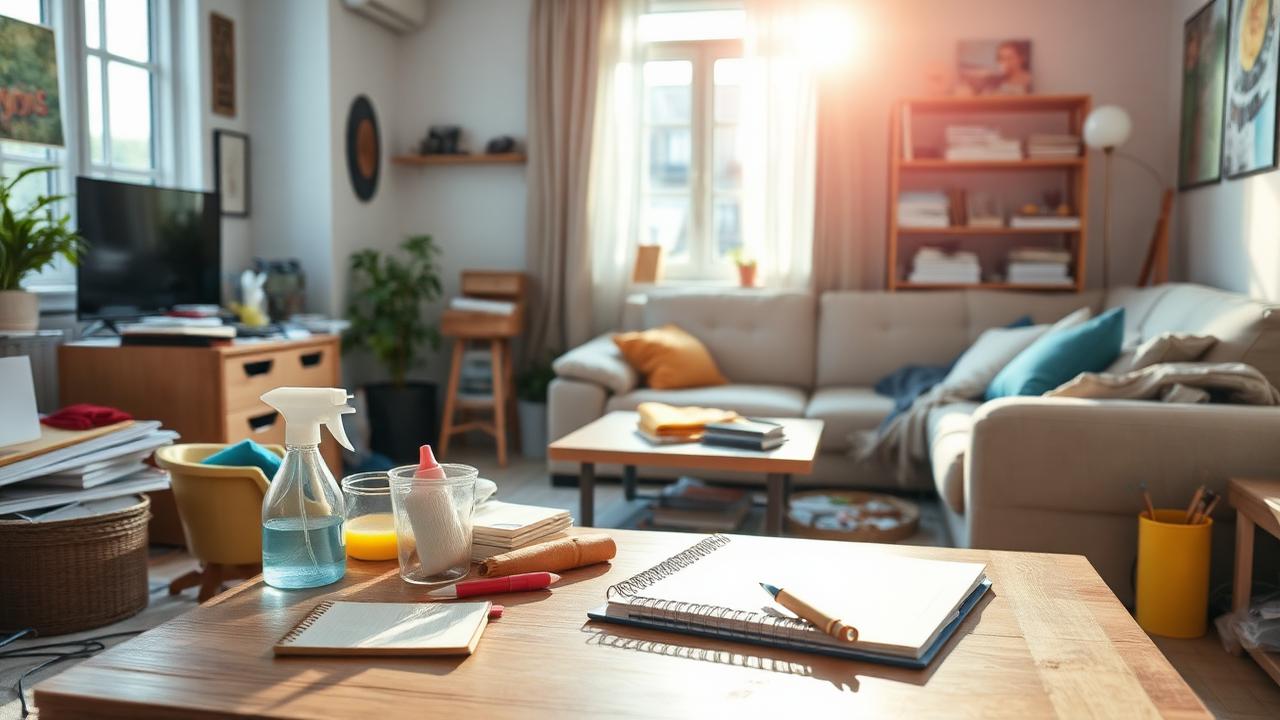
To catch up on house cleaning when overwhelmed, stop attempting a whole-house deep clean and execute a triage system instead. Begin with a 45-minute reset focusing on three visible disruptions: trash removal, dirty dishes, and scattered laundry. Once functional order is restored, work through high-traffic zones in timed 20-minute intervals using focused cleaning agents like warm water at 120°F, neutral pH surface cleaners, and high-density microfiber cloths. This structured approach stops paralysis and restores order quickly.
Phase 1: The 45-Minute Emergency Triage
Clutter fatigue happens when visual stimuli overload your focus. To break this cycle, ignore fine details like dusting baseboards or organizing drawers. Execute these three rapid steps across the entire house before cleaning any surfaces.
- Step 1: The Trash Bag Blitz (10 Minutes). Walk through every room with a heavy-duty 30-gallon trash bag. Collect food wrappers, expired mail, packaging, and obvious garbage. Do not stop to sort recyclables or deliberate over clutter. Throw away clear rubbish immediately.
- Step 2: Dish Consolidation and Soak (15 Minutes). Gather every used glass, mug, and plate from bedrooms, living spaces, and desks into the kitchen sink. Scrape food residue into the garbage. Load the dishwasher and run a cycle using hot water at 130°F to 140°F with an enzyme-based detergent. If washing by hand, fill the sink basin with hot water and 1 tablespoon of concentrated grease-cutting dish soap to soak crusted cookware.
- Step 3: The Hamper Haul (20 Minutes). Grab a laundry basket and sweep through the house picking up clothing, damp towels, blankets, and fabric items from floors and furniture. Do not sort fabrics now; dump them directly into laundry hampers or straight into the washing machine to start a normal wash cycle at 105°F.
Phase 2: High-Impact Zone Cleaning
Once the floors and flat surfaces are free of trash and laundry, tackle primary living spaces in order of functional necessity. Spend no more than 15 to 20 minutes in each room.
1. The Kitchen Surface Reset
Clear everything off the countertops that does not belong there. Spray down counters and the stovetop with an all-purpose plant-based or neutral detergent spray. Let the solution dwell for 3 to 5 minutes to break down grease and oils. Wipe clean using an S-pattern motion with a 300 GSM microfiber cloth. Finish by sweeping loose crumbs toward the center of the kitchen floor and into a dustpan.
2. The Bathroom Sanitation Blitz
Apply 4 to 6 ounces of toilet bowl cleaner containing hydrochloric acid or sodium bisulfate under the rim and let it sit. Spray bathroom mirrors with a 50/50 mix of distilled water and isopropyl alcohol, wiping dry with a waffle-weave glass towel. Spray the sink vanity and faucet handles with an EPA-registered disinfectant spray, allowing a 10-minute wet contact time for proper germ eradication. Scrub the toilet bowl with a stiff-bristled brush, wipe down the exterior porcelain, and replace hand towels with fresh ones.
3. The Living Room Surface Alignment
Straighten sofa cushions and fold throw blankets. Clear horizontal surfaces including coffee tables, end tables, and media consoles. Stack books, corral remote controls into a single tray, and wipe dusty hard surfaces with a damp microfiber cloth wrung out with warm tap water.
4. The Primary Bedroom Sleep Sanctuary
Strip old bed sheets and pillowcases. Put on fresh linens immediately; an unmade bed amplifies visual chaos, while a cleanly made bed creates an instant sense of order. Clear off nightstands, leaving only a lamp, a charger, and essential items. Put shoes back in the closet or shoe rack.
Choosing a Cleaning Catch-Up Strategy
Different energy levels and schedules require different cleanup methods. Select the strategy below that matches your current capacity.
| Method | Best For | Work Interval | Primary Benefit |
|---|---|---|---|
| The 20/10 Rule | Low energy, physical exhaustion | 20 minutes work, 10 minutes rest | Prevents burnout and physical strain |
| Room-by-Room Blitz | High distraction, visual thinkers | 30 to 45 minutes per room | Provides instant gratification room by room |
| Top-to-Bottom Reset | Whole-house weekend catch-up | 60 minutes per floor level | Eliminates re-soiling cleaned lower zones |
| Junebug Technique | Extreme executive dysfunction | 5 to 10 minutes on one surface | Builds momentum starting from one micro-zone |
Floor Recovery: The Final Step
Never vacuum or mop before clearing surfaces, as fallen dust and crumbs will double your work. Complete your catch-up routine with a rapid floor treatment across all high-traffic areas.
- Dry Soil Removal: Vacuum all rug and carpet paths using high suction with a clean HEPA filter. Run a dry microfiber dust mop over hardwood, laminate, or tile floors to collect pet hair and loose grit without scratching the finish.
- Targeted Wet Mopping: Do not pull out heavy mop buckets for a catch-up session. Use a flat spray mop filled with warm water and 0.5 teaspoon of neutral floor cleaner per 16 ounces of water. Mop exit paths leading out of each room to avoid stepping on damp surfaces.
How to Prevent Cleaning Overwhelm from Returning
Once you regain baseline cleanliness, implement small automated habits to prevent clutter from compounding again.
- Implement the One-Touch Rule: Place items in their final destination immediately rather than setting them down on temporary surfaces like kitchen islands or chairs.
- Nightly 10-Minute Reset: Set a kitchen timer for 10 minutes before bed. Empty the sink, run the dishwasher, wipe the kitchen counter, and align living room pillows.
- Daily Load of Laundry: Wash, dry, fold, and store one load of laundry every morning or evening rather than saving seven loads for the weekend.
Frequently Asked Questions
Where should I start when my house is completely trashed?
Start in the kitchen with trash removal and dirty dishes. Clearing the kitchen sink provides an immediate workspace and removes foul odors, which reduces mental stress and establishes momentum for cleaning the rest of the home.
How do I clean when I have zero motivation and severe fatigue?
Use the Junebug technique. Pick one tiny focal point, such as a single nightstand, one side of the kitchen counter, or a single bathroom sink. Clean only that surface and give yourself permission to stop afterward. The reduction in visual noise often generates the dopamine needed to continue.
What cleaning products are essential for a quick catch-up?
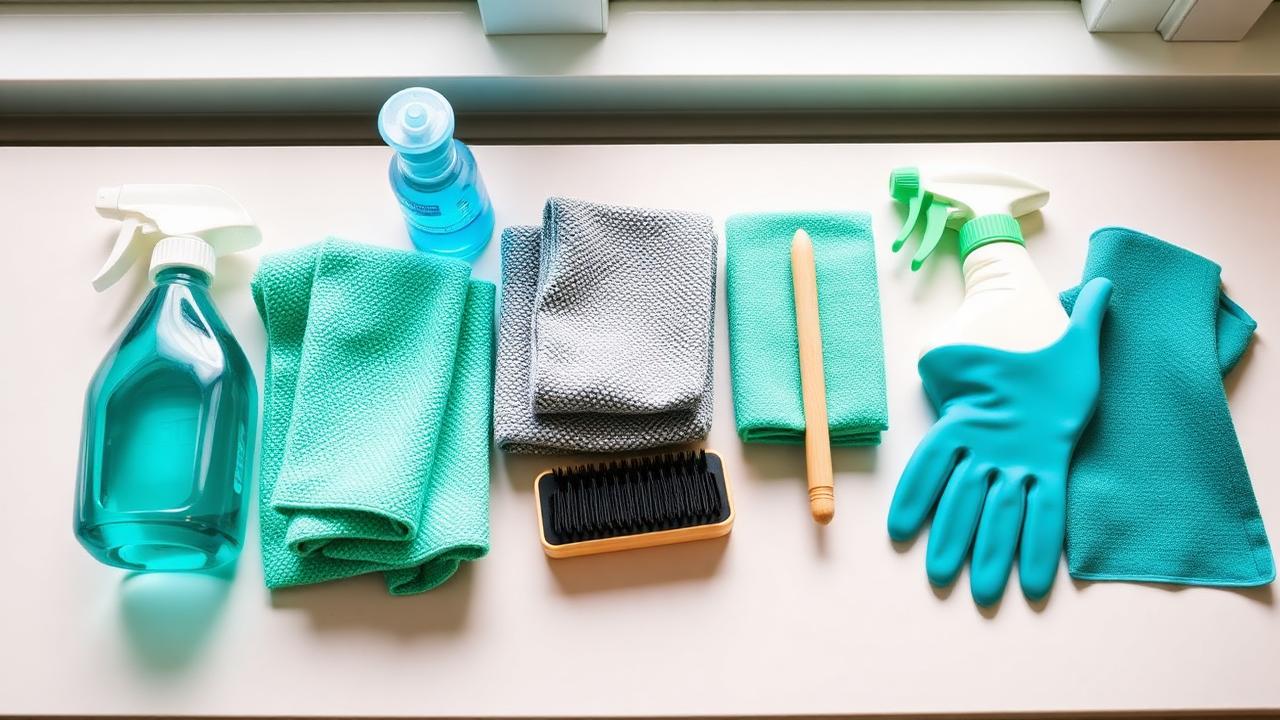
You only need four basic tools: a neutral all-purpose cleaner spray, an EPA-registered disinfectant, four to six 300 GSM microfiber cloths, and a vacuum with a hard-floor setting. Limiting your tools prevents decision fatigue and saves time switching between chemicals.
How long does a whole-house catch-up clean take?
An emergency catch-up clean on an average 1,500 to 2,000 square-foot home takes approximately 90 minutes to 2 hours when sticking strictly to triage tasks: trash, dishes, laundry, horizontal surface wiping, and high-traffic floor vacuuming.
Cleneus is reader-supported. Pages carry display advertising and some outbound product links may earn us a commission, which never changes the methods we recommend. Read our disclosure.