
How to Clean Ceiling Fan Blades Without Spreading Dust: The Allergy-Safe Guide
Learn how to clean ceiling fan blades without spreading dust using the pillowcase method. Trap allergens, eliminate grime, and keep floors clean.
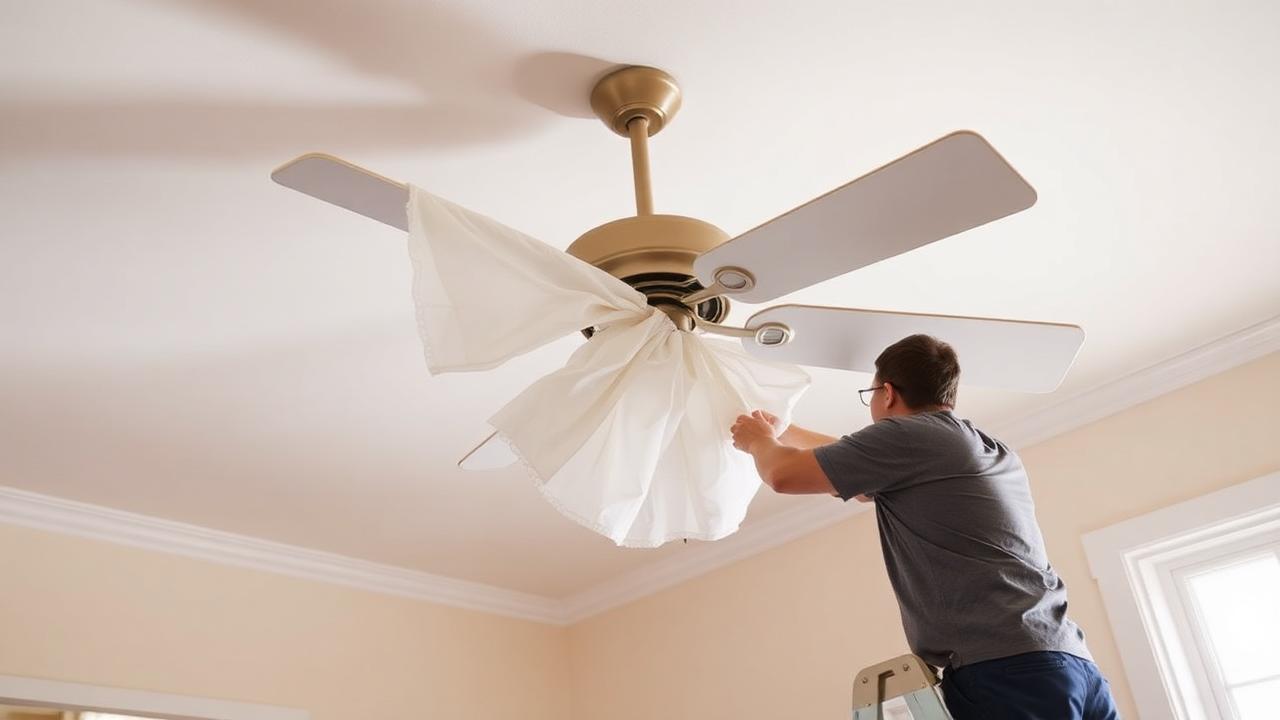
To clean ceiling fan blades without spreading dust across your furniture and floor, use the pillowcase method. Slide a damp, standard cotton pillowcase over each blade like a sleeve, press your hands firmly against the top and bottom surfaces, and draw the fabric back toward you. This traps 100% of the accumulated dust, pet dander, and dust mite debris inside the pillowcase rather than dispersing airborne particulates into your living space.
Why Ceiling Fan Blades Collect Dangerous Allergens
Ceiling fans act as allergen magnets due to static electricity and aerodynamic friction. As the blades slice through the air, friction generates a slight electrical charge that pulls airborne matter onto the leading edges and upper surfaces. Over months, this creates a dense, gray biofilm composed of sloughed skin cells, dust mites, mold spores, and pet dander.
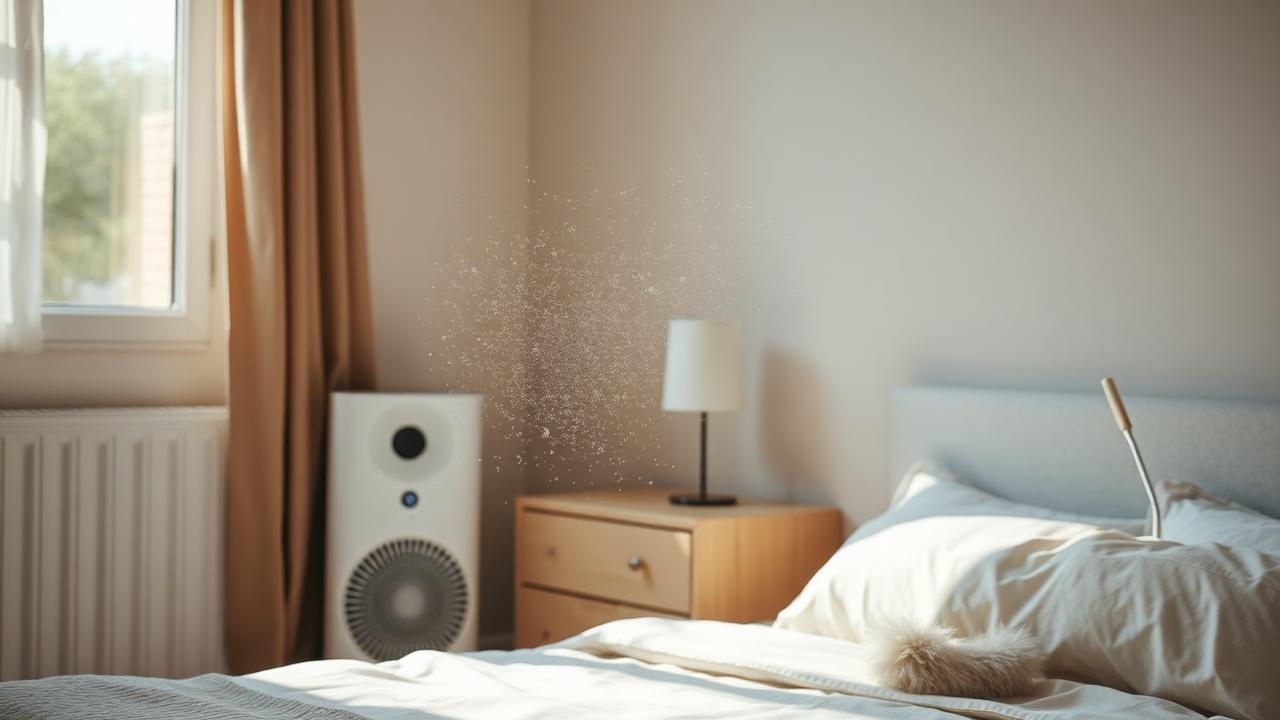
When you activate a dusty fan, the centrifugal force flings microscopic particles into the room at high velocity. For individuals with allergic rhinitis, asthma, or respiratory sensitivities, this causes immediate flare-ups. Traditional dusting with a dry feather duster or rag dislodges up to 80% of these settled allergens into the air, where they remain suspended for up to 8 hours before settling onto bedding, rugs, and upholstery.
Essential Supplies for Zero-Fallout Fan Cleaning
Gather these specific tools before beginning to ensure zero allergen fallout and complete grime removal:
- Old cotton pillowcase: Medium-to-high weave (100% cotton works best to generate a dust-trapping electrostatic charge).
- Spray bottle solution: 500 ml (2 cups) of warm water (approx. 105°F / 40°C) mixed with 5 ml (1 teaspoon) of mild liquid dish soap or castile soap.
- Microfiber cloths: Two 300+ GSM split-microfiber cloths for detailing.
- Sturdy step ladder: A ladder tall enough that your chest is level with the fan blades to prevent overreaching.
- HEPA vacuum with soft brush attachment: For clearing the motor housing and canopy.
- Drop cloth or old bedsheet: Placed directly underneath the fan as a fail-safe measure.
- Protective wear: An N95 dust mask and safety glasses if you suffer from severe airborne allergies.
Step-by-Step Guide: The Pillowcase Technique
Follow this precise sequence to clean your ceiling fan blades safely, thoroughly, and without dropping a single speck of dust.
Step 1: Disconnect the Power
Turn off the ceiling fan using the wall switch and remote control. For absolute safety, especially if working near the motor housing or pull chains, turn off the breaker supplying power to that specific room at the service panel.
Step 2: Position Your Ladder and Drop Cloth
Lay a clean drop cloth or old sheet directly on the floor or over any furniture positioned under the fan fixture. Position your step ladder slightly to the side of one blade rather than directly beneath it, ensuring a stable, three-point contact stance.
Step 3: Prepare the Pillowcase
Lightly mist the interior of the cotton pillowcase with your warm water and soap solution. The fabric should feel slightly damp to the touch, not soaked. Excess moisture can drip onto flooring or seep into wooden fan blades, causing warping.
Step 4: Encase and Wipe the Blade
Slip the open end of the damp pillowcase over the tip of the first fan blade, sliding it all the way to the motor mount. Place your hands on the outside of the pillowcase—one flat on the top of the blade and one flat on the bottom. Apply firm, even pressure and slowly slide the pillowcase off the blade toward the outer tip. All loose dust, thick lint, and debris will scrape off and remain trapped inside the pillowcase pocket.
Step 5: Repeat and Detail
Rotate the fan by hand to bring the next blade toward your ladder position—never overreach. Repeat Step 4 for each blade. If the pillowcase becomes full of heavy debris, turn it inside out over a trash can outdoors, shake gently, re-dampen, and continue.
Step 6: Detail the Edges and Brackets
Take your damp microfiber cloth and wipe down the narrow side edges of each blade and the decorative metal brackets connecting the blades to the motor. These areas harbor sticky film that sliding cloths can miss.
Step 7: Clean the Motor Housing and Light Fixture
Using a vacuum cleaner equipped with a HEPA filter and a soft horsehair brush attachment, gently vacuum the motor vents and housing to extract trapped interior dust. Wipe down the light kit, globes, and pull chains with a dry microfiber cloth.
Comparing Ceiling Fan Cleaning Methods
Different cleaning tools yield significantly different results regarding dust containment and indoor air quality.
| Method | Dust Containment Rate | Ladder Required? | Cleaning Time | Best Use Case |
|---|---|---|---|---|
| Damp Pillowcase | 98–100% | Yes | 8–10 minutes | Standard residential fans, allergy-sensitive homes |
| Extendable Microfiber Duster | 60–75% | No | 3–5 minutes | Vaulted, cathedral, or two-story high ceilings |
| Vacuum Blade Attachment | 85–90% | Optional | 5–7 minutes | Light, dry surface dust without sticky grease |
| Dry Feather Duster | 20–30% | Yes | 2–3 minutes | Not recommended (scatters allergens widely) |
Deep Cleaning Greasy Kitchen Ceiling Fan Blades
Ceiling fans mounted near kitchens or open-concept living rooms accumulate vaporized cooking oils that mix with household lint, creating a sticky, yellowed film. Standard water and soap may smear this residue rather than lift it.
- Degreasing Solution: Mix 250 ml (1 cup) of warm water, 250 ml (1 cup) of 5% white distilled vinegar, and 5 ml (1 teaspoon) of grease-cutting liquid dish detergent in a spray bottle.
- Application: Lightly mist a microfiber cloth with the vinegar solution. Do not spray directly onto the blades to prevent liquid from splashing into the motor casing.
- Stubborn Grime: For caked-on kitchen grease, make a gentle paste of 30 g (2 tablespoons) of baking soda and 15 ml (1 tablespoon) of warm water. Apply with a cloth, let sit for 3 minutes, then wipe clean with a damp microfiber towel. Dry immediately with a fresh cloth to protect blade finishes.
Preventing Rapid Dust Build-Up: Anti-Static Treatment
After cleaning the blades down to the bare finish, apply an anti-static barrier to reduce dust attraction over the subsequent 3 to 6 months.
- Fabric Softener Barrier: Mix 1 part liquid fabric softener with 4 parts distilled water. Dampen a clean microfiber cloth and apply a very light, even coat across the top and bottom of each blade. The cationic surfactants in the softener neutralize static charges on the blades.
- Commercial Anti-Static Spray: Spray an electronics-grade anti-static cleaner onto a cloth and buff the blade surfaces until dry.
- Seasonal Blade Rotation: Ensure your fan spins counterclockwise in the summer (forcing air down for a cooling breeze) and clockwise at low speed in winter (pulling cool air up and pushing warm air down). Reversing the rotation every six months ensures even wear and prevents static buildup on one specific edge.
Frequently Asked Questions
How often should ceiling fan blades be cleaned to control allergies?
In households with allergy sufferers, pets, or high foot traffic, clean fan blades once every 3 to 4 weeks. For standard homes without significant allergen triggers, a thorough cleaning every 60 to 90 days prevents deep buildup.
Can I clean a high ceiling fan without using a ladder?
Yes. Use an extendable pole equipped with a curved, split-microfiber duster head designed to wrap around both sides of the blade simultaneously. Lightly mist the duster head with water or an anti-static spray to prevent dry dust from dropping during the cleaning stroke.
Why do ceiling fan blades get dusty if they are constantly moving?
As the fan blades rotate through the air, they undergo fluid friction, creating static electricity. Dust particles floating in the air carry an opposing charge and are pulled directly to the leading edges and upper surfaces of the blades.
Will water damage wooden ceiling fan blades?
Excessive water can cause solid wood or composite MDF fan blades to warp, swell, or peel. Always use a lightly damp cloth or pillowcase, never saturate the surfaces, and dry the blades immediately with a clean, dry microfiber cloth after degreasing.
Cleneus is reader-supported. Pages carry display advertising and some outbound product links may earn us a commission, which never changes the methods we recommend. Read our disclosure.