How to Clean Luxury Vinyl Plank Flooring Without Streaking
Learn how to clean luxury vinyl plank floors without streaks or cloudy residue using pH-neutral solutions, microfiber mops, and expert techniques.
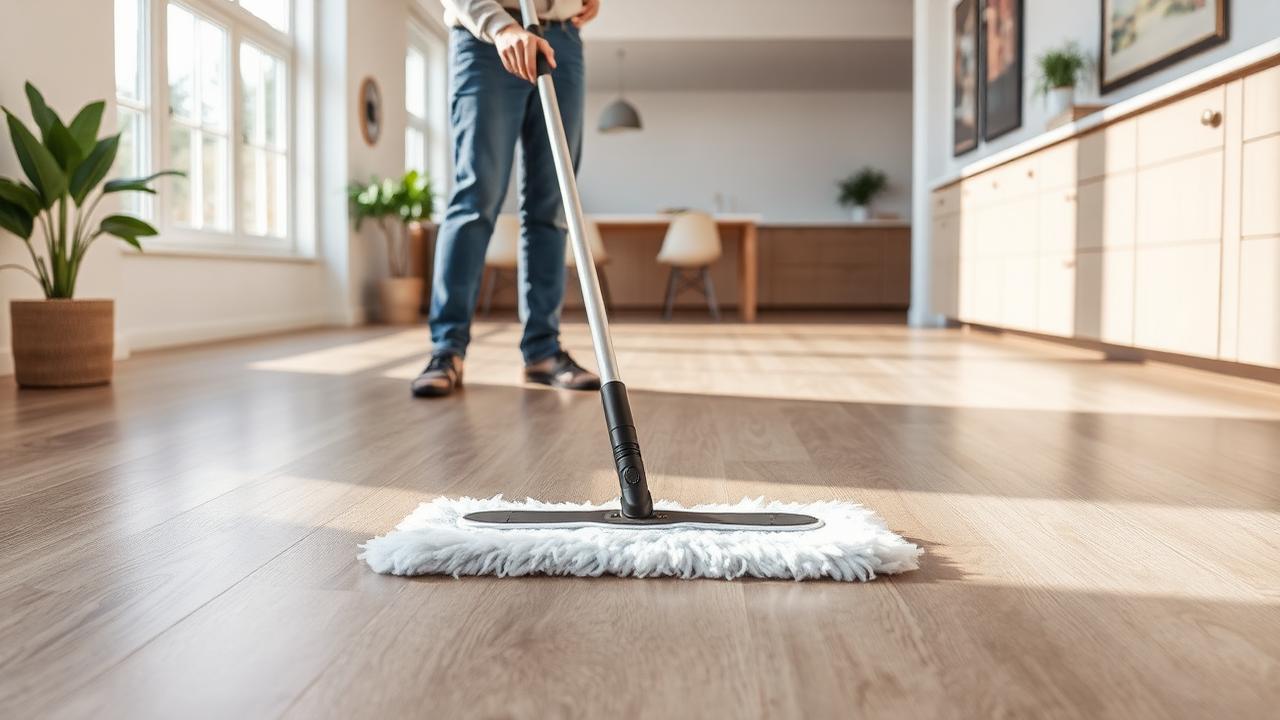
To clean luxury vinyl plank (LVP) flooring without leaving streaks, use a damp microfiber mop with a pH-neutral cleaner or a DIY solution of 1 cup of distilled white vinegar mixed into 1 gallon of warm water (around 100°F). Streaks occur when excess detergent, hard tap water minerals, or pooled water dry on the non-porous polyurethane wear layer of your planks. By sweeping thoroughly beforehand, wringing your mop until it is damp rather than soaking wet, and drying the floor with a clean microfiber pad, you will achieve a crystal-clear, streak-free finish every time.
Why Luxury Vinyl Plank Flooring Streaks and Clouds
Luxury vinyl plank is engineered with a durable, water-resistant polyurethane or ceramic-bead top layer. Because this synthetic wear layer is completely non-porous, liquids cannot soak in. When you clean LVP, any residue left on the surface remains fully visible once the water evaporates.
The four primary culprits behind dull, hazy, or streaked vinyl floors include:
- Detergent Overload: Using multi-surface cleaners, pine oils, or excessive dish soap leaves a surfactant film that traps dust and shows every footprint.
- Hard Water Minerals: Tap water rich in calcium and magnesium leaves microscopic chalky deposits across dark or semi-gloss planks when air-dried.
- Oversaturated Mops: Pushing puddles of dirty water distributes suspended dirt into the bevels and texture grooves rather than lifting it away.
- Wax and "Mop-and-Shine" Products: Products containing acrylics or waxes form an artificial film that vinyl cannot absorb, creating an uneven, peeling haze.
Essential Tools and Materials for Streak-Free LVP Cleaning
To prevent product buildup and mechanical damage, assemble the following tools and supplies before mopping:
- Microfiber Flat Mop: Unlike traditional string mops, microfiber pads physically trap microscopic dirt particles and release minimal, controlled moisture.
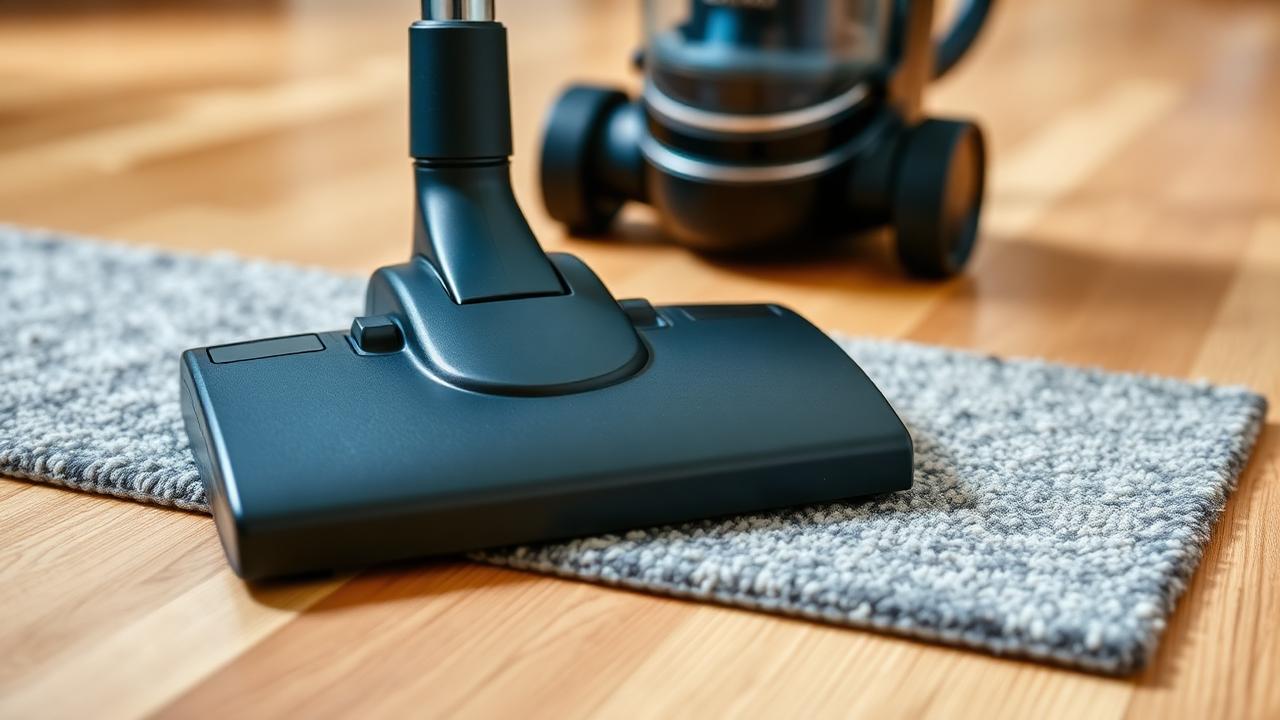
- Hard-Floor Vacuum or Soft Broom: A vacuum with a dedicated hard-floor setting (brush roll turned completely OFF) or a rubber/soft-bristle broom.
- Distilled White Vinegar (5% acidity): Naturally cuts grease and breaks down alkaline residues without damaging the wear layer.
- Distilled Water: Recommended if your home has hard tap water (over 7 grains per gallon).
- pH-Neutral Floor Cleaner: Commercial cleaners formulated specifically for LVP (such as Bona Hard-Surface or Zep Neutral Floor Cleaner).
- Clean Microfiber Drying Towels: For buffing high-traffic areas or soaking up excess moisture.
The Best DIY Streak-Free Cleaning Recipes
You do not need expensive, heavily fragranced chemicals to clean luxury vinyl. The following two formulas provide a streak-free clean without compromising your flooring warranty.
1. The Daily Streak-Free Maintenance Solution
- 1 gallon warm distilled water (approx. 95°F to 105°F)
- 1 cup 5% distilled white vinegar
- 2 drops of standard liquid dish soap (optional, only for greasy kitchen areas)
2. The Heavy-Duty Alcohol Lift (For Stubborn Film & Residue)
- 1 gallon warm distilled water
- 1/2 cup 70% isopropyl rubbing alcohol
- 1/2 cup 5% distilled white vinegar
Step-by-Step: How to Clean LVP Without Streaking
Step 1: Thorough Dry Soil Removal
Never wet mop a floor that has loose dirt, pet hair, or grit on it. Wetting dry dust creates a thin mud slurry that streaks across the planks. Vacuum the entire area using a hard-floor bare floor tool with the rotating beater bar switched off to avoid scratching the wear layer. Pay close attention to baseboards, corners, and plank seams.
Step 2: Mix the Solution with Warm Water
Fill a bucket with 1 gallon of warm water (roughly 100°F). Avoid boiling or scalding water, as high temperatures can soften vinyl adhesives and weaken the plank joints. Add your measured pH-neutral cleaner or vinegar solution. Stir gently to avoid creating excessive suds.
Step 3: Control Your Moisture Level
Submerge your microfiber pad in the solution, then wring it out aggressively until it is merely damp to the touch—not dripping. If you are using a spray mop, mist a fine layer directly in front of your path rather than soaking the floor.
Step 4: Mop in S-Patterns Along the Grain
Mop in a continuous figure-8 or "S" motion, moving backward toward the exit of the room. Always guide the mop in the direction of the plank texture and embossed grain. This motion prevents dirty water from collecting in the micro-bevels between planks.
Step 5: Rinse and Swap Pads Frequently
For large rooms (over 200 square feet), rinse your microfiber pad in a separate clean-water rinse bucket, or swap it for a fresh, clean pad. Reusing a dirt-saturated pad spreads a cloudy gray film across the room.
Step 6: Buff Dry for Zero Streaks
While vinyl planks are water-resistant, air-drying leaves microscopic evaporation lines. Attach a dry, clean microfiber towel to your mop base and quickly buff the floor dry right after mopping. This final pass eliminates all residual moisture and produces a clean, uniform sheen.
LVP Cleaning Methods Compared
| Cleaning Method | Safety for LVP | Streak Risk | Best Use Case |
|---|---|---|---|
| Distilled Water + Vinegar | Safe | Very Low | Routine weekly cleaning; removing mineral deposits |
| pH-Neutral Commercial Cleaner | Safe | Low | Daily to weekly cleaning of moderate household dirt |
| Dish Soap & Warm Tap Water | Use with Caution | High | Spot-cleaning isolated grease or food spills only |
| Floor Polish / "Shine Restorer" | Unsafe | Extremely High | Never recommended; causes permanent yellowing and peeling |
| Steam Mops | Unsafe | Low | Never recommended; forces moisture into seams and voids warranty |
How to Remove Existing Cloudy Buildup and Scuff Marks
If your floor already has a dull, cloudy haze from previous cleanings with wax or heavy detergents, you must strip the film before you can achieve a streak-free shine.
Stripping Soap Film
Mix 1 gallon of warm water with 1 cup of 5% distilled white vinegar and 1/3 cup of 70% isopropyl alcohol. Mop the floor in small 4x4-foot sections, allowing the solution to sit on the surface for 60 to 90 seconds to dissolve the surfactant film. Scrub lightly with a soft-bristle nylon brush or textured microfiber pad, then immediately wipe dry with clean microfiber towels.
Tackling Heel Scuffs and Sticky Spills
To eliminate rubber heel scuffs, apply a small dab of non-gel white baking soda paste (2 parts baking soda to 1 part water) to a microfiber cloth and rub gently in the direction of the plank grain. For dried paint, ink, or sticky glue residue, apply 1 teaspoon of isopropyl alcohol to a clean rag and rub the spot for 15 seconds until clear, then wipe clean with a water-dampened cloth.
Maintenance Tips to Keep Vinyl Plank Floors Streak-Free
- Implement a Two-Mat Entry System: Place a coarse bristle mat outside exterior doors and a moisture-absorbent microfiber mat inside to capture up to 85% of tracked-in sand and debris.
- Ditch the Steam Mop: Pressurized steam exceeds 212°F, which easily breaches plank click-lock systems, warps core layers, and degrades factory adhesives.
- Fit Furniture with Felt Floor Protectors: Attach heavy-duty adhesive felt pads under all chair legs, tables, and couches to avoid micro-scratches that trap cleaner residue.
- Sweep Every 24 to 48 Hours: High-traffic areas collect abrasive grit that dulls the clear coat finish; brief daily sweeping preserves the factory luster.
Frequently Asked Questions
Can I use vinegar on luxury vinyl plank floors?
Yes. Distilled white vinegar diluted at a ratio of 1 cup per 1 gallon of warm water is safe for luxury vinyl plank floors. The mild acidity dissolves grease and hard-water deposits without eroding the vinyl's synthetic wear layer.
Why does my luxury vinyl floor look cloudy after mopping?
Cloudiness is almost always caused by cleaner residue. Multi-surface sprays, pine-oil cleaners, oil soaps, and hard tap water leave behind surfactants and minerals that dry into an opaque film. Strip this buildup with a mixture of warm distilled water and white vinegar.
Can I use a steam mop on LVP if I use the lowest setting?
No. Most flooring manufacturers explicitly state that using a steam mop voids your LVP warranty. The heat and steam pressure force moisture down past the click-lock seams into the subfloor, leading to cupping, plank separation, and adhesive breakdown.
How often should I wet mop luxury vinyl plank flooring?
In standard residential households, wet mop your LVP floors once every 1 to 2 weeks. High-traffic areas like kitchens and entryways may require weekly cleaning, while bedrooms often only need damp mopping once or twice a month alongside regular dry sweeping.
Cleneus is reader-supported. Pages carry display advertising and some outbound product links may earn us a commission, which never changes the methods we recommend. Read our disclosure.