
How to Clean Natural Slate Floor Tiles Indoors: A Complete Guide
Learn how to clean natural slate floor tiles indoors safely with pH-neutral cleaners, proper vacuuming techniques, and stain removal methods.
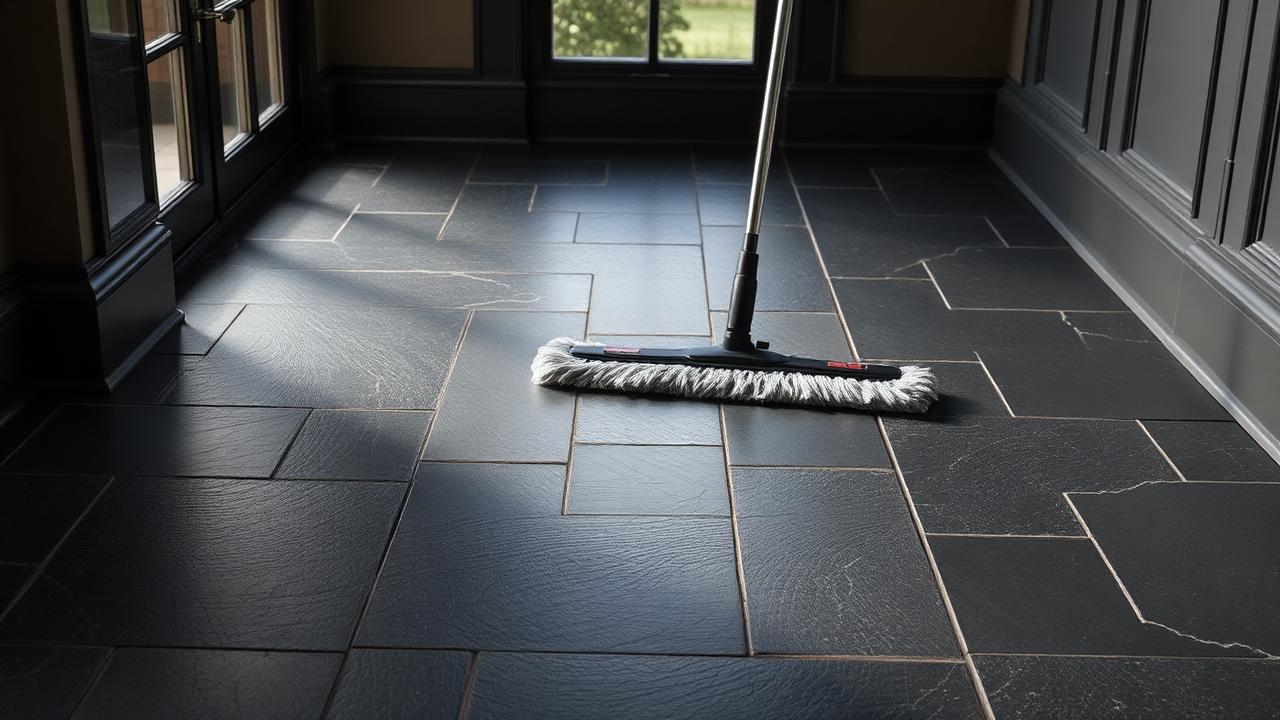
To clean natural slate floor tiles indoors, sweep or vacuum using a hard-floor setting, then mop with a pH-neutral stone cleaner diluted in warm water (around 105°F). Never use acidic solutions like vinegar, citrus cleaners, or harsh chemicals like bleach, which etch and degrade the stone. Always rinse with clean water and dry with a microfiber cloth to prevent water spots.
Daily and Routine Maintenance for Indoor Slate Floors
Natural slate is a metamorphic rock that is porous and prone to scratching if abrasive dirt accumulates. Establishing a consistent maintenance routine prevents grit from acting like sandpaper on the tile surface.
1. Dry Soil Removal (Daily to Every Other Day)
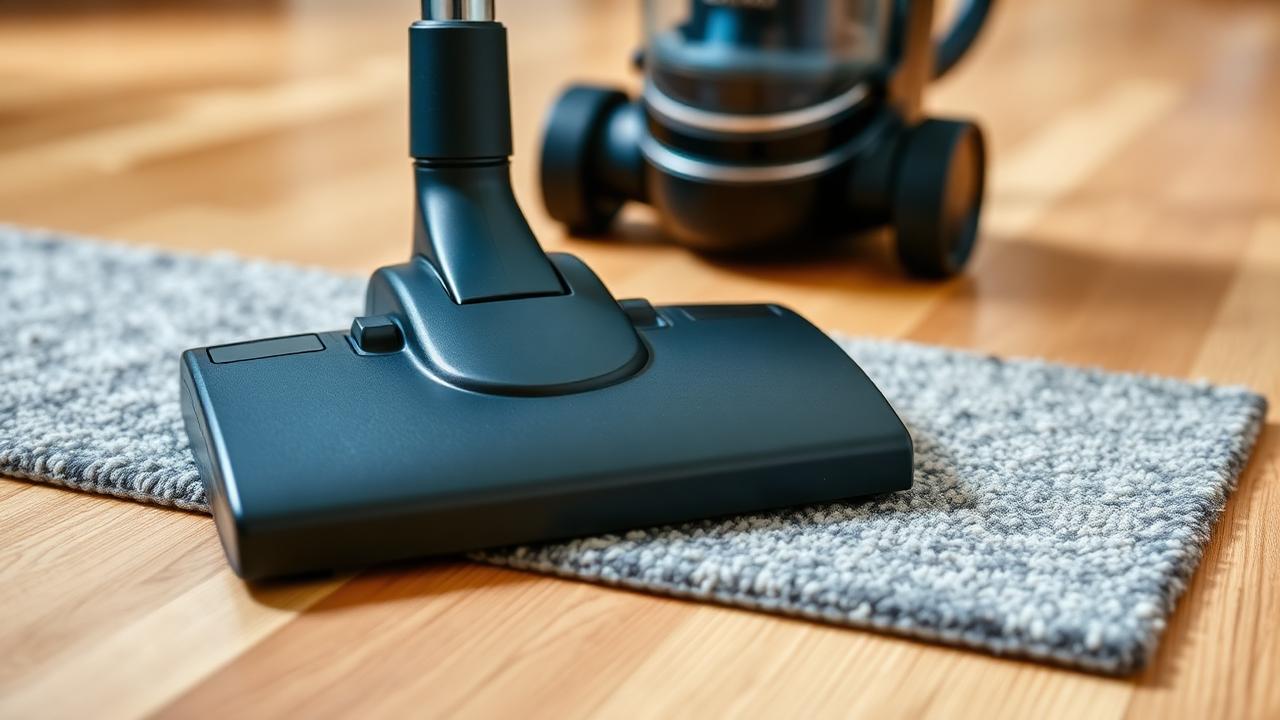
- Vacuuming: Use a canister or stick vacuum equipped with a dedicated bare-floor brush tool. Ensure the motorized brush roll is completely turned off to avoid scratching the slate's surface or chipping cleft edges.
- Dust Mopping: Use an untreated microfiber dry mop. Avoid electrostatic disposable pads that contain oil or chemical residues, as these can build up in the stone's microscopic pores.
2. Routine Damp Mopping (Weekly)
- Prepare the Solution: Mix 1 to 2 ounces of specialized pH-neutral stone cleaner with 1 gallon of warm tap water (100°F to 110°F) in a clean bucket.
- Mop Method: Submerge a microfiber flat mop into the solution, wring it out until it is damp rather than soaking wet, and mop in small sections (roughly 4 feet by 4 feet).
- Rinse and Dry: Fill a second bucket with clean, lukewarm water. Rinse your mop frequently. After washing the floor, perform a final pass with a dry microfiber pad to remove standing water, especially from natural crevices (clefts).
Recommended vs. Prohibited Cleaners for Natural Slate
Using the wrong chemical on natural slate can cause irreversible etching, discoloration, or breakdown of protective sealants. Use this reference table when selecting floor care products:
| Cleaner Type | Safety Rating | Impact on Slate Tiles | Recommended Use |
|---|---|---|---|
| pH-Neutral Stone Cleaner | Safe | Cleans without stripping sealers or reacting with minerals. | Routine weekly cleaning (1–2 oz/gal). |
| Castile Soap / Mild Dish Soap | Safe (Occasional) | Gentle, but can leave a dull film if not rinsed thoroughly. | Spot cleaning (a few drops per quart of water). |
| White Vinegar / Lemon Juice | Damaging | Acidic pH (< 3) dissolves minerals, etches surfaces, and strips sealants. | Never use on natural stone. |
| Chlorine Bleach | Damaging | Weakens stone integrity, discolors grout, and degrades sealants. | Never use on indoor slate. |
| Ammonia-Based Cleaners | Damaging | High alkaline pH dulls honed slate and breaks down protective coatings. | Never use on indoor slate. |
How to Deep Clean Cleft and Honed Slate Floors
Over time, cooking oils, foot traffic, and fine dust accumulate in the textured crevices of cleft slate and the pores of honed slate. Deep cleaning restores the stone without causing abrasion.
Step 1: Clear and Prep the Area
Remove all furniture and rugs. Thoroughly vacuum the entire floor to remove loose debris, paying special attention to grout joints and low cleft areas.
Step 2: Apply a Concentrated Stone Cleaner
Dilute a heavy-duty stone degreaser or concentrated pH-neutral tile cleaner according to package directions (typically 4 ounces per gallon of warm water). Apply the solution generously using a string mop, ensuring the surface is evenly wet but not flooded.
Step 3: Allow Dwell Time
Let the cleaning solution sit on the slate for 8 to 10 minutes. This allows the surfactants to break down bonded oils and dirt. Do not let the solution dry on the tile; mist lightly with clean water if it begins to evaporate.
Step 4: Agitate with a Soft-to-Medium Brush
Use a soft-bristle nylon scrub brush or a long-handled deck brush with tampico or nylon bristles. Scrub in circular motions to work into uneven cleft textures and deep grout lines. Avoid stiff wire brushes or abrasive scouring pads.
Step 5: Extract and Rinse
Pick up the dirty water using a wet/dry vacuum or a clean, damp mop. Rinse the entire floor twice with clean, cool water to remove all detergent residue. Dry thoroughly with clean microfiber towels.
Targeted Stain Removal Techniques
Because natural slate is porous, liquids can penetrate the surface and cause set-in stains if not addressed immediately.
Oil and Grease Stains
For kitchen grease, butter, or cosmetic spills, make a poultice using equal parts baking soda and water to form a thick paste (the consistency of peanut butter). Apply a 1/4-inch layer over the stain, cover with plastic wrap, tape the edges down with painter's tape, and poke a few small ventilation holes. Let it sit for 24 hours to draw the oil out of the stone. Scrape away gently with a plastic spatula, wipe clean with damp microfiber, and dry.
Organic Stains (Coffee, Tea, Wine)
Dampen a clean white cloth or paper towel with 12% hydrogen peroxide (food grade or stone-grade). Place the soaked cloth directly onto the organic stain. Cover with plastic wrap and allow it to sit for 12 hours. The oxidizer will lift the pigment without damaging the stone matrix. Rinse thoroughly with distilled water.
Sealing and Long-Term Slate Protection
A high-quality sealer prevents liquids and oils from penetrating the stone, making routine maintenance easier.
- The Water Drop Test: Place 3 to 4 drops of water on high-traffic areas of your slate. If the water absorbs and darkens the stone within 5 minutes, it is time to reseal. If the water beads tightly for 15 minutes or longer, your seal is intact.
- Choosing a Sealer: Use an indoor-rated, penetrating (impregnating) fluorochemical sealer for a natural matte finish, or a stone-enhancing penetrating sealer if you want to darken the clefts and highlight natural color variations.
- Application Frequency: Indoor slate floors generally require resealing every 2 to 3 years in low-traffic areas (bedrooms, formal living rooms) and every 12 to 18 months in high-traffic zones (entryways, kitchens, hallways).
Conclusion
Keeping indoor natural slate floor tiles clean requires gentle, non-acidic products and regular removal of dry grit. By using a pH-neutral cleaner, soft-bristle tools, and maintaining a penetrating sealer, your slate floors will retain their rich texture and natural beauty for decades.
Cleneus is reader-supported. Pages carry display advertising and some outbound product links may earn us a commission, which never changes the methods we recommend. Read our disclosure.