
How to Clean Walls Without Removing Paint: Complete Guide
Learn how to clean painted walls without damaging or stripping paint. Step-by-step techniques, safe DIY cleaning solutions, and finish-specific tips.
To clean painted walls without removing paint, use a soft microfiber cloth dampened with a solution of 1 teaspoon (5 ml) of mild liquid dish soap mixed into 1 gallon (3.8 liters) of lukewarm water (around 75°F to 85°F). Always wring out the cloth until it is barely damp to prevent moisture saturation, gently wipe the surface in circular motions, and immediately dry the area with a clean towel. Avoid abrasive scrubbers, harsh chemical degreasers, and excessive pressure, particularly on flat, matte, or eggshell finishes.
Identify Your Paint Finish Before Cleaning
Different paint finishes have varying levels of durability and water tolerance. Matching your cleaning method to the sheen prevents watermarks, dull spots, and paint lifting.
- Flat or Matte: Contains the least amount of binder resin and the highest pigment load. It absorbs liquid quickly and rubs off under friction. Use minimal water, zero harsh chemicals, and very light pressure.
- Eggshell and Satin: Feature a slight sheen and moderate durability. They withstand gentle washing with mild soapy water but can develop burnish marks (shiny patches) if scrubbed aggressively.
- Semi-Gloss and High-Gloss: Highly durable, moisture-resistant finishes commonly found in kitchens, bathrooms, and on trim. They tolerate degreasing solutions and firm wiping but can scratch if cleaned with abrasive pads.
- Latex (Water-Based) vs. Oil-Based: Latex paint is common on interior drywall and requires gentle surfactants. Oil-based paint is tougher and resists water damage better, but strong solvents like acetone or high-pH cleaners can still degrade the film.
Essential Supplies and Safe Cleaning Formulations
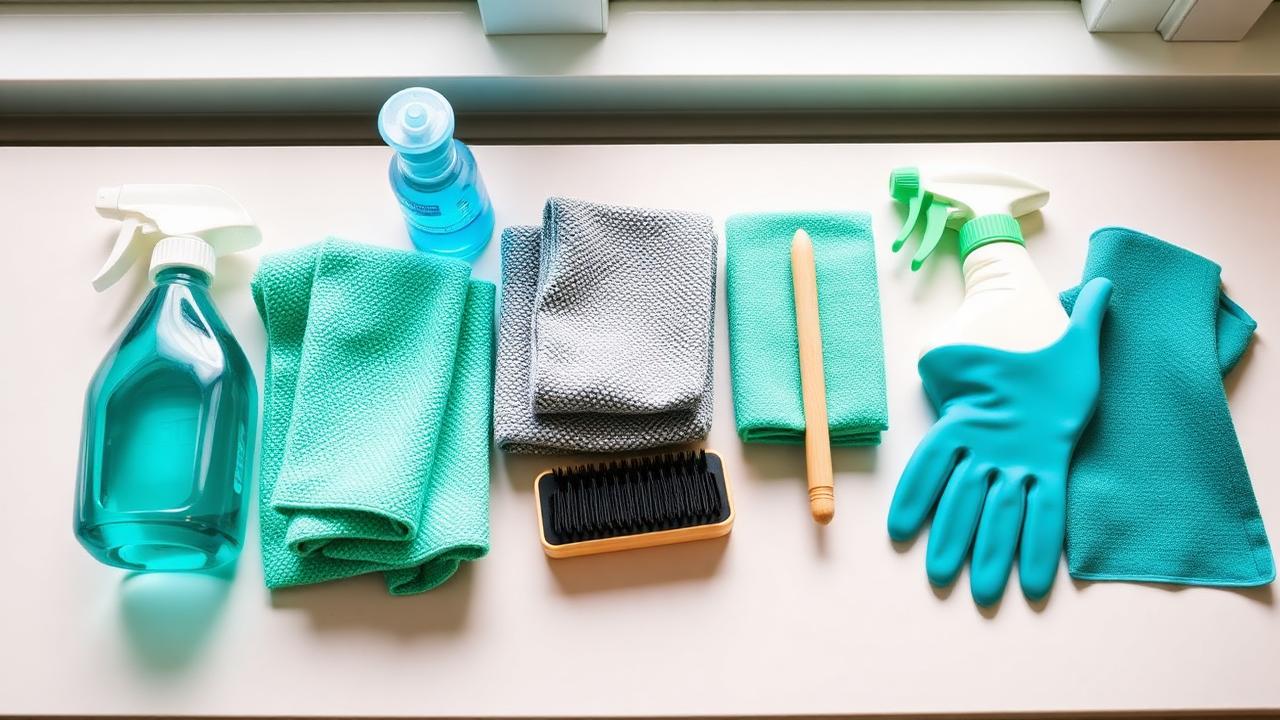
Gather your materials before starting to prevent water drips from drying into permanent streaks on the baseboards.
Required Equipment
- 2 clean 5-gallon plastic buckets (one for washing, one for rinsing)
- 3 to 4 premium microfiber cloths (non-dyed or colorfast white)
- Soft-bristle vacuum brush attachment or microfiber dust mop
- Non-abrasive sponge
- Step ladder
- Dry microfiber drying towels
Safe Cleaning Solutions
- Everyday Dust & Light Grime: 1 gallon warm water + 1 teaspoon mild dish soap (such as Dawn or Castile soap).
- Kitchen Grease & Fingerprints: 1 gallon warm water + 1/2 cup distilled white vinegar (5% acidity) + 1 teaspoon dish soap.
- Spot Treatment Paste for Scuffs: 2 tablespoons baking soda + 1 tablespoon water mixed into a smooth paste.
Step-by-Step Guide to Washing Painted Walls
Step 1: Dry Dusting and Debris Removal
Never apply wet solutions to dusty walls; moisture turns loose dirt into muddy streaks that settle into paint pores. Attach a soft brush head to your vacuum and run it from the ceiling downward in vertical passes. Alternatively, use a dry, clean microfiber floor mop over the wall surface, paying special attention to corners, crown molding, and baseboards.
Step 2: Set Up the Two-Bucket System
Fill Bucket A with your warm soapy water solution. Fill Bucket B with plain, clean lukewarm water for rinsing. This system ensures you never reapply lifted dirt back onto the wall surface.
Step 3: Perform a Hidden Spot Test
Select an inconspicuous area—such as behind a door or low behind a piece of furniture. Dip your microfiber cloth into the soap solution, wring it out completely, and wipe a 4-inch patch. Let it dry for 10 minutes. Inspect the area with a flashlight for color transfer onto the cloth, sheen changes, or blistering before proceeding to visible areas.
Step 4: Wash from Top to Bottom
Work in small sections, roughly 3 feet by 3 feet. Dip a microfiber cloth into the cleaning solution and wring it out thoroughly until no water drips when squeezed. Wipe the wall using smooth, overlapping circular motions without pressing hard into the drywall.
Step 5: Rinse and Dry Immediately
Dip a separate cloth into the clean water bucket, wring it dry, and wipe over the washed section to lift residual soap residue. Soap left on paint attracts ambient dust rapidly. Immediately follow with a dry microfiber towel to remove lingering moisture and prevent water spotting.
Paint Finish Cleaning and Tolerance Comparison
| Paint Finish | Moisture Tolerance | Recommended Solution | Scrub Resistance | Best Application Areas |
|---|---|---|---|---|
| Flat / Matte | Low | 1 tsp dish soap per 1 gal water | Very Low | Ceilings, adult bedrooms |
| Eggshell | Moderate | 1 tsp dish soap per 1 gal water | Low to Moderate | Living rooms, dining areas |
| Satin | Moderate-High | 1/2 cup vinegar + 1 tsp soap / gal | Moderate | Hallways, family rooms |
| Semi-Gloss | High | 1/2 cup vinegar + 1 tsp soap / gal | High | Kitchens, bathrooms, trim |
| High-Gloss | Very High | Mild all-purpose surface cleaner | Very High | Doors, cabinets, architectural trim |
Tackling Stubborn Stains Without Peeling Paint
When routine washing fails to remove concentrated marks, use targeted spot treatments instead of aggressive scrubbing.
- Grease Splatters: Apply the warm water, vinegar, and dish soap mixture directly to a microfiber cloth. Hold the damp cloth against the grease spot for 30 seconds to dissolve oils, then gently wipe away.
- Scuff Marks: Dip a damp cloth lightly into baking soda. Dab the scuff gently along the grain of the mark. Baking soda has a low Mohs hardness rating of 2.5, making it safer than melamine foam sponges (Magic Erasers), which act like ultra-fine sandpaper and strip matte/eggshell sheens.
- Crayon and Wax: Place a clean paper towel over the mark and warm it briefly with a hair dryer on medium heat for 5 to 10 seconds. The heat melts the wax into the towel. Wipe residual pigment with soapy water.
- Pencil and Pen Marks: Use a standard art gum eraser. Rub lightly in one direction rather than back-and-forth to avoid tearing the paint film.
Wall Cleaning Maintenance Schedule
Consistent maintenance reduces the need for deep, moisture-heavy cleaning that risks paint integrity over time.
- Monthly: Dust high-traffic baseboards, corners, and light switches with a dry microfiber wand to stop dust buildup.
- Quarterly: Spot-clean fingerprints around door handles, light switch plates, and entryways using a damp soapy cloth.
- Annually: Perform a full top-to-bottom dry vacuuming and gentle wash of high-exposure rooms (kitchens, bathrooms, children's playrooms) before spring or fall.
Frequently Asked Questions
Can I use a Magic Eraser to clean painted walls?
Use melamine foam sponges with extreme caution. Melamine acts as a micro-abrasive abrasive equivalent to 3000-grit sandpaper. While it removes marks on durable semi-gloss trim, it will permanently dull the sheen on matte, eggshell, and satin walls, leaving visible light spots.
Will vinegar take paint off walls?
Diluted distilled white vinegar (1/2 cup per gallon of water) is safe for most cured latex and oil-based paints. However, undiluted vinegar or prolonged exposure to acidic solutions can weaken latex paint binders and cause dulling or softening.
How do I wash walls without leaving streaks?
Streaks occur when dirty water runs down the wall or when soap residue dries in place. Prevent streaks by wringing cloths until barely damp, cleaning in small sections, rinsing with clean water, and hand-drying each section immediately with a dry towel.
How long should I wait to clean newly painted walls?
Wait at least 30 days before washing newly painted walls. While latex paint feels dry to the touch within a few hours, it requires 21 to 30 days to fully cure and reach its maximum chemical and scrub resistance.
Cleneus is reader-supported. Pages carry display advertising and some outbound product links may earn us a commission, which never changes the methods we recommend. Read our disclosure.