
How to Clean a Wooden Cutting Board with Lemon and Salt
Learn how to clean, deodorize, and sanitize your wooden cutting board naturally using coarse salt and fresh lemon. Step-by-step eco-friendly guide.
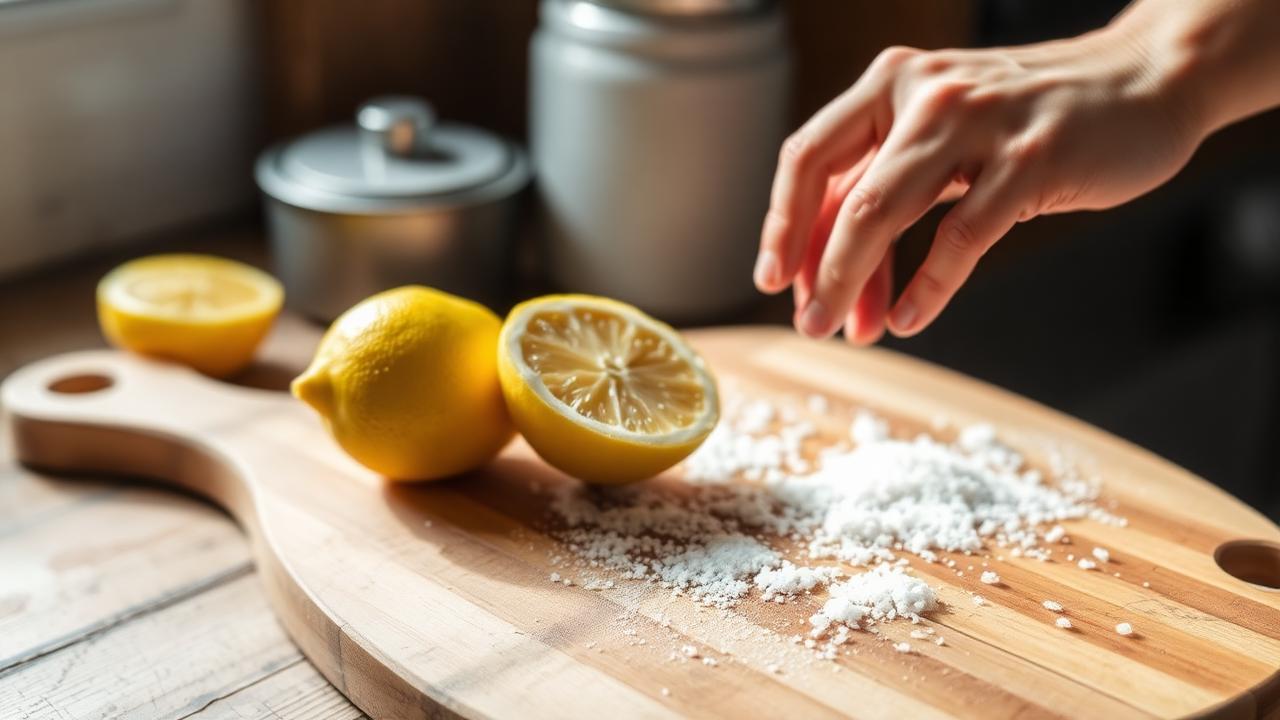
To clean a wooden cutting board with lemon and salt, sprinkle 2 tablespoons of coarse sea salt or kosher salt across the dry board, then scrub the surface vigorously using the cut side of half a fresh lemon. Squeeze the lemon slightly as you work in circular motions along the wood grain to release the juice, forming a scouring paste. Let the mixture sit for 5 to 10 minutes to pull out deep-set odors and lift stains, scrape away the residue with a bench scraper or spatula, and rinse the board with warm water (100°F to 110°F). Stand the board upright to air-dry completely for at least 12 to 24 hours.
Why the Lemon and Salt Method Works
Wooden cutting boards—whether made of end-grain maple, edge-grain walnut, cherry, or bamboo—are porous materials that absorb liquids, food particles, and aromatic compounds. Cleaning them with harsh detergents or chlorine bleach can strip natural resins, degrade wood fibers, and leave toxic chemical residues. The combination of coarse salt and fresh lemon provides an eco-friendly, food-safe alternative that cleans through mechanical abrasion and chemical action:
- Citric Acid (pH 2.0–2.6): The natural citric acid in lemon juice breaks down grease, dissolves alkaline stains from vegetables and proteins, and creates an inhospitable acidic environment for odor-causing bacteria.
- Abrasive Osmotic Salt: Coarse salt crystals act as a non-damaging physical abrasive to scour out microscopic food particles lodged inside knife grooves. Chemically, salt exerts osmotic pressure, drawing trapped moisture, stale juices, and bacteria up to the wood surface where they can be wiped away.
- Natural Deodorizer: Lemon contains d-limonene, an organic compound found in citrus peels that neutralizes stubborn sulfur and allium odors left behind by garlic, onions, and raw proteins.
Materials and Tools Required
Gather the following kitchen essentials before starting the cleaning process:
- Coarse Salt: 2 to 3 tablespoons of coarse kosher salt, coarse sea salt, or coarse Himalayan pink salt (avoid fine iodized table salt, as it dissolves too quickly and lacks scouring grit).
- Fresh Lemon: 1 medium-to-large fresh lemon, cut horizontally in half.
- Scraper Tool: A stainless steel bench scraper, a rigid silicone spatula, or the flat edge of a metal spatula.
- Wiping Cloths: 2 clean microfiber cloths or lint-free cotton kitchen towels.
- Warm Water: Tap water between 100°F and 110°F (never boiling water, which can warp wood glue joints).
- Food-Grade Board Finish: 1 tablespoon of 100% pure food-grade mineral oil or beeswax-mineral oil board butter (for post-cleaning maintenance).
Step-by-Step Cleaning Instructions
Step 1: Clear and Dry the Board
Remove any loose food scraps from the cutting board with a damp cloth. Wipe the board thoroughly with a dry towel so the surface is slightly dry to the touch. Applying salt to a dripping-wet board causes the crystals to dissolve immediately, eliminating the abrasive action needed to scour the wood grain.
Step 2: Apply the Coarse Salt
Scatter 2 tablespoons of coarse salt evenly across the surface of the board. If you are cleaning a large butcher block (larger than 16x20 inches), increase the quantity to 3 or 4 tablespoons. Concentrate extra salt over areas with heavy knife scarring, dark stains, or persistent food smells.
Step 3: Scrub with the Lemon Half
Place one half of the lemon cut-side down onto the salted board. Apply firm downward pressure and scrub the board using tight, circular motions. Work systematically from one end of the board to the other, following the direction of the wood grain wherever possible. Squeeze the lemon gently as you scrub to release fresh juice into the salt. The mixture will transform into a thick, gritty, slightly frothy grey-yellow paste as it lifts organic debris from the wood fibers. Continue scrubbing for 2 to 3 minutes.
Step 4: Allow the Solution to Dwell
Once the entire surface—including the sides and edges—has been thoroughly scrubbed, leave the salty lemon paste on the board for 5 to 10 minutes. This dwell time allows the citric acid to bleach light organic stains naturally and lets the salt extract deep-seated moisture and volatile aromas from the knife cuts.
Step 5: Scrape and Rinse
Hold a bench scraper or stiff spatula at a 45-degree angle against the board and firmly scrape the dirty paste into a sink or compost bin. Next, dampen a clean microfiber cloth in warm water (around 105°F) and wipe the board down to remove any remaining salt granules. If needed, rinse the board under a gentle stream of warm running tap water for no longer than 10 to 15 seconds. Never submerge or soak a wooden board in a sink filled with water.
Step 6: Proper Drying
Immediately wipe both sides of the board with a dry cotton towel to pull up surface moisture. Place the board on its edge or lean it upright in a dish drying rack so air circulates freely around all sides. Allow it to dry completely in a well-ventilated area for at least 12 hours. Drying a board flat against a countertop traps moisture underneath, leading to wood cupping, warping, and mold growth.
Lemon and Salt vs. Alternative Cleaning Methods
Different cleaning agents yield distinct results on hardwood boards. Here is how the lemon and salt technique compares to other common household solutions:
| Method | Abrasive Action | Deodorizing Power | Wood Safety | Best Use Case |
|---|---|---|---|---|
| Lemon & Salt | High (Coarse grit) | High (Citrus oils) | Excellent (100% natural) | Deep cleaning, stain removal, and odor elimination |
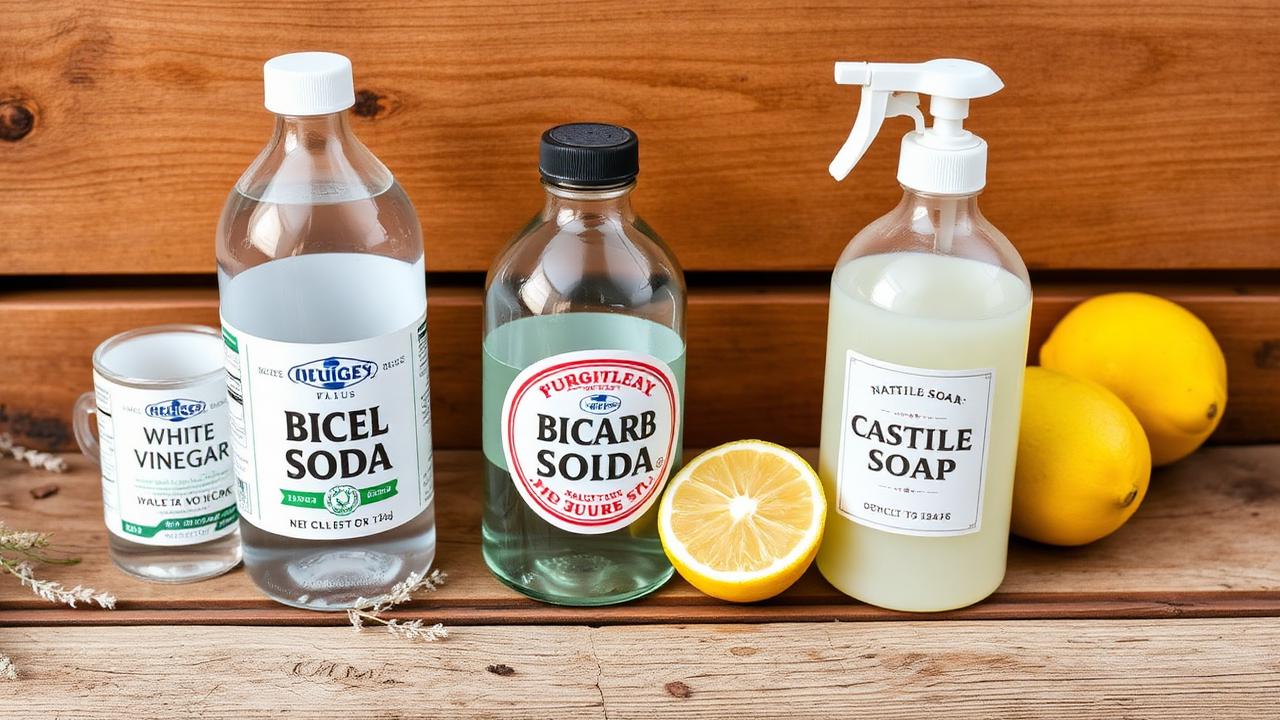
| Baking Soda & Water | Medium (Mild grit) | Moderate | Excellent | Neutralizing acidic stains without citrus |
| Diluted White Vinegar | None | Moderate (Leaves vinegar scent) | Good (Use 1:1 with water) | Quick sanitizing wipe after light vegetable prep |
| Dish Soap & Warm Water | None | Low | Moderate (Can dry wood out) | Everyday post-meal surface washing |
| Bleach Solution | None | Low (Leaves harsh odor) | Poor (Weakens lignin fibers) | High-risk raw poultry contamination only |
Restoring Moisture: Seasoning After Cleaning
Because citric acid and salt strip surface oils alongside dirt, you must recondition your wooden cutting board once it has dried completely. Mineral oil prevents the wood from drying out, cracking, and splitting along glued seams.
- Select the Right Oil: Use pure USP-grade food-grade mineral oil or an organic blend of mineral oil and beeswax. Never use vegetable oils (such as olive, canola, or vegetable oil), as they contain unsaturated fats that oxidize and turn rancid, ruining the board.
- Application: Pour roughly 1 tablespoon of mineral oil onto the center of the dry board. Spread it evenly over the top, bottom, and all four edges using a clean, lint-free cloth or a dedicated oil applicator.
- Absorption: Let the oil penetrate the wood for 4 to 8 hours (or overnight). Wipe away any excess, unabsorbed oil with a clean cloth before using the board for food preparation.
Frequent Mistakes to Avoid
- Putting the Board in the Dishwasher: High heat (up to 160°F) and prolonged water exposure inside dishwashers will delaminate glued wood joints and warp solid timber beyond repair.
- Using Fine Table Salt: Fine salt dissolves immediately in lemon juice without providing the mechanical friction necessary to scour knife grooves.
- Leaving Lemon Juice on Wood Overnight: Citric acid is an active acid; leaving it on untreated wood for hours can break down natural wood fibers and cause uneven discoloration. Stick to a 5-to-10-minute dwell time.
- Soaking in Water: Immersing a wooden cutting board causes wood cells to swell unevenly, resulting in structural stress, bowing, and splitting as the board dries.
Frequently Asked Questions
How often should I clean my wooden board with lemon and salt?
For standard home kitchens, perform a deep lemon-and-salt cleaning once every 2 to 4 weeks. If you frequently chop pungent ingredients like raw garlic, onions, or seafood, use this method immediately after food prep to prevent odors from penetrating the wood.
Does lemon and salt sanitize a board after cutting raw meat?
Lemon and salt significantly reduce bacterial loads and lift organic residue, but they do not achieve hospital-grade sterilization. For boards exposed to raw poultry or red meat, scrub with hot soapy water first, followed by a mist of 3% food-safe hydrogen peroxide or diluted white vinegar (1:1 with water), then finish with the lemon and salt treatment for odor removal and deep scouring.
Can I use bottled lemon juice instead of fresh lemon?
Fresh lemon is significantly more effective because the half-lemon acts as an ergonomic, fibrous scouring sponge, and the lemon peel releases d-limonene oils during scrubbing. If using bottled lemon juice, combine 2 tablespoons of juice with 2 tablespoons of coarse salt and scrub with a non-scratch nylon scrub sponge.
What should I do if my cutting board still smells like onions?
If strong allium odors linger, make a thick paste using 2 tablespoons of baking soda, 1 tablespoon of coarse salt, and 1 tablespoon of fresh lemon juice. Spread the paste across the board, scrub firmly with a brush, allow it to sit for 15 minutes, then scrape, rinse, and dry thoroughly.
Cleneus is reader-supported. Pages carry display advertising and some outbound product links may earn us a commission, which never changes the methods we recommend. Read our disclosure.