
How to Descale a Fixed Shower Head Without Removing It
Learn how to descale a fixed shower head without removing it using white vinegar, citric acid, and the plastic bag method in under an hour.
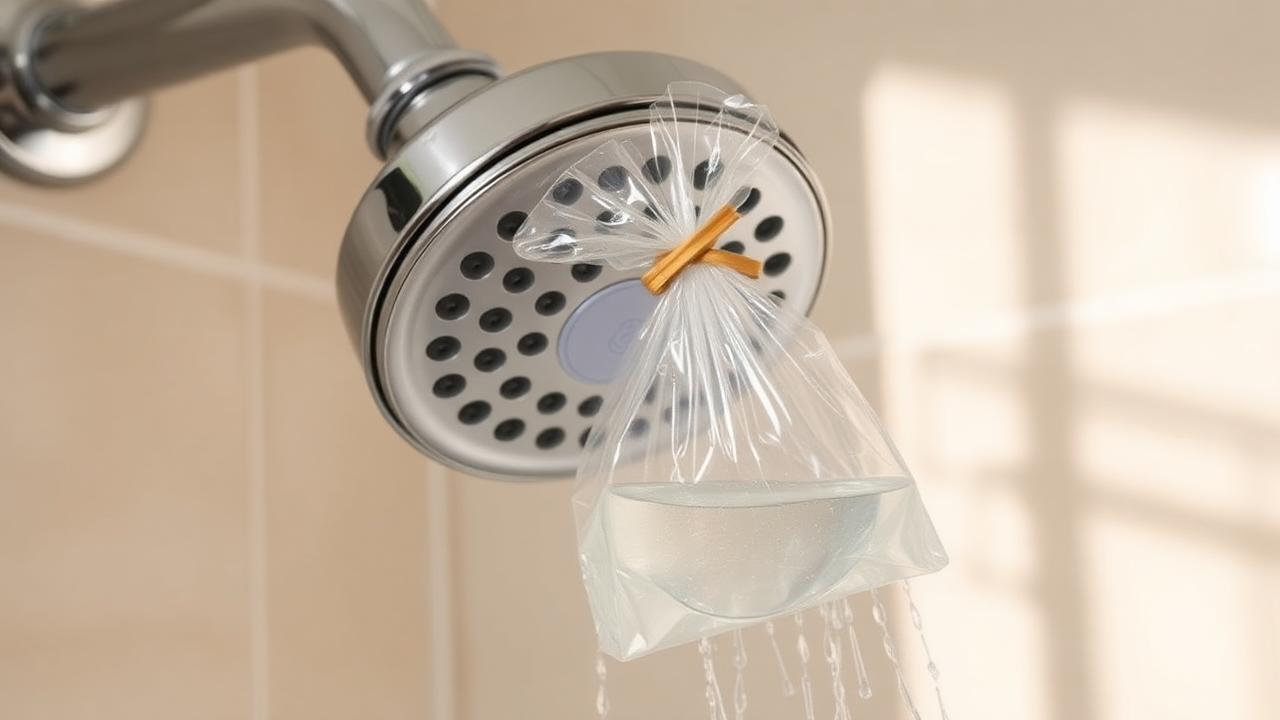
To descale a fixed shower head without removing it, submerge the fixture in a heavy-duty plastic bag filled with a 1:1 mixture of warm water and 5% distilled white vinegar (or 100% undiluted vinegar for severe scale), secure it tightly around the neck with a heavy rubber band or zip tie, and allow it to soak for 30 to 60 minutes. After soaking, remove the bag, scrub the mineral-crusted nozzles with an old nylon toothbrush, poke stubborn jet holes with a safety pin or toothpick, and run hot water at full pressure for two minutes to flush out dislodged calcium deposits.
Why Limescale Forms on Fixed Shower Heads
Limescale is the chalky, off-white deposit left behind by hard water. Water containing high concentrations of dissolved minerals—predominantly calcium bicarbonate ($Ca(HCO_3)_2$) and magnesium ions—passes through your plumbing. When water exits the nozzle and evaporates, these minerals precipitate out as solid calcium carbonate ($CaCO_3$).
Over time, these crystalline deposits narrow the water channels, block individual rubber or metal jets, skew the spray pattern, and significantly reduce water pressure. Because overhead wall-mounted and rainfall shower heads are plumbed directly into the wall pipe, removing them risks stripping decorative threads, cracking aging pipe joints, or damaging internal O-rings. Descaling the unit in place eliminates these plumbing risks while fully restoring flow rate.
Essential Supplies and Chemical Dilution Ratios
Gather the following household tools and descaling agents before you begin:
- Distilled White Vinegar (5% Acidity): 250 ml to 500 ml (1 to 2 cups), depending on the diameter of the shower head.
- Food-Grade Citric Acid Powder (Alternative): 30 grams (2 tablespoons) dissolved in 250 ml of warm water (approx. 45°C / 113°F).
- Gallon-Sized Sealable Freezer Bag: Heavy-duty polyethylene (minimum 2.5 mil thickness) to prevent punctures from shower head corners.
- Fasteners: 2 to 3 thick elastic rubber bands, a sturdy cable zip tie, or hook-and-loop velcro straps.
- Scrubbing Tool: A soft-bristled nylon toothbrush or detail cleaning brush.
- Mechanical Clearing Tool: A standard sewing needle, safety pin, or wooden toothpick.
- Microfiber Cloths: Two clean, lint-free cloths for drying and buffing.
Step-by-Step Guide: The Plastic Bag Immersion Method
Step 1: Prep and Dry the Fixture
Wipe the exterior of the shower head with a dry microfiber cloth to remove soap scum, hair, and surface grime. This prevents organic debris from contaminating the acid bath and allows a clear view of the mineral buildup on the faceplate.
Step 2: Prepare the Descaling Solution
Pour 250 ml to 500 ml of distilled white vinegar into the plastic bag. For heavy, rock-hard encrustations, use 100% undiluted vinegar. If you are cleaning delicate plated finishes, mix 50% vinegar with 50% warm tap water to lower the acid concentration.
Step 3: Secure the Bag Over the Shower Head
Carefully slip the bag over the shower head until the entire faceplate and all spray nozzles are fully submerged in the liquid. Gather the excess plastic tightly around the shower neck or drop arm. Wrap an elastic rubber band around the gathered plastic 4 to 5 times until snug. If the shower head is large or heavy, reinforce the rubber band with a zip tie to eliminate the risk of the bag slipping off mid-treatment.
Step 4: Set the Soak Duration Based on Finish
Chemical contact time is critical. The acetic acid dissolves calcium carbonate via an acid-base neutralization reaction, but prolonged exposure can etch decorative surface coatings. Adhere strictly to these timing parameters:
- Chrome and Stainless Steel: Soak for 45 to 60 minutes (maximum 90 minutes for extreme blockage).
- Solid Brass (Uncoated): Soak for 30 minutes.
- Brushed Nickel, Matte Black, and Oil-Rubbed Bronze: Soak for a maximum of 15 to 20 minutes using a diluted 1:1 vinegar-to-water ratio.
- Plastic/Silicone Faceplates: Soak for 60 minutes.
Step 5: Remove, Scrub, and Clear Blocked Jets
Carefully snip the zip tie or unwrap the rubber band while holding the bottom of the bag. Slowly remove the bag and dump the solution down the shower drain. Immediately scrub the faceplate with a wet, soft-bristled toothbrush. Apply light, circular pressure to dislodge loosened calcium flakes from the silicone or metal nubs.
If individual spray channels remain clogged, gently insert a sewing needle or wooden toothpick into each blocked orifice to break up internal calcification. Avoid forcing thick metal tools into tiny holes, as this can permanently distort the spray pattern.
Step 6: High-Pressure Flush and Polish
Turn the shower valve to the hottest setting and run the water at maximum pressure for 2 full minutes. This purges remaining acid residue, loosened limescale chips, and mineral sediment from inside the nozzle channels. Turn off the water and buff the entire fixture dry with a clean microfiber cloth to prevent fresh water spots from developing.
Alternative Method: Citric Acid Paste for Rain Shower Heads
Large, ceiling-mounted rainfall shower heads are often too broad for a standard plastic bag. In these situations, use a citric acid paste:
- Mix 50 grams of food-grade citric acid powder with 20 grams of baking soda and 20 ml of warm water to create a thick, spreadable paste.
- Coat the entire nozzle faceplate with the paste using an old paintbrush or gloved fingers.
- Cover the paste with plastic cling wrap, pressing it firmly against the faceplate so the paste stays moist and in contact with the nozzles.
- Leave the paste on for 30 to 45 minutes, peel away the plastic wrap, scrub with a nylon brush, and flush with hot water.
Descaling Methods Comparison
| Method | Active Agent | Optimal Soak Time | Best For | Finish Safety |
|---|---|---|---|---|
| Bag Immersion | 5% Distilled White Vinegar | 30–60 mins | Standard wall-mounted fixed heads | High (Chrome/Steel); Moderate (Nickel/Bronze) |
| Citric Acid Bath | 8% Citric Acid Solution | 20–30 mins | Severe limescale & hard water crust | High (All metal alloys except unsealed brass) |
| Paste Application | Citric Acid + Sodium Bicarbonate | 30–45 mins | Overhead ceiling rain panels | Safe for all standard fixtures |
| Commercial Sulfamic Descaler | Sulfamic/Phosphoric Acid | 5–10 mins | Industrial-grade mineral buildup | Caution: May strip PVD and matte coatings |
Preventative Maintenance to Stop Limescale Re-Buildup
Mineral accumulation is an ongoing process. To keep fixed shower heads running at peak pressure without constant deep-cleaning, adopt these maintenance practices:
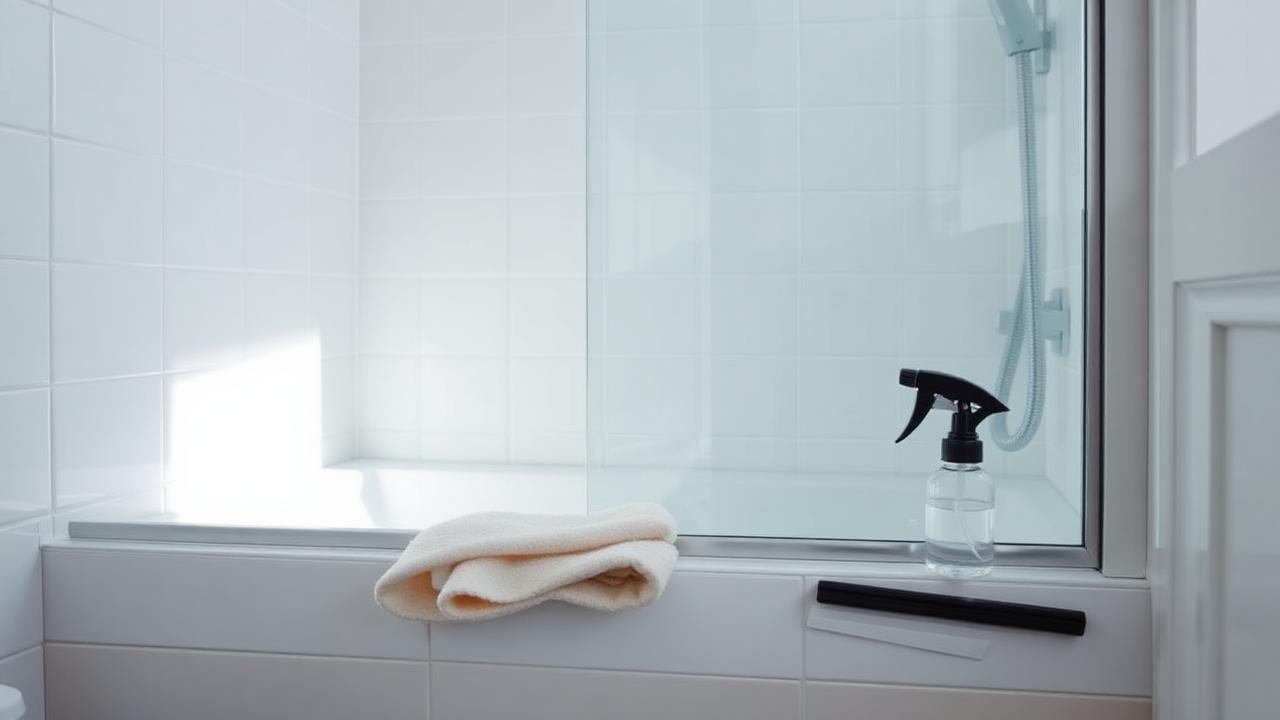
- Post-Shower Wipe-Down: After the final shower of the day, use a dry microfiber cloth or squeegee to wipe standing droplets off the shower faceplate. Eliminating standing water stops mineral crystallization.
- Weekly Acid Mist: Keep a 500 ml spray bottle filled with a 1:3 ratio of white vinegar and distilled water in the bathroom. Once a week after showering, mist the nozzle faceplate, wait 5 minutes, and rinse with hot water.
- Silicone Nub Manipulation: If your shower head features flexible silicone nozzles, rub your thumb firmly across the rubber tips every couple of weeks while the water is running. This physically breaks up internal mineral crusts before they solidify.
Frequently Asked Questions
Can vinegar ruin a matte black or brushed nickel shower head?
Yes, prolonged exposure to acetic acid can corrode, discolor, or strip the protective physical vapor deposition (PVD) coating on matte black, oil-rubbed bronze, and brushed nickel fixtures. To protect these finishes, dilute the vinegar 1:1 with warm water, limit soak times to no more than 15 minutes, and rinse thoroughly.
Can I leave the vinegar bag on the shower head overnight?
No. Leaving vinegar on a shower head overnight is unnecessary and can cause permanent damage. Acetic acid will slowly attack the nickel plating beneath chrome, degrade rubber internal gaskets, and cause pitting in metal housings. Stick to a 30- to 60-minute window for safe, effective results.
What is the difference between cleaning with vinegar versus baking soda?
Vinegar is an acid (pH ~2.5) that chemically breaks down alkaline mineral salts like calcium carbonate. Baking soda is a mild base (pH ~8.3) and does not dissolve limescale on its own. While mixing them creates a bubbling reaction, the resulting solution is primarily water and sodium acetate, which has significantly weaker descaling power than pure vinegar.
Why is water still spraying sideways after descaling?
Sideways spray occurs when a mineral flake breaks free inside the nozzle but remains trapped in the orifice. Take a fine sewing needle or safety pin and insert it directly into the misaligned jet while the shower is running on low pressure to dislodge the trapped grit.
Cleneus is reader-supported. Pages carry display advertising and some outbound product links may earn us a commission, which never changes the methods we recommend. Read our disclosure.