
How to Dissolve Thick Soap Scum Buildup on an Acrylic Tub
Learn how to dissolve thick soap scum on an acrylic tub using safe, scratch-free DIY solutions and commercial cleaners with exact dwell times.
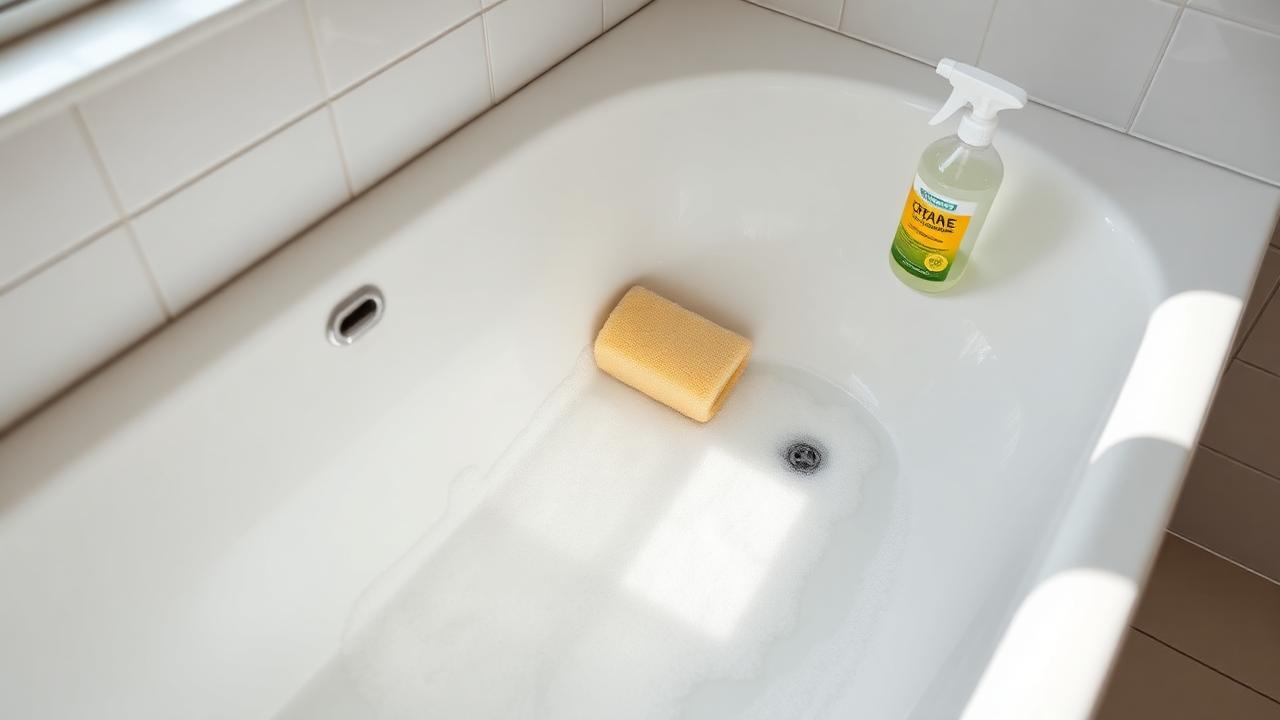
To dissolve thick soap scum buildup on an acrylic tub without damaging the glossy finish, spray a heated 1:1 mixture of distilled white vinegar (5% acidity) and concentrated blue Dawn dish soap onto the surface, let it dwell for 30 to 45 minutes, and wipe it away with a non-scratch microfiber cloth or sponge. For mineralized, rock-hard soap scum, apply a paste of 3 parts baking soda and 1 part 3% hydrogen peroxide, allow it to sit for 20 minutes, and rinse with warm water (105°F to 115°F).
Why Acrylic Tubs Require Specialized Soap Scum Removal
Soap scum forms when animal fats (tallow) and fatty acids in bar soaps combine with dissolved calcium and magnesium ions in tap water, creating an insoluble compound known as calcium stearate. Over time, layers of dead skin cells, body oils, and bath products bind to this substance, hardening into a stubborn, waxy crust.
While porcelain and cast-iron tubs can withstand abrasive scouring pads and aggressive acids, acrylic is a synthetic polymethyl methacrylate (PMMA) plastic. It is non-porous and warm to the touch, but it is chemically sensitive and easily scratched. Using abrasive scrubbing powders, stiff wire brushes, or harsh industrial solvents will cause micro-abrasions across the acrylic. These micro-scratches permanently dull the tub's sheen and create microscopic grooves where soap scum, mildew, and grime accumulate even faster.
Method 1: Heated Distilled White Vinegar and Dish Soap (Best Overall)
This is the most effective DIY method for breaking down heavy soap scum. The acetic acid dissolves mineral and calcium bonds, while the surfactants in the dish soap break down waxy lipids and oils.
Supplies Needed:
- 1 cup (240 ml) distilled white vinegar (5% acidity)
- 1 cup (240 ml) concentrated liquid dish soap (such as blue Dawn)
- Microwave-safe measuring container
- Heavy-duty spray bottle
- Non-scratch cellulose sponge or microfiber wash mitt
- Dry microfiber towels
Step-by-Step Instructions:
- Heat the vinegar: Pour 1 cup of white vinegar into a microwave-safe container and heat on high for 60 to 90 seconds until it reaches approximately 120°F to 130°F (49°C to 54°C). Warm acid penetrates thick soap scum significantly faster than room-temperature acid.
- Mix the solution: Pour the hot vinegar into your spray bottle, add 1 cup of dish soap, and gently swirl the bottle to combine. Do not shake aggressively, or excessive foam will form inside the bottle.
- Coat the tub: Spray the warm solution liberally over all affected acrylic surfaces, paying special attention to the waterline, corners, and areas near the drain. The viscous soap prevents the vinegar from running down the walls, allowing it to cling to vertical surfaces.
- Set the dwell time: Let the mixture sit undisturbed for 30 to 45 minutes. For extreme, multi-year buildup, let it dwell for up to 60 minutes.
- Wipe and agitate: Wet your non-scratch sponge with warm tap water and wipe the tub in circular motions. The dissolved scum will slide off in sheets.
- Rinse and dry: Rinse the entire tub with hot water (110°F to 120°F) using a handheld showerhead or a clean pitcher. Buff dry immediately with a clean microfiber towel to prevent water spots.
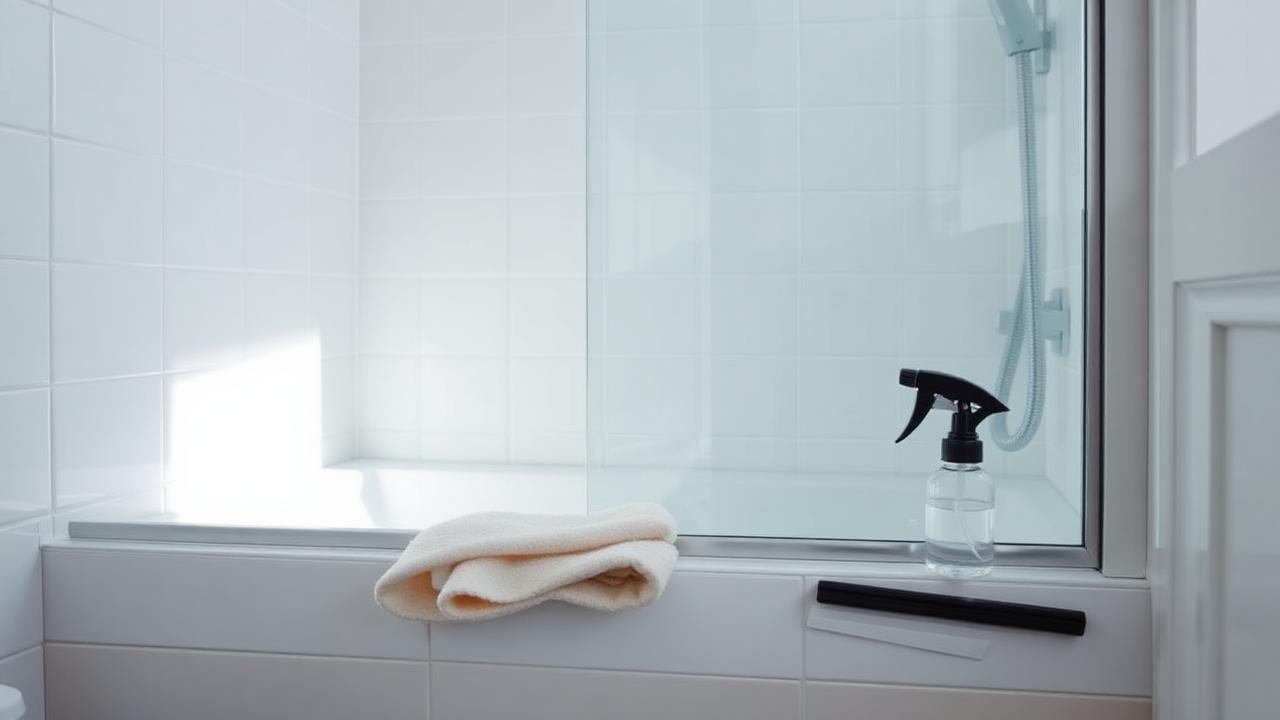
Method 2: Baking Soda and Hydrogen Peroxide Paste (For Discolored Scum)
When soap scum combines with hard water rust or body oils, it often turns yellow or orange. A mild alkaline paste gently lifts stains and cuts through organic residue without scratching acrylic.
Supplies Needed:
- ¾ cup (180 g) baking soda (sodium bicarbonate)
- ¼ cup (60 ml) 3% hydrogen peroxide
- Small mixing bowl and silicone spatula
- Soft-bristled nylon utility brush (acrylic-safe) or microfiber cloth
Step-by-Step Instructions:
- Blend the paste: In a bowl, combine the baking soda and hydrogen peroxide until it forms a thick spreadable consistency similar to toothpaste.
- Apply to thick buildup: Use the spatula or gloved fingers to spread a ¼-inch layer of paste directly over the thickest soap scum patches.
- Let sit: Allow the paste to dwell for 15 to 20 minutes. The hydrogen peroxide oxidizes organic stains while the mild effervescence loosens the scum layer.
- Gently agitate: Use a soft-bristled nylon brush or damp microfiber cloth to rub the paste in small circles. Baking soda has a Mohs hardness rating of approximately 2.5, making it softer than acrylic (Mohs 3.0), meaning it cleans without scouring the plastic.
- Rinse thoroughly: Wash away all residue with warm water and dry the surface.
Method 3: Food-Grade Citric Acid Spray (Odor-Free Alternative)
If you dislike the strong smell of vinegar, citric acid provides powerful chelation to dissolve calcium stearate deposits.
Supplies Needed:
- 3 tablespoons (45 g) food-grade citric acid powder
- 16 oz (475 ml) warm water (approx. 110°F / 43°C)
- 1 teaspoon liquid castile soap or dish soap
- Spray bottle
Step-by-Step Instructions:
- Dissolve the powder: Add the citric acid powder to warm water in a spray bottle. Shake vigorously until all granules are completely dissolved. Add the dish soap and invert the bottle gently to mix.
- Apply and dwell: Spray generously onto dry soap scum. Let the citric acid dwell for 20 to 30 minutes. Keep the surface damp by misting lightly if it begins to dry.
- Wipe clean: Wipe down with a damp microfiber cloth and rinse with clean water.
Soap Scum Removal Methods Compared
| Method / Cleaner | Key Active Ingredient | Recommended Dwell Time | Best Suited For | Acrylic Safety |
|---|---|---|---|---|
| Vinegar + Dawn | Acetic Acid + Surfactants | 30–45 minutes | Thick, greasy soap scum layers | Safe (100% scratch-free) |
| Baking Soda + Peroxide | Sodium Bicarb + H2O2 | 15–20 minutes | Yellowed or stained soap scum | Safe (Non-abrasive) |
| Citric Acid Spray | Citric Acid | 20–30 minutes | Hard water mineral + soap scum | Safe |
| Commercial Foaming Cleaners (e.g., Zep, Scrubbing Bubbles) | Citric/Sulfamic Acid or Quat Compounds | 5–10 minutes | Fast, regular maintenance cleaning | Safe (Check label for acrylic) |
Chemicals and Tools to Never Use on Acrylic
- Abrasive Powders: Cleaners containing silica, feldspar, or quartz (such as Comet or Ajax) will permanently haze and scratch acrylic.
- Scouring Pads: Green Scotch-Brite pads, steel wool, and copper mesh will cut into the polymer surface. Only use blue non-scratch pads, soft sponges, or microfiber.
- Aerosol Solvents and Acetone: Acetone, nail polish remover, paint thinners, and unbuffered solvent degreasers will melt or warp acrylic plastic.
- Pure Bleach: Prolonged exposure to concentrated sodium hypochlorite can degrade acrylic resins and turn white tubs yellow over time.
- Pumice Stones: Pumice stones are designed for porcelain and will leave deep, irreparable gouges on acrylic.
How to Prevent Soap Scum Buildup on Acrylic Tubs
- Switch to Liquid Body Wash: Bar soaps contain saponified animal fats and vegetable oils that react with hard minerals. Synthetic liquid body washes and gels do not produce calcium stearate.
- Squeegee After Every Bath or Shower: Keep a 10-inch silicone squeegee in the shower and wipe down the tub walls immediately after use. Removing standing droplets prevents mineral-scum adhesion.
- Apply an Acrylic-Safe Marine Wax or Shower Shield: Once the tub is fully clean and dry, apply a polymer-based sealant or carnauba-based marine wax formulated for fiberglass/acrylic. This creates a hydrophobic barrier that makes water sheet off effortlessly for up to 3 months.
Frequently Asked Questions
Will vinegar damage my acrylic bathtub if left on too long?
Standard 5% distilled white vinegar is a mild organic acid that will not dissolve acrylic plastic. However, you should avoid leaving vinegar on the tub for more than 2 hours continuously, and always rinse thoroughly, as prolonged acidic contact can degrade rubber drain gaskets and silicone caulking.
Can I use a Magic Eraser on an acrylic tub?
Use Magic Erasers with extreme caution. Melamine foam acts as an ultra-fine sandpaper (equivalent to 3000–4000 grit). While it will remove soap scum, frequent or aggressive use will gradually strip the high-gloss shine from your acrylic tub, leaving a dull, matte finish that collects dirt faster.
How do I know if my tub is acrylic or fiberglass?
Acrylic and fiberglass look similar, but acrylic is generally warmer to the touch, has a deeper, more consistent color, and flexes less under pressure. Both materials require the same gentle, non-abrasive cleaning methods, so the vinegar-and-dish-soap technique is safe for both.
Why does the soap scum feel like rough sandpaper?
Rough, sandpaper-textured soap scum indicates that hard water minerals (calcium carbonate and magnesium) have fully crystallized with the soap residue. Acidic cleaners like warm vinegar or citric acid are required to break the mineral bonds before the waxy soap film can be wiped away.
Cleneus is reader-supported. Pages carry display advertising and some outbound product links may earn us a commission, which never changes the methods we recommend. Read our disclosure.