
How to Get Burnt Popcorn Smell Out of Microwave Permanently
Eliminate burnt popcorn smell from your microwave permanently with fast, step-by-step steam cleaning, deodorizing methods, and filter care.
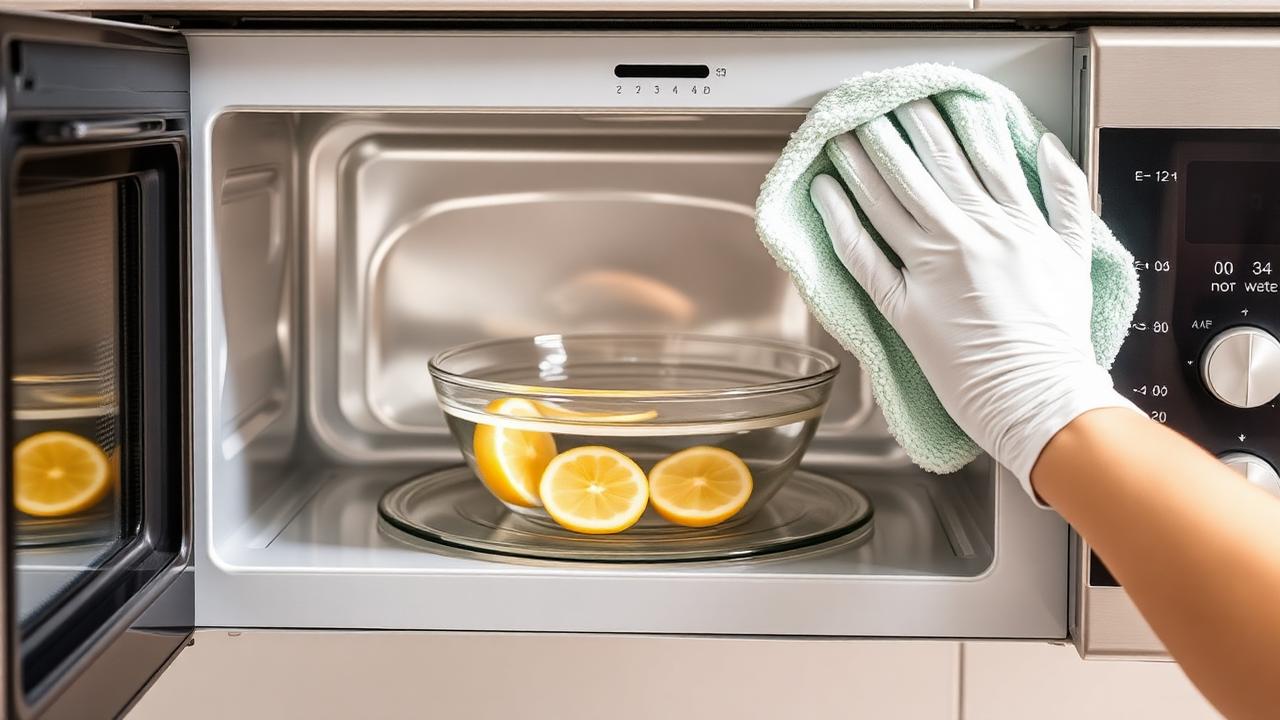
To get burnt popcorn smell out of a microwave permanently, steam-clean the interior cavity using a solution of 1 cup of water and 2 tablespoons of distilled white vinegar (or 1 sliced fresh lemon) microwaved on high power for 4 to 5 minutes. Allow the steam to penetrate the stuck-on oils for 10 minutes before opening the door, then wipe down all internal surfaces with a microfiber cloth and leave an open bowl of activated charcoal or baking soda inside overnight to neutralize remaining volatile organic compounds.
Why Burnt Popcorn Smell Lingers
Popcorn kernels contain starch, water, and aromatic oils. When overheated, these oils scorch and release 2-acetyl-1-pyrroline along with acrid, carbonized compounds that aerosolize and coat every square inch of the appliance. This greasy residue bonds strongly to the plastic turntable support, rubber door gaskets, ceiling splatter shields, and internal exhaust vents, continuing to off-gas every time the microwave is opened or operated.
Step-by-Step Method to Remove Burnt Popcorn Odor Permanently
Step 1: The Steam-Loosening Protocol
Never scrub a scorched microwave dry, as this can scratch the enamel or plastic lining and push odor-causing soot deeper into the pores of the appliance.
- Fill a microwave-safe glass bowl (such as Pyrex) with 240 ml (1 cup) of water.
- Add 30 ml (2 tablespoons) of 5% distilled white vinegar or the juice of one fresh lemon along with its spent halves.
- Place the bowl in the center of the turntable.
- Run the microwave on high power for 4 to 5 minutes until the liquid boils vigorously and fills the cavity with dense, acidic steam.
- Do not open the door immediately. Allow the closed unit to sit undisturbed for 10 to 15 minutes to allow the steam to emulsify the baked-on grease.
Step 2: Wash Detachable Components
The glass turntable and plastic roller ring absorb concentrated smoke residues and must be sanitized separately.
- Remove the glass tray and the plastic rotating ring assembly.
- Wash both components in a sink filled with hot water (approximately 45°C to 50°C) and 1 teaspoon of concentrated grease-cutting dish soap (such as Dawn Ultra).
- If the plastic ring retains a yellowed scorch mark or smoke odor, coat it with a paste of 3 parts baking soda to 1 part water, let it rest for 20 minutes, and scrub gently with a soft-bristled brush.
- Rinse thoroughly with clean water and dry completely before reinserting.
Step 3: Wipe Down the Cavity and Gaskets
While the internal walls remain moist from the vinegar steam, wipe away the loosened grease films systematically.
- Use a clean, damp microfiber cloth to wipe the ceiling of the microwave cavity, where vaporized oils collect in the highest concentrations.
- Wipe the side walls, paying close attention to the mica sheet or plastic waveguide cover on the right-hand wall. Clean this cover gently without saturating or bending it.
- Clean the interior glass door and the flexible rubber or silicone perimeter gasket. Smoke residue trapped in the door seal is one of the most common reasons burnt odors persist after surface cleaning.
- Finish by drying all interior surfaces with a clean lint-free towel.
Overnight Deodorizing Methods
If trace odors remain trapped in the ventilation channels, an ambient odor-absorption step will eliminate the residual scent without requiring additional heat cycles.
Option A: Activated Charcoal (Most Effective)
Place 100 grams of activated charcoal pellets or an open bamboo charcoal deodorizer bag on the turntable. Close the microwave door and let it sit undisturbed for 12 to 24 hours. Activated charcoal possesses a massive surface area with microscopic pores that permanently trap volatile smoke molecules through adsorption.
Option B: Baking Soda (Sodium Bicarbonate)
Pour 150 grams (approximately 1 cup) of pure baking soda into a wide, shallow dish to maximize exposed surface area. Place it inside the closed microwave overnight. The alkaline sodium bicarbonate chemically neutralizes the acidic airborne compounds produced by burnt organic matter.
Option C: Fresh Coffee Grounds
Place 4 tablespoons of dry, freshly ground dark-roast coffee in an open container inside the unit. The natural nitrogen and volatile aromatic oils in coffee actively absorb sulfurous and burnt notes while leaving a clean scent. Leave inside for 12 to 16 hours.
Comparison of Microwave Odor Removal Methods
| Method | Active Ingredients | Contact Time | Effectiveness | Best For |
|---|---|---|---|---|
| Vinegar Steam | 240 ml water, 30 ml 5% white vinegar | 15 minutes | High | Breaking down fresh carbonized grease on cavity walls |
| Lemon Steam | 240 ml water, 1 whole sliced lemon | 15 minutes | High | Removing mild smoke odors while leaving a natural citrus scent |
| Baking Soda Paste | 3:1 ratio of baking soda to tap water | 20 minutes | Moderate | Spot-cleaning stubborn burnt spatters and plastic roller rings |
| Activated Charcoal | 100 g loose pellets or air-purifying bag | 12–24 hours | Very High | Eliminating deep-set, chronic burnt popcorn odor from vents |
| Dry Coffee Grounds | 4 tbsp fresh dry ground coffee | 12–16 hours | Moderate-High | Neutralizing smoke while masking residual odors |
Addressing Over-the-Range (OTR) Microwave Filters
If your microwave is mounted above a stove, the burnt popcorn smoke likely entered the internal recirculating or external exhaust system. Cleaning the cooking cavity alone will not resolve the issue if the filters are saturated with smoke.
- Aluminum Grease Filters: Remove the metal mesh filters located on the underside of the unit. Submerge them in boiling water mixed with 60 grams of baking soda and 15 ml of dish soap for 15 minutes, then rinse and dry thoroughly.
- Charcoal Recirculating Filters: Over-the-range units operating without an external duct rely on an internal charcoal filter located behind the top exhaust grille. Carbon filters cannot be washed; if burnt smoke was drawn into the exhaust fan, replace this filter with an OEM replacement part immediately.
Frequently Asked Questions
Can a burnt popcorn smell permanently damage a microwave?
No, the smell itself will not damage the microwave. However, severe scorching can damage the mica waveguide cover or leave heavy carbon deposits that may cause electrical arcing (sparking) during future use. If you see charred, dark brown burn marks on the waveguide cover, replace that component.
Why does burnt popcorn smell worse than other burnt foods?
Popcorn contains complex starches, proteins, and specialized aromatic hydrocarbons that rapidly break down into sulfur-like and nitrogenous compounds when carbonized. These microscopic oil droplets atomize under microwave radiation and adhere aggressively to cool plastic and rubber surfaces.
Will boiling vinegar in the microwave damage the interior components?
No. Distilled white vinegar diluted with water produces a mild acetic acid vapor that is safe for standard interior microwave finishes, including coated steel, stainless steel, and tempered glass. Avoid using industrial-strength cleaning vinegars (above 6% acidity) or letting concentrated acid sit on the mica waveguide cover for extended periods.
How long does it take for burnt popcorn smell to go away naturally?
Without cleaning, burnt popcorn odor can persist for 3 to 6 weeks. The trapped carbonized oils in the door seals and exhaust pathways slowly oxidize and off-gas every time the room temperature rises or the appliance runs.
Can I use bleach to remove burnt popcorn odor?
No. Never use chlorine bleach inside a microwave. Bleach fumes are hazardous in an enclosed food-preparation space, and chlorine can corrode interior metal surfaces and degrade the flexibility of the door gaskets, creating a potential radiation seal leak.
Cleneus is reader-supported. Pages carry display advertising and some outbound product links may earn us a commission, which never changes the methods we recommend. Read our disclosure.