
How to Get Old Set-In Ink Stains Out of a Cotton Shirt
Learn how to remove old, set-in ink stains from cotton shirts using proven solvents, exact soaking ratios, and step-by-step cleaning techniques.
To remove old, set-in ink stains from a 100% cotton shirt, saturate the dried stain with 91% isopropyl alcohol or liquid hand sanitizer, let it dwell for 15 to 30 minutes, and blot the pigment away using clean paper towels. After flushing with cold water, pretreat the spot with a concentrated liquid enzyme laundry detergent, then submerge the entire garment in an oxygen bleach bath (2 tablespoons of sodium percarbonate per 1 gallon of 120°F warm water) for 4 to 8 hours before laundering in warm water. Air-dry the garment to confirm the pigment is entirely gone.
Why Set-In Ink Stains Are Difficult to Remove
Cotton is a highly absorbent natural cellulose fiber. When wet ink contacts cotton, the liquid carriers penetrate deep into the fiber core. Once run through a standard wash and dry cycle, the 130°F to 160°F heat of a mechanical dryer polymerizes the dyes, pigments, and synthetic binders, chemically bonding them to the cellulose matrix. Restoring the fabric requires re-solubilizing the dried solvent base and breaking the pigment bonds without degrading the cotton yarns.
Identifying the Type of Ink
Before applying solvents, determine which type of ink is embedded in your shirt to choose the most effective treatment protocol:
- Ballpoint Pen Ink: Oil-based paste made of dyes dissolved in fatty acids and glycols. Requires alcohol, mineral spirits, or solvent-based surfactants to dissolve.
- Gel Pen Ink: Water-based fluid with suspended pigment particles and biopolymer thickeners. Requires a combination of alcohol breakdown and deep enzyme surfactant lifting.
- Permanent Marker (Sharpie): Resin- and xylene/alcohol-based pigment. Requires potent solvents such as high-proof isopropyl alcohol, acetone (colorfast cotton only), or denatured alcohol.
- Fountain Pen Ink: Water-based dye. Highly responsive to long oxygen bleach soaks and warm water flushes.
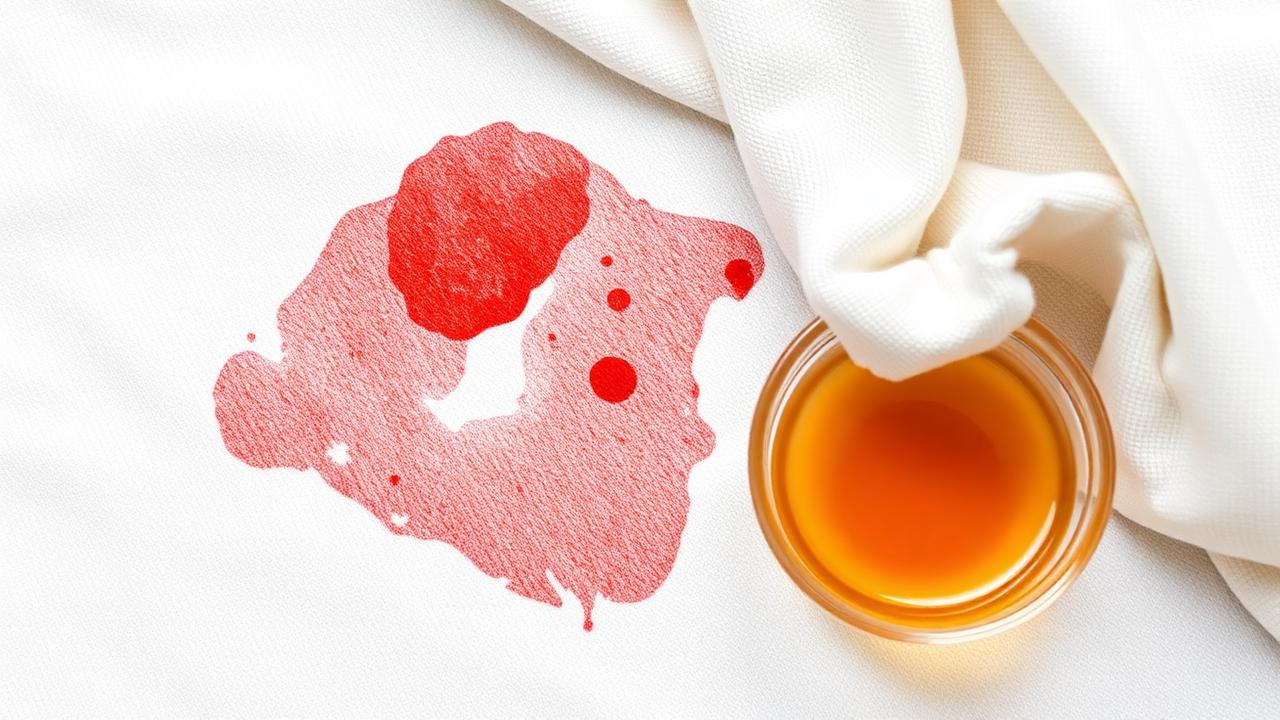
Essential Supplies and Equipment
- 91% Isopropyl Alcohol (or Denatured Alcohol)
- Heavy-duty liquid enzyme detergent (containing subtilisin, protease, and amylase)
- Liquid dish soap (degreasing formula)
- Oxygen-based bleach powder (100% Sodium Percarbonate or OxiClean)
- Vegetable glycerin (optional, for softening hardened ink crusts)
- White microfiber cloths or heavy-duty paper towels
- Clean piece of cardboard or plastic barrier
- Soft-bristled toothbrush
- Basin or 5-gallon bucket for soaking
Step-by-Step Guide to Removing Set-In Ink from Cotton
Step 1: Isolate the Fabric Layer
Place a thick piece of cardboard lined with white paper towels inside the cotton shirt, directly beneath the stained area. This prevents the liquefied ink pigment from bleeding through to the back of the shirt during solvent application.
Step 2: Rehydrate with Glycerin (For Extremely Brittle Stains)
If the ink stain has been dried and heat-set for months, apply 1 teaspoon of vegetable glycerin directly over the dried spot. Work it into the fibers with your fingertips and let it sit for 30 minutes. Glycerin acts as a humectant, softening the dried polymer binder so the solvent can penetrate the pigment.
Step 3: Saturate with 91% Isopropyl Alcohol
Pour enough 91% isopropyl alcohol directly onto the stain to thoroughly saturate the cotton fibers (approximately 1 to 2 tablespoons depending on stain size). Do not use 70% rubbing alcohol if 91% or 99% is available, as the higher alcohol concentration provides significantly stronger solvent power to break down the oil and resin base.
Allow the alcohol to dwell on the fabric for 15 to 20 minutes without letting it dry out completely. Add more alcohol dropwise if it begins to evaporate.
Step 4: Blot the Solubilized Ink
Using a clean, dry white paper towel or microfiber cloth, firmly press down on the stain. You will see the ink transfer immediately onto the towel. Rotate to a clean section of the towel with every blot to avoid reapplying lifted ink to the fabric. Never scrub back and forth; friction pushes liquefied pigment deeper into adjacent cotton fibers.
Step 5: Apply Enzyme Detergent and Dish Soap
Mix 1 teaspoon of grease-cutting liquid dish soap with 1 tablespoon of heavy-duty liquid enzyme laundry detergent. Apply this mixture directly to the remaining mark. Use a soft-bristled toothbrush to gently tamp the detergent into the weave using light, circular motions. Allow the detergent enzymes to digest the residual binders for 20 minutes.
Step 6: Perform a Hot-Water Flush
Hold the stained section under a faucet with the fabric turned inside-out. Run warm water (100°F to 110°F) at full pressure through the back of the stain. Flushing from the back pushes the suspended pigment particles out of the front face rather than forcing them deeper through the fabric.
Step 7: Deep Soak in an Oxygen Bleach Bath
Dissolve 2 tablespoons (1 scoop) of sodium percarbonate or oxygen bleach powder into 1 gallon of hot tap water (120°F to 130°F) until fully dissolved. Submerge the entire cotton shirt into the solution. Let the shirt soak for a minimum of 4 hours, or up to 8 hours (overnight) for black or red permanent inks. Oxygen bleach safely breaks down chromophore dye molecules without bleaching colored cotton fabrics.
Step 8: Machine Wash and Air-Dry
Wash the shirt in your washing machine on a standard cycle with warm water (105°F to 120°F) using your regular laundry detergent. Do not put the shirt in the dryer. Line-dry the garment in ambient air. Inspect the area under bright natural lighting once dry. If a faint shadow remains, repeat the alcohol blotting and oxygen bleach soak before applying any dryer heat.
Ink Removal Solvent Comparison Table
| Ink Type | Recommended Solvent | Dwell Time | Water Temp | Success Rate on Set-In Cotton |
|---|---|---|---|---|
| Ballpoint (Oil-Based) | 91% Isopropyl Alcohol | 15–30 mins | Warm (110°F) | 95% |
| Gel Pen (Water/Pigment) | Alcohol + Liquid Dish Soap | 20 mins | Warm (110°F) | 90% |
| Permanent Marker | Acetone or Denatured Alcohol | 10–15 mins | Hot (120°F) | 80–85% |
| Fountain Pen (Water-Based) | Oxygen Bleach Solution | 4–8 hours | Warm (105°F) | 98% |
| Highlighter (Fluorescent) | White Distilled Vinegar + Alcohol | 15 mins | Cold (70°F) | 95% |
Alternative Methods for Stubborn Ink Stains
1. Acetone or Nail Polish Remover (White Cotton Only)
For industrial permanent markers or lacquer-based inks on 100% white cotton, 100% pure acetone provides rapid solvency. Apply with a cotton ball, blot, and rinse immediately. Warning: Test a hidden seam first, and never use acetone on acetate, triacetate, or synthetic blends, as it dissolves the fibers.
2. Amodex Ink & Stain Remover
Amodex is an eco-friendly, cream-based commercial stain remover designed specifically for ink and dyes. Apply a nickel-sized amount directly to dry, set-in ink, rub it in with a stiff brush, and allow it to sit for 1 to 2 hours before washing.
3. Pure White Vinegar & Cornstarch Paste
For light ink shadows on colored cotton garments, combine 2 tablespoons of distilled white vinegar with 3 tablespoons of cornstarch to form a thick paste. Spread over the ink stain and let dry completely. The acid in the vinegar loosens the pigment while the cornstarch draws the ink upward as it dries. Brush off the dry powder and rinse.
Common Mistakes to Avoid
- Machine Drying Before Complete Removal: The high heat of a dryer permanently re-sets ink pigments. Always air-dry cotton shirts until you confirm the stain is 100% gone.
- Using Chlorine Bleach on Colored Cotton: Chlorine bleach weakens cotton fibers and permanently strips the shirt’s native dye, leaving yellow or white rings around the ink. Use oxygen bleach instead.
- Scrubbing with Wire Brushes or Abrasives: Cotton fibers fray under intense mechanical action, causing permanent pilling and fiber breakage. Use soft-bristled brushes and blotting motions only.
- Applying Hot Water First: Applying boiling water to fresh or semi-dried ink will cook the proteins and polymerize the pigments instantly. Start with room-temperature solvents and reserve hot water for the post-solvent oxygen soak.
Frequently Asked Questions
Can hand sanitizer remove old ink from a shirt?
Yes. Hand sanitizers that contain 70% to 85% ethyl or isopropyl alcohol can dissolve ink binders. Apply a generous gel layer, let it sit for 10 minutes, and blot away with a paper towel.
Does hairspray still work on set-in ink stains?
Hairspray only works if it contains high concentrations of alcohol (denatured alcohol or SD alcohol 40). Modern alcohol-free or low-alcohol hairsprays will not dissolve ink and will leave sticky conditioning polymers on the cotton fabric. Pure isopropyl alcohol is far more effective.
Can baking soda remove dried ink from cotton?
Baking soda alone will not dissolve oil- or solvent-based ink. However, a paste of baking soda and 91% rubbing alcohol provides mild abrasive lifting power for residual surface pigments after solvent treatment.
How do I get ink out of a colored cotton shirt without fading it?
Use 91% isopropyl alcohol combined with an oxygen bleach soak. Unlike chlorine bleach, oxygen bleach (sodium percarbonate) targets organic stains and synthetic dyes without stripping colorfast cotton dyes. Always conduct a 5-minute spot test on the inner hem before full treatment.
Cleneus is reader-supported. Pages carry display advertising and some outbound product links may earn us a commission, which never changes the methods we recommend. Read our disclosure.