How to Make Laundry Detergent: DIY Powder and Liquid Recipes
Learn how to make eco-friendly DIY laundry detergent with simple powder and liquid recipes. Save money and eliminate harsh synthetic chemicals.
To make your own eco-friendly laundry detergent, combine equal parts washing soda (sodium carbonate) and baking soda (sodium bicarbonate) with finely grated plant-based Castile soap. A standard batch requires 1 grated 5-ounce bar of Castile soap, 1 cup of washing soda, and 1 cup of baking soda, taking just 10 minutes to prepare and costing roughly $0.05 to $0.08 per load. This gentle, non-toxic formula breaks down surface tension, neutralizes odors, and lifts dirt without synthetic fragrances, optical brighteners, or artificial surfactants.
Why Make Your Own Laundry Detergent?
Commercial laundry detergents often contain synthetic surfactants, petroleum distillates, phosphates, and artificial fragrances that can irritate sensitive skin and pollute aquatic ecosystems. Making laundry detergent at home gives you complete control over your ingredients, significantly reduces plastic waste from single-use jugs, and costs a fraction of store-bought alternatives.
- Skin Safety: Eliminates linear alkylbenzene sulfonates, synthetic dyes, and synthetic perfumes that trigger contact dermatitis and eczema.
- Cost Efficiency: Lowers the cost per load from $0.25–$0.50 (commercial brands) down to $0.05–$0.10.
- Zero Microplastics: Avoids polyvinyl alcohol (PVA) casings found in laundry pods and sheets.
- Customizable Scents: Allows the use of pure essential oils like lavender, tea tree, or eucalyptus instead of artificial phthalate-laden fragrances.
Core Ingredients and Their Functions
Understanding the chemical purpose of each ingredient ensures you get optimal cleaning performance from every load:
- Washing Soda (Sodium Carbonate): A high-pH (around 11) alkaline salt that acts as a powerful water softener. It binds to dissolved minerals like calcium and magnesium, allowing cleaning agents to penetrate fabric fibers.
- Baking Soda (Sodium Bicarbonate): A mild alkaline compound (pH around 8.5) that deodorizes, neutralizes acidic stains, and brightens fabrics.
- Castile Soap Bar: A pure, vegetable oil-based soap (traditionally olive oil or coconut oil) that acts as a natural surfactant, lifting dirt, sebum, and oils from fibers.
- Oxygen Bleach (Sodium Percarbonate - Optional): A solid compound of sodium carbonate and hydrogen peroxide that brightens whites and removes tough stains without chlorine damage.
- Coarse Sea Salt or Epsom Salt (Optional): Acts as a natural water softener and prevents static cling.
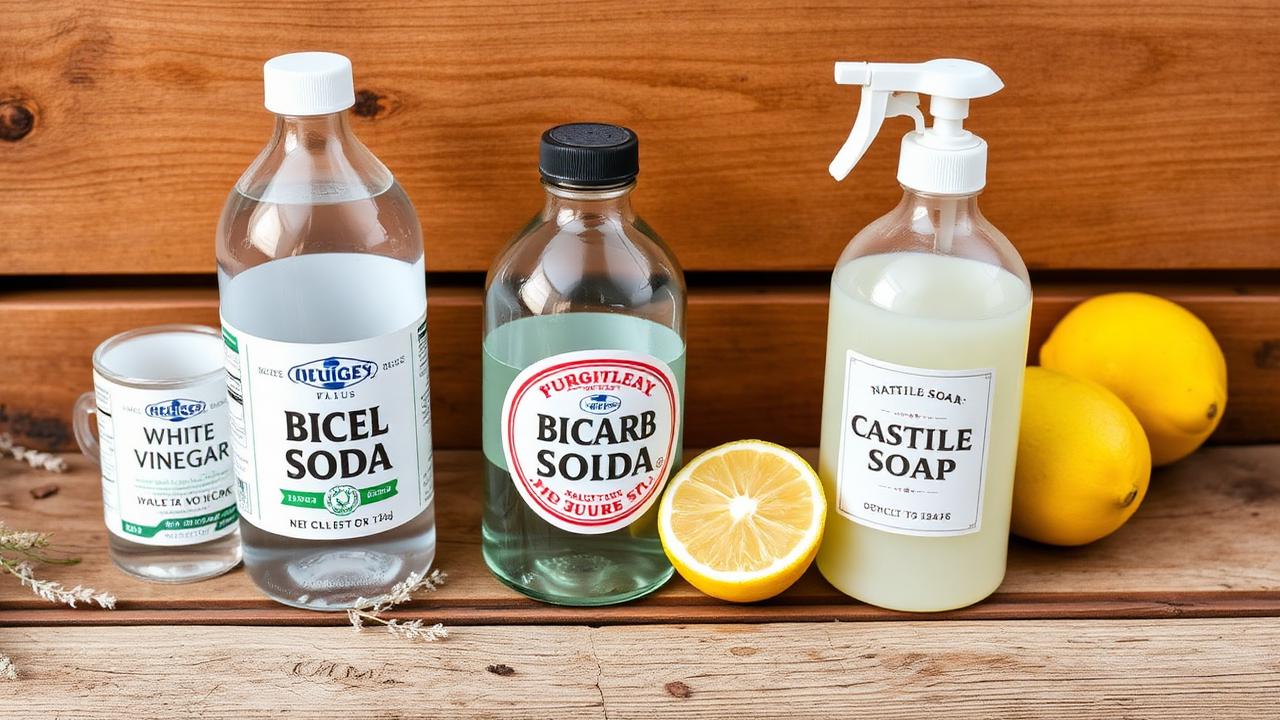
Recipe 1: DIY Powder Laundry Detergent
This dry formula is shelf-stable for up to 12 months, will not mold, and takes less than 15 minutes to assemble.
Ingredients & Equipment
- 1 bar (approx. 5 oz / 140 g) unscented Castile soap or pure coconut soap
- 1 cup (approx. 220 g) washing soda
- 1 cup (approx. 230 g) baking soda
- 1/2 cup (approx. 115 g) sodium percarbonate (oxygen bleach powder, optional for extra whitening)
- 20–30 drops 100% pure essential oil (such as lavender, sweet orange, or lemon; optional)
- Box grater or food processor
- Airtight glass jar or stainless steel container
Step-by-Step Instructions
Step 1: Grate the Soap
Using the fine side of a metal box grater or the shredding disk of a food processor, grate the bar of soap into fine flakes. If using a food processor, switch to the standard S-blade and pulse the grated soap with 1/2 cup of baking soda until it forms a uniform, powdery consistency. This prevents the soap from clumping.
Step 2: Combine the Powders
In a large glass or stainless steel mixing bowl, pour in the powdered soap, washing soda, remaining baking soda, and oxygen bleach (if using). Stir thoroughly using a wooden spoon or silicone spatula. Avoid inhaling the fine dust while mixing.
Step 3: Add Scent (Optional)
Drizzle the essential oil evenly over the powder mixture. Stir continuously to disperse the oils without creating moist clumps.
Step 4: Storage and Dosage
Transfer the powder into an airtight glass storage jar. Keep in a dry, cool location.
- Standard Load (Medium Soil): Use 1 tablespoon directly inside the washing machine drum before adding clothes.
- Heavy Load or Heavily Soiled: Use 2 tablespoons.
- Water Temperature: Works best at 85°F (30°C) and above to ensure complete soap dissolution. For cold cycles (below 70°F / 21°C), dissolve the powder in 1/2 cup of warm water before pouring into the drum.
Recipe 2: Concentrated Liquid Laundry Detergent
Liquid detergent disperses immediately in cold water cycles and is ideal for quick-wash settings.
Ingredients & Equipment
- 1 bar (approx. 5 oz / 140 g) unscented Castile soap
- 1 cup (approx. 220 g) washing soda
- 1/2 cup (approx. 115 g) baking soda
- 14 cups (approx. 3.3 liters) filtered or distilled water, divided
- Large stainless steel stockpot (at least 5-quart capacity)
- 1-gallon glass dispenser or repurposed clean detergent jug
Step-by-Step Instructions
Step 1: Melt the Soap Base
Finely grate the soap bar. In your stockpot, heat 4 cups of water to roughly 180°F (82°C)—steaming, but not boiling. Lower the heat and slowly whisk in the grated soap flakes. Maintain low heat, stirring continuously for 8 to 12 minutes until the soap is completely melted and no solids remain.
Step 2: Dissolve the Mineral Powders
Add the washing soda and baking soda directly to the warm soap mixture. Whisk vigorously for 2 to 3 minutes until all mineral granules fully dissolve into a slightly cloudy, viscous liquid.
Step 3: Dilute and Cool
Remove the pot from the heat. Pour in the remaining 10 cups of room-temperature distilled water. Whisk to blend. Allow the mixture to cool to room temperature (about 2 to 3 hours). As it cools, it will thicken into a loose, gel-like consistency.
Step 4: Bottle and Dose
Pour the liquid into your 1-gallon storage container using a funnel. Shake gently before each use, as natural separation may occur.
- Dosage: Use 1/4 cup (60 ml) per standard load added directly to the detergent dispenser drawer.
- Shelf Life: 6 months stored at room temperature.
Powder vs. Liquid DIY Detergent Comparison
| Feature | DIY Powder Formula | DIY Liquid Formula |
|---|---|---|
| Prep Time | 10–15 minutes | 25–35 minutes (plus cooling) |
| Shelf Life | 12 months | 6 months |
| Optimal Water Temp | Warm to Hot (>85°F / 30°C) | Any temperature (including Cold <70°F) |
| Cost per Load | $0.05 – $0.07 | $0.06 – $0.09 |
| Storage Space | Compact (1-quart jar) | Bulky (1-gallon jug) |
| Best For | Whites, linens, heavily soiled cottons | Darks, delicates, cold-water energy savers |
Tips for High-Efficiency (HE) Washers and Hard Water
High-efficiency (HE) washing machines require low-foaming detergents to prevent drum sensor errors and drainage malfunctions. Homemade detergents formulated with pure Castile soap and washing soda produce virtually zero suds, making them naturally HE-compatible.
- Drum Placement: Place powder detergents directly into the drum prior to loading garments rather than in the dispenser tray to avoid powder blockage.
- Hard Water Maintenance: If your home has hard water (above 7 grains per gallon or 120 ppm), add 1/4 cup of distilled white vinegar (5% acetic acid) to the fabric softener dispenser compartment. Vinegar breaks down any residual soap minerals, prevents fabric stiffness, and prevents scale buildup inside the machine's internal piping.
- Quarterly Machine Cleaning: Run an empty cleaning cycle every 90 days with 2 cups of white vinegar at 140°F (60°C) to dissolve any residual soap film.
Frequently Asked Questions
Can I use homemade detergent on cloth diapers or waterproof activewear?
Natural Castile-based detergents contain trace vegetable oils that can build up over time on synthetic microfibers, reducing the absorbency of cloth diapers and the breathability of water-repellent athletic gear. For these specific items, use an oil-free, plant-based commercial surfactant or pure sodium percarbonate washes.
What is the difference between washing soda and baking soda?
Baking soda (sodium bicarbonate, pH ~8.5) is a mild base suitable for odor neutralization. Washing soda (sodium carbonate, pH ~11) is significantly more alkaline, making it far more effective at cutting grease, breaking down body oils, and softening hard water. You cannot replace washing soda with baking soda without losing significant cleaning power.
Will homemade detergent fade dark clothing?
Washing soda has a high pH that can gradually fade delicate dyes if used repeatedly in hot water. For dark or delicate loads, use the DIY liquid recipe with cold water, or reduce the washing soda quantity by half.
Can I substitute bar soaps like Zote or Fels-Naptha for Castile soap?
Yes. Fels-Naptha and Zote are effective stain removers; however, they contain petroleum-derived ingredients, tallow (animal fats), and synthetic fragrances. For a strictly eco-friendly, non-toxic, and vegan detergent, stick to 100% plant-based Castile soap bars.
Cleneus is reader-supported. Pages carry display advertising and some outbound product links may earn us a commission, which never changes the methods we recommend. Read our disclosure.