How to Remove Old Floor Wax Build-Up from Linoleum: A Step-by-Step Guide
Learn how to strip stubborn, yellowed wax build-up from linoleum floors using safe DIY solutions or commercial strippers without damaging the material.
To remove old floor wax build-up from linoleum, apply a specialized pH-neutral linoleum wax stripper or a DIY solution of 1 cup unscented household ammonia and 1/2 cup liquid dish soap mixed into 1 gallon of warm water (approx. 110°F). Spread the solution over a 3x3-foot section, allow it to dwell for 8 to 10 minutes to soften the emulsified wax, agitate the surface with a non-scratch nylon scrubbing pad, and extract the slurry with a wet/dry vacuum. Finish by neutralizing the floor with a clean water and white vinegar rinse (1/4 cup vinegar per gallon of water) and drying thoroughly.
Understanding Linoleum vs. Sheet Vinyl
Before stripping your floor, confirm whether your flooring is authentic linoleum or synthetic sheet vinyl. True linoleum is made from natural linseed oil, pine rosin, wood flour, and jute backing. It is porous and sensitive to high-alkaline chemicals (pH above 10), which can cause ambering, drying, and irreversible brittle cracking. Sheet vinyl, by contrast, is synthetic PVC and can tolerate harsher chemical strippers. Always test any wax stripper on an inconspicuous area—such as under a refrigerator or inside a pantry—before treating the entire room.
Essential Tools and Materials
Gather all necessary equipment before starting. Working in controlled batches prevents the stripping solution from drying onto the floor surface.
- Wet/Dry Vacuum or Floor Squeegee: For rapid slurry extraction before wax re-hardens.
- Dual Buckets: One for the stripping solution and one for clean rinse water.
- Microfiber String Mop: For controlled liquid application and final rinsing.
- Non-Scratch Nylon Stripping Pad: Blue or green scouring pad designed for resilient floors (avoid black or brown heavy-duty pads, which gouge linoleum).
- Plastic Putty Knife: A 2-inch to 3-inch flexible plastic scraper for thick corner deposits (never use metal razor blades).
- Commercial Linoleum Stripper OR Household Stripping Mix: 1 gallon warm water, 1 cup ammonia, 1/2 cup gentle liquid dish soap.
- Distilled White Vinegar: To neutralize residual alkalinity.
- Personal Protective Equipment (PPE): Nitrile gloves, safety goggles, and adequate room ventilation.
Step-by-Step Linoleum Wax Stripping Process
1. Pre-Cleaning and Surface Preparation
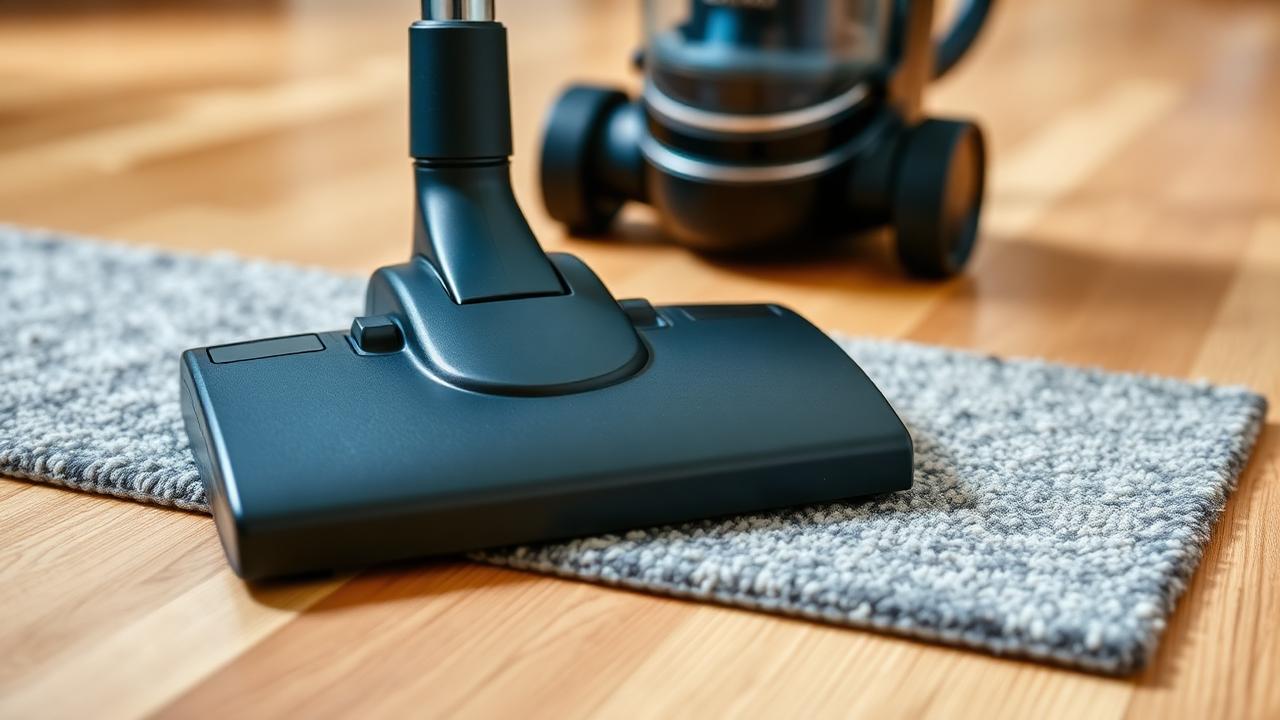
Clear all furniture, rugs, and appliances from the room. Thoroughly vacuum the floor using a bare-floor brush attachment to remove loose grit, hair, and dust. Dry particulate left on the floor acts like sandpaper during the scrubbing phase and will scratch the linoleum substrate.
2. Mix the Stripping Solution
For chemical strippers, dilute the product precisely according to the manufacturer's label using warm water (approx. 105°F–115°F). If using a DIY solution, mix 1 gallon of warm tap water with 1 cup of non-sudsing household ammonia and 1/2 cup of standard liquid dishwashing detergent in your wash bucket. Fill your second bucket with 1 gallon of cold water and 1/4 cup of distilled white vinegar for the neutralizing stage.
3. Apply and Allow Dwell Time
Working in manageable sections of roughly 9 to 12 square feet (3x3 feet or 3x4 feet), apply a liberal coat of the stripping solution using your mop. Do not flood the seams or perimeter baseboards, as excessive moisture can seep underneath and rot the jute backing. Let the solution dwell on the wax for 8 to 10 minutes. The active ingredients must soften and liquefy the oxidized acrylic or carnauba polymers. Keep the area damp; if the solution begins to dry, mist it with a small amount of warm water.
4. Agitate and Scrape
Scrub the softened wax using your non-scratch nylon scrubbing pad or a manual deck brush with soft-to-medium nylon bristles. Work in circular, overlapping patterns. You will feel the wax release as the solution turns into a milky, opaque, or yellow-brown slurry. Use your flexible plastic putty knife along edges, baseboards, and inside corners where floor buffers and mop heads miss build-up.
5. Slurry Extraction
Immediately remove the liquefied wax and chemical residue before it cools and re-bonds to the linoleum. Use a wet/dry vacuum with a squeegee wand attachment for the cleanest extraction. Alternatively, pull the slurry into a dustpan with a handheld rubber squeegee and wipe the residue with damp terry towels.
6. Neutralize and Rinse
Dunk a clean microfiber mop into the cold-water-and-vinegar solution, wring it out until damp, and mop the stripped section thoroughly. The mild acetic acid in the vinegar neutralizes residual alkaline stripping agents, restoring the linoleum’s natural surface pH (between 6.5 and 7.5). Change rinse water as soon as it becomes cloudy.
7. Final Inspection and Drying
Allow the section to air-dry completely or accelerate drying with an oscillating floor fan. Once dry, inspect the floor under bright light at an angle. Stripped linoleum appears matte and uniform. Shiny patches or cloudy yellow areas indicate remaining wax that requires a second targeted application.
Comparing Linoleum Stripping Methods
| Stripping Method | Active Chemistry / Base | Dwell Time | Best For | Safety / Surface Risk |
|---|---|---|---|---|
| Commercial Linoleum Stripper | Ethanolamine / Glycol Ethers (pH ~9.5) | 5–10 Minutes | Heavy commercial or thick multi-layer acrylic finishes | Low risk to linoleum if pH-balanced; requires good airflow |
| DIY Ammonia & Dish Soap | Ammonium Hydroxide (pH ~10.5) | 8–12 Minutes | Residential paste wax and moderate acrylic build-up | Moderate; avoid prolonged contact to prevent linseed oil degradation |
| Baking Soda & Vinegar Spot Paste | Mechanical Abrasive / Carbonate | 2–3 Minutes | Small scuffs, sticky residues, and tight baseboard corners | Very low; labor-intensive for whole-room stripping |
Protecting and Maintaining Linoleum Post-Stripping
Once all historic wax layers are removed, linoleum is left raw and porous. It requires protection to prevent staining and moisture intrusion:
- Apply a Dedicated Linoleum Sealer: Apply 2 thin coats of a breathable, water-based floor finish engineered specifically for linoleum (such as a pure acrylic emulsion with low VOCs).
- Avoid Paste Wax on Modern Linoleum: Traditional paste waxes attract dirt, yellow over time, and require solvent stripping. Use modern matte or satin liquid linoleum sealers instead.
- Establish a pH-Neutral Cleaning Routine: Clean weekly using a pH-neutral cleaner (pH 7.0) diluted in warm water. Avoid bleach, high-alkaline degreasers, or steam mops, which break down linoleum's natural binders.
Frequently Asked Questions
Can I use a steam mop to remove old wax from linoleum?
No. Steam mops drive high-temperature vapor (212°F+) directly into the seams and porous structure of linoleum. This heat can melt the natural linseed binders, crack the surface, and cause the jute backing to separate from the subfloor.
Why did my linoleum turn yellow or brown after stripping?
Yellowing or browning (often called linseed oil blooming or alkaline burn) happens when a stripping chemical with a pH greater than 10 or 11 is left on real linoleum too long. To fix mild discoloration, neutralize the floor immediately with a diluted white vinegar rinse and expose the area to natural ambient sunlight, which helps clear linseed oil discoloration over several days.
How do I know if all the old wax is removed?
Rub a clean, dry microfiber cloth or a coin gently across the floor. If the surface feels tacky, produces a white powdery scratch, or retains an uneven gloss, wax residue remains. Fully stripped linoleum has a consistent, smooth, matte texture.
Can I use a razor blade to scrape wax out of corners?
Never use steel or razor scrapers on linoleum. The natural composition of linoleum is relatively soft, and metal edges will gouge and slice the wear layer permanently. Always use a rigid plastic putty knife or non-scratch nylon detailing brush.
Cleneus is reader-supported. Pages carry display advertising and some outbound product links may earn us a commission, which never changes the methods we recommend. Read our disclosure.