How to Remove Pine Tree Sap from Outdoor Patio Cushions
Learn how to remove stubborn pine tree sap from outdoor patio cushions using ice, rubbing alcohol, and dish soap without damaging fabric.
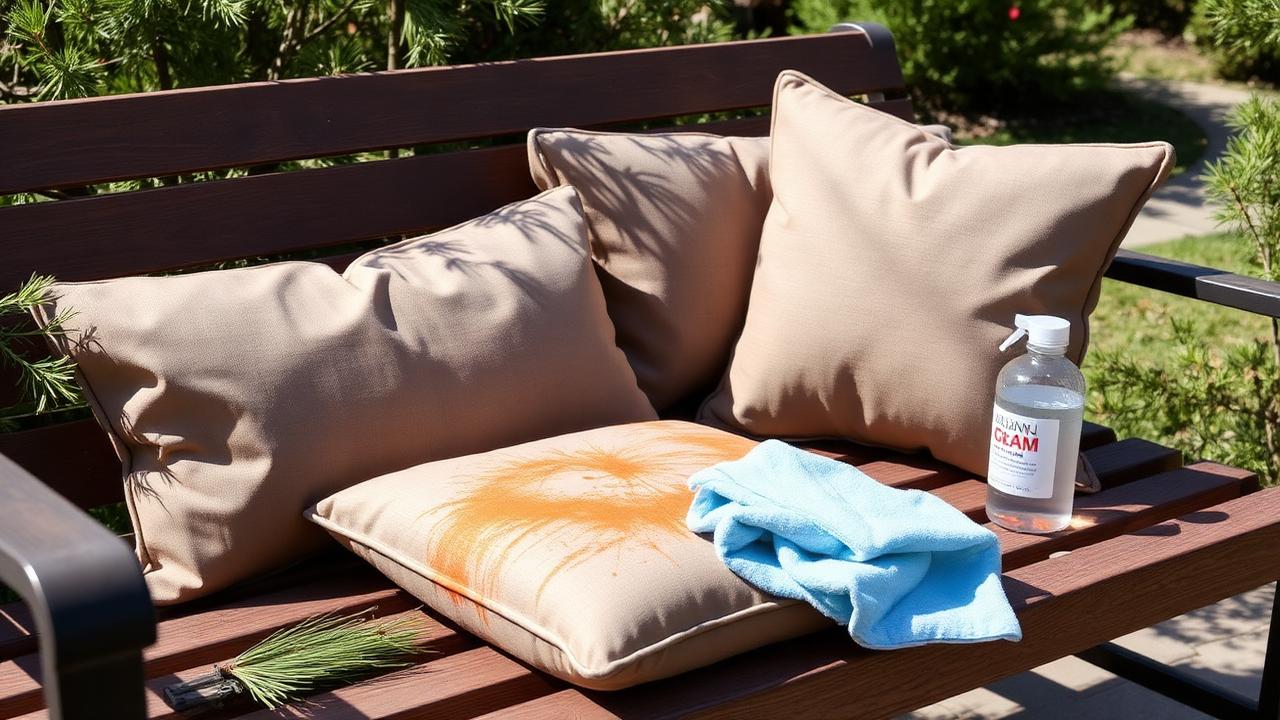
To remove pine tree sap from outdoor patio cushions, freeze the sap with an ice pack for 10 to 15 minutes, scrape off the hardened brittle top layer using a dull plastic scraper, and apply 91% isopropyl rubbing alcohol directly to the remaining residue using a microfiber cloth. Let the alcohol sit for 2 to 3 minutes to break down the sticky terpenes, blot the area clean, and wash with a solution of 1 teaspoon of liquid dish soap mixed into 2 cups of warm water (around 105°F). Rinse thoroughly with cold water and air-dry in direct sunlight.
Supplies and Tools Needed
Pine sap is a resinous hydrocarbon that does not dissolve in plain water. To remove it safely from outdoor performance fabrics such as Sunbrella, polyester, and olefin, assemble these specific supplies:
- Ice pack or zip-top bag of ice cubes: Used to solidify the sap so it snaps off the fabric fibers.
- Dull plastic putty knife, old gift card, or butter knife: For lifting hardened sap without tearing threads.
- 91% or 99% Isopropyl alcohol: The primary solvent for dissolving pine resin without bleaching dyed synthetic yarns.
- Dawn Ultra liquid dish soap: Cuts through residual oils and resins.
- Microfiber cleaning cloths and cotton rounds: Prevents lint transfer during blotting.
- Soft-bristled utility brush or old toothbrush: For working cleaning solutions into woven textures.
- Goo Gone or Mineral Spirits (optional): For dried, oxidized, multi-week-old sap deposits.
Step-by-Step Guide: The Ice and Alcohol Method
This method works best for fresh to moderately set sap on Sunbrella, solution-dyed acrylic, and polyester cushion covers.
Step 1: Freeze and Scrape the Excess Resin
Place an ice pack directly over the sap deposit for 10 to 15 minutes until the sap is completely rock-hard. Take a rigid plastic edge (such as a credit card or plastic scraper) held at a 45-degree angle and gently scrape away the top layer of hardened sap. Work slowly toward the center of the stain to prevent spreading the sticky resin into clean areas. Discard the flakes immediately before they melt.
Step 2: Dissolve the Resin Base with Isopropyl Alcohol
Saturate a clean white microfiber cloth or cotton round with 91% isopropyl alcohol. Press the soaked cloth directly onto the sap stain and hold it firm for 60 to 90 seconds to allow the alcohol to liquefy the remaining resin base. Using a fresh section of the cloth, blot firmly from the outside edge toward the center. Repeat this step with fresh alcohol until no more sticky residue transfers to the cloth.
Step 3: Degrease with Dish Soap Solution
Mix 1 teaspoon of grease-cutting liquid dish soap into 2 cups of warm water (approx. 100°F to 110°F). Dip a soft-bristled brush into the soapy water and gently agitate the treated spot in circular motions for 60 seconds. This lifts remaining sap oils and prevents solvent rings from drying onto the fabric.
Step 4: Rinse and Dry
Dampen a clean towel with cold water and press it firmly against the treated area to absorb all soap residue. Alternatively, rinse the spot with a gentle spray from a garden hose if the cushion cover has been removed. Prop the cushion upright in a well-ventilated, sunny area and allow it to dry completely for 4 to 6 hours before use.
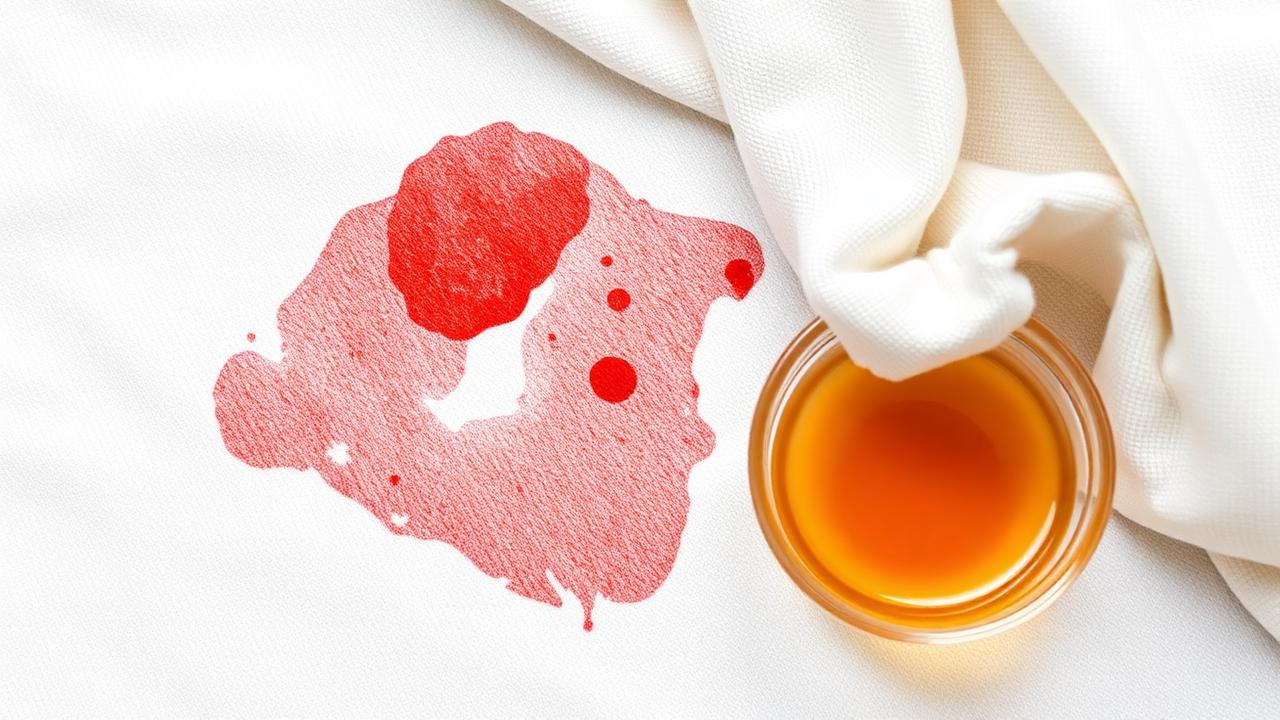
Removing Old, Baked-In Pine Sap (Commercial Solvents)
If pine sap has baked under summer sun for weeks, isopropyl alcohol alone may not penetrate the hardened amber shell. In this scenario, heavy-duty citrus solvents or mineral spirits are required.
Using Goo Gone or Citrus Degreasers
Apply 1 teaspoon of citrus-based solvent directly to the dried sap spot. Let the solvent dwell on the stain for 5 to 8 minutes. Gently work the area with a soft-bristled toothbrush to break apart the softened sap. Once dissolved, blot thoroughly with paper towels. Because citrus solvents leave an oily ring, follow immediately with a warm dish soap wash (1 tablespoon dish soap to 1 quart warm water) and rinse thoroughly.
Using Mineral Spirits or WD-40
For durable solution-dyed acrylics (like Sunbrella), odorless mineral spirits or standard WD-40 work as powerful sap removers. Apply a quarter-sized amount to a rag, dab onto the sap, wait 3 minutes, and wipe clean. Always perform a spot test on a hidden seam first to ensure the fabric dyes do not bleed or dissolve backing materials.
Pine Sap Solvent Comparison for Outdoor Fabrics
| Solvent Type | Best Fabric Compatibility | Dwell Time | Pros | Cons |
|---|---|---|---|---|
| 91%+ Isopropyl Alcohol | Sunbrella, Acrylic, Polyester, Olefin | 1–2 minutes | Evaporates cleanly; zero residue; fabric safe | Requires elbow grease on old, oxidized sap |
| Citrus Cleaner (Goo Gone) | Polyester, Olefin, Sunbrella | 5–8 minutes | Breaks down thick, caramelized sap quickly | Leaves oily film; requires thorough soap wash |
| Hand Sanitizer (Gel) | Polyester, Canvas, Duck Cloth | 3–5 minutes | Thick consistency stays in place on vertical edges | May contain fragrances/aloe that leave marks |
| Mineral Spirits | Solution-Dyed Acrylic only | 2–3 minutes | Dissolves heaviest resin deposits effortlessly | Can degrade polyurethane waterproof backings |
Fabric-Specific Care Instructions
Sunbrella and Solution-Dyed Acrylics
Sunbrella fibers are dyed to the core, making them extremely chemical-resistant. You can safely use 91% alcohol, mineral spirits, or diluted bleach solutions without causing fading. Avoid scrubbing with wire brushes or abrasive pads, which damage the fluorocarbon water-repellent finish. After cleaning, reapply a fabric guard spray (such as 303 High Tech Fabric Guard) to restore water repellency.
Printed Polyester and Canvas
Polyester with printed surface patterns is susceptible to solvent damage. Stick strictly to ice scraping and 70% to 91% isopropyl alcohol. Avoid acetone (nail polish remover), as acetone melts polyester fibers instantly. Test all solvents on the underside zipper flap before treating surface stains.
Vinyl and PVC Mesh
Do not use mineral spirits or acetone on outdoor vinyl cushions or PVC sling chairs, as these solvents dissolve the plasticizers and cause cracking. Use isopropyl alcohol, baby oil, or cooking oil to dissolve the sap, followed by a heavy wash with warm soapy water.
Mistakes to Avoid When Cleaning Sap
- Never apply direct heat: Do not use hair dryers, irons, or hot water over 120°F on raw sap. Heat melts the resin deeper into the woven fibers, creating a permanent, hardened stain.
- Never use acetone: Acetone dissolves synthetic fibers, including polyester, acetate, and modacrylic blends.
- Avoid sharp blades: Utility razor blades and serrated knives can easily sever fabric yarns, creating holes under tension.
- Do not wash before pre-treating: Tossing sap-stained cushion covers directly into a washing machine will spread melted sap across the entire load and stick to the machine's wash drum.
Frequently Asked Questions
Does white vinegar remove pine sap from patio cushions?
No. White vinegar is an aqueous acid and cannot break down the non-polar, oil-rich terpenes in pine sap. Stick to alcohol- or oil-based solvents like isopropyl alcohol, citrus degreasers, or mineral spirits.
Will rubbing alcohol discolor my outdoor cushions?
Isopropyl alcohol is safe for almost all outdoor performance fabrics, including solution-dyed acrylic and polyester. However, test on a hidden seam first if dealing with non-colorfast, inexpensive printed fabrics.
How do I remove pine sap that has smeared into deep weave textures?
Apply 91% isopropyl alcohol generously to the weave, let it sit for 2 minutes, and use a soft-bristled toothbrush to brush in the direction of the yarn weave. Blot repeatedly with dry paper towels to pull the lifted sap out of the crevices.
Should I re-waterproof my cushions after removing sap?
Yes. Solvents and dish soaps strip the factory-applied Durable Water Repellent (DWR) coating. Once the cushion fabric is clean and completely dry, spray two light coats of a dedicated fabric protector to restore water and UV resistance.
Cleneus is reader-supported. Pages carry display advertising and some outbound product links may earn us a commission, which never changes the methods we recommend. Read our disclosure.