
How to Remove Red Wine Stains from Carpet: Complete Step-by-Step Guide
Learn how to remove red wine stains from carpet quickly and safely. Discover proven home remedies for fresh spills and stubborn, dried-in wine marks.
To remove red wine stains from carpet quickly, act immediately: blot the spill with a clean microfiber cloth to absorb liquid without rubbing, flush the area with cold water or club soda, and blot again. For dried or stubborn stains, apply a mixture of hydrogen peroxide and liquid dish soap (for light synthetic carpets) or white vinegar and dish soap (for wool or colored fibers), let it sit for 15 minutes, and blot dry.
Immediate Action: What to Do the Moment Red Wine Spills
When a glass of red wine hits your carpet, timing is everything. The anthocyanins and tannins in red wine act as natural dyes, binding quickly to synthetic and natural carpet fibers. Taking the right initial steps prevents the pigment from locking into the backing of your carpet.
- Grab a clean, dry cloth: Use a white microfiber towel or unpatterned paper towels so dyes from the towel do not transfer to the carpet.
- Blot from the outside in: Press firmly downward to draw the wine upward into the towel. Work from the outer perimeter of the spill toward the center to prevent the liquid from spreading outwards.
- Never scrub or rub: Scrubbing abrades the carpet pile and forces red pigment deep into the core of the fibers and carpet pad, making removal far more difficult.
- Apply cold water: Once you have blotted up the bulk of the liquid, lightly pour a small amount of cold water over the stain to dilute remaining wine, then continue blotting until no more color transfers to the cloth.
Method 1: The Baking Soda and Salt Absorption Technique
This method works exceptionally well on fresh spills where liquid is still pooling near the top of the carpet fibers. Both table salt and baking soda draw out moisture and trap pigments through capillary action.
- Blot up as much excess liquid as possible with a dry towel.
- Cover the entire stain completely with a thick, 1/4-inch layer of table salt, baking soda, or a 50/50 blend of both.
- Allow the powder to sit undisturbed for at least 4 to 8 hours. As it dries, you will see the white powder turn pink or purple as it pulls the wine from the fibers.
- Once completely dry and crusty, vacuum the powder thoroughly using standard suction (avoid running a heavy beater bar aggressively over delicate fibers).
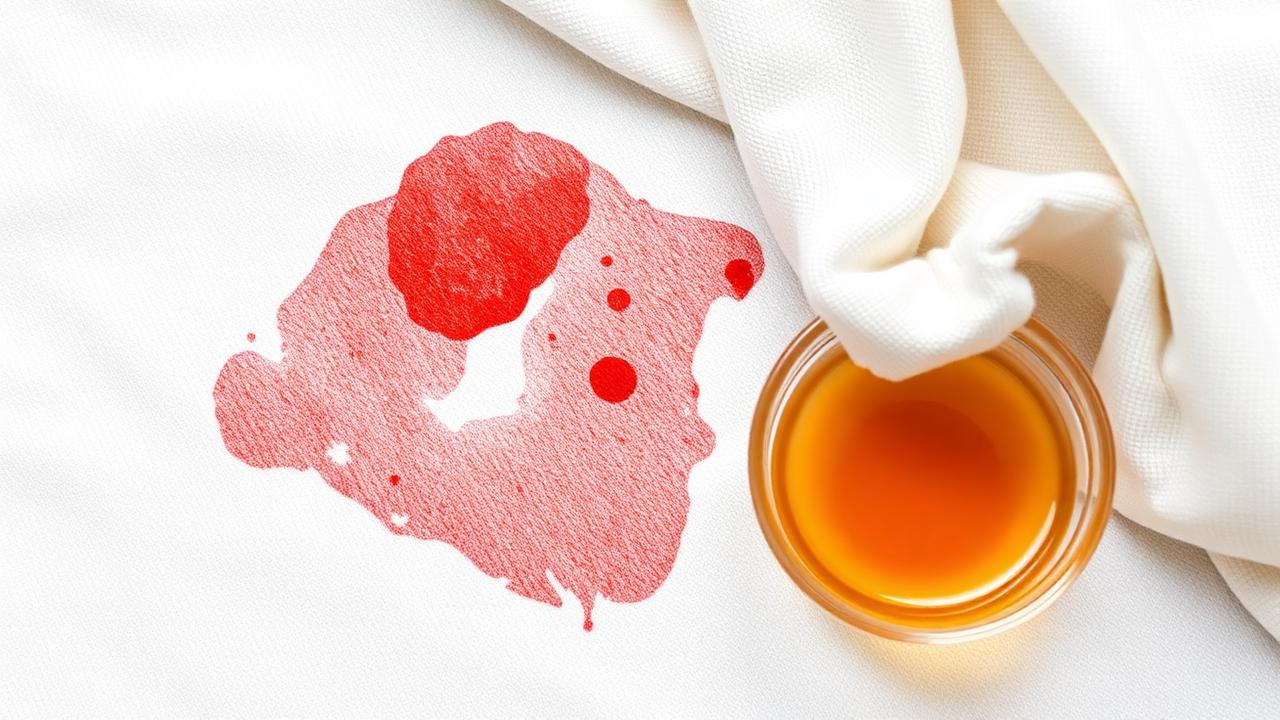
Method 2: The Club Soda Flush
Club soda is a classic household remedy that remains highly effective for fresh red wine stains. The carbonation provides mild effervescence that helps lift wine particles from deep within the carpet pile.
- Blot the initial spill dry with paper towels.
- Pour a small amount of club soda directly over the stained area. Do not over-saturate the carpet backing.
- Allow the carbonation to bubble for 30 to 60 seconds.
- Blot firmly with a clean cloth to transfer the lifted wine out of the carpet.
- Repeat the process until the cloth comes away clean, then place a weighted towel over the spot for an hour to absorb lingering dampness.
Method 3: Hydrogen Peroxide and Liquid Dish Soap
For persistent stains on light-colored or white carpets, hydrogen peroxide acts as a safe, mild oxidizing bleaching agent that breaks down red wine chromophores. Liquid dish soap breaks surface tension and dissolves oils.
- Mix two parts 3% hydrogen peroxide with one part clear liquid dish soap (such as Dawn) in a small bowl.
- Test the solution on an inconspicuous spot of carpet (such as inside a closet) to ensure colorfastness.
- Dip a clean sponge or cloth into the solution and gently dab it across the red wine stain.
- Let the mixture sit for 15 to 20 minutes to break down the tannins.
- Blot with a damp cloth soaked in cold water to rinse the soap away, then blot dry with a towel. Residual soap can attract dirt if not rinsed completely.
Method 4: White Vinegar and Dish Soap for Color-Safe Cleaning
If you have colored, dark, or wool carpets where hydrogen peroxide might pose a risk of discoloration, distilled white vinegar offers an acidic balance that neutralizes red wine pigments without stripping carpet dye.
- Combine 1 tablespoon of clear liquid dish soap, 1 tablespoon of white distilled vinegar, and 2 cups of warm (not hot) water.
- Apply the solution onto the stain using a clean cloth or spray bottle.
- Blot repeatedly, working the solution into the fibers gently with your fingertips or a soft cloth.
- Rinse by dabbing with a fresh cloth dipped in cold water, then blot dry with a towel.
How to Remove Old, Dried Red Wine Stains from Carpet
Dried red wine stains require rehydration before they can be effectively extracted. The goal is to loosen the dried sugars and tannins so chemical cleaners can penetrate the fibers.
- Rehydrate the spot: Dampen the dried stain thoroughly with warm water or club soda and let it sit for 5 minutes.
- Apply an enzyme-based cleaner: Spray an enzymatic stain remover or oxygen-based cleaner designed for pet or organic stains. Enzymes digest organic matter without harming fibers.
- Use a glycerin or shaving cream treatment: Plain white foaming shaving cream or vegetable glycerin can be applied to stubborn dried marks. Massage gently into the pile, wait 20 minutes, and blot clean.
- Rinse and extract: Sponge the area with cold water and vacuum with a wet/dry vac or carpet extractor if available.
Common Mistakes to Avoid When Cleaning Wine Spills
Improper cleaning techniques can turn a temporary spill into permanent carpet damage. Avoid these critical mistakes:
- Using hot water: Hot water cooks protein and tannin stains directly into synthetic and wool fibers, permanently locking the red color in place. Always use cold or lukewarm water.
- Using colored soaps: Blue, green, or red dish soaps can leave secondary dye stains behind. Always choose clear dish soap.
- Over-saturating the carpet: Soaking the carpet allows wine and water to penetrate into the subfloor and padding, which can cause mold growth or allow the stain to wick back to the surface as it dries.
- Aggressive scrubbing: Vigorous rubbing breaks the carpet twist and creates a permanently fuzzy, damaged texture known as pile distortion.
Special Care for Wool and Natural Fiber Carpets
Wool, sisal, and silk carpets require extra caution because harsh chemicals can destroy protein fibers:
- Never use hydrogen peroxide, ammonia, or chlorine bleach on wool or silk.
- Avoid overly acidic or alkaline commercial spot cleaners; choose a WoolSafe-certified cleaning product.
- Keep moisture to an absolute minimum to prevent fiber shrinkage and watermarks.
- Dry the area rapidly using a low-heat fan or blow dryer set to cool.
Conclusion
Removing red wine from carpet is entirely manageable when you act swiftly, blot rather than scrub, and use the correct cleaning solutions for your carpet type. Whether you choose salt for a fresh spill, a vinegar solution for delicate colored fibers, or a peroxide blend for stubborn marks on light carpet, patient blotting will restore your flooring and leave no trace of the accident behind.
Cleneus is reader-supported. Pages carry display advertising and some outbound product links may earn us a commission, which never changes the methods we recommend. Read our disclosure.