
How to Remove Sticker Residue from Clothes After Washing and Drying
Learn how to remove baked-in sticker residue from clothes after washing and drying using alcohol, vinegar, acetone, and commercial solvents.
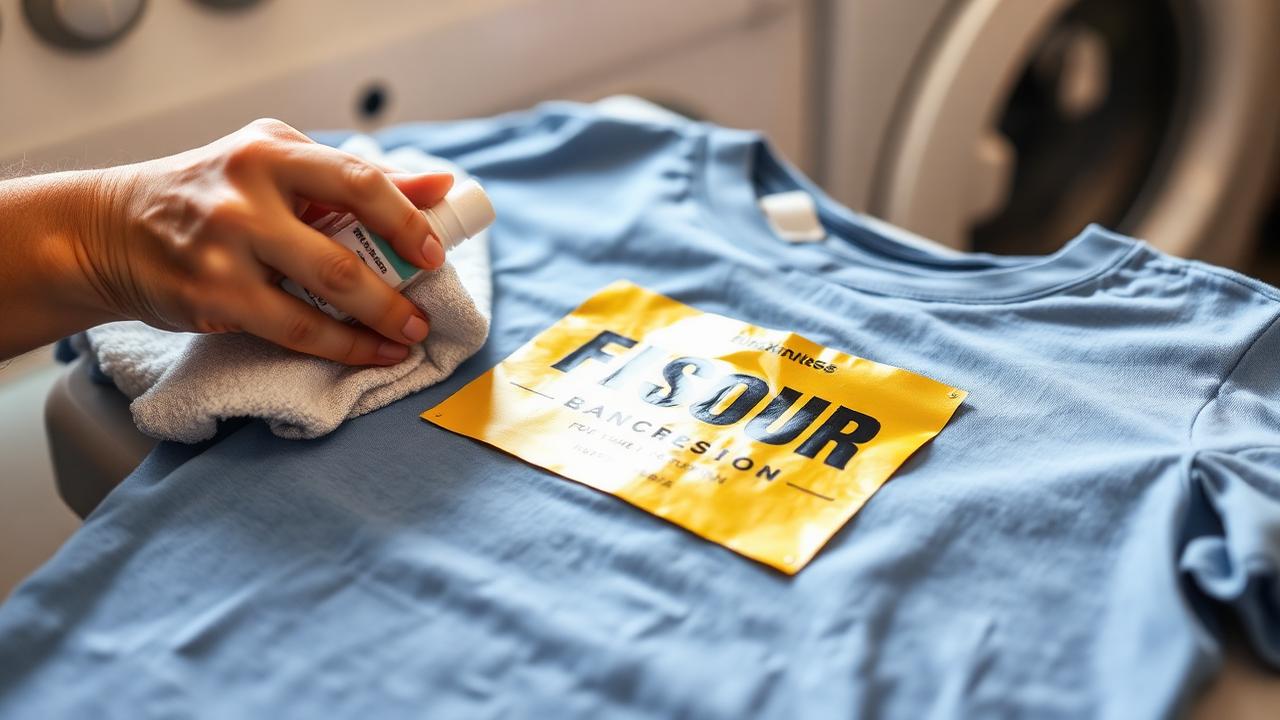
To remove sticker residue from clothes after washing and drying, saturate the hardened glue with 70% or 91% isopropyl rubbing alcohol, let it sit for 10 minutes, and gently scrape the softened adhesive using the edge of an old credit card or a dull butter knife. Because dryer temperatures between 130°F and 160°F melt and fuse acrylic adhesives deep into textile fibers, standard laundering will not remove the stain. Dissolving the cured adhesive requires targeted chemical solvents or heat-transfer methods, followed by a pretreat wash with concentrated liquid dish soap.
Why Dryer Heat Fuses Sticker Residue to Fabric
Most price tags, name badges, and size stickers utilize pressure-sensitive adhesives (PSAs) formulated from synthetic elastomers, acrylics, or rubber polymers. When an item of clothing passes through a standard washing cycle, the paper backing dissolves or shreds, leaving the water-resistant adhesive behind. When the garment enters the dryer, the high heat causes the adhesive polymers to cross-link and liquefy, pulling the glue deep into the weave of the fabric yarns. Once cooled, the glue hardens into a rigid, semi-permanent film that attracts lint, dust, and dirt.
5 Proven Methods to Remove Baked-In Sticker Adhesive
Method 1: Isopropyl Alcohol (Best for Cotton and Synthetics)
Isopropyl alcohol breaks down acrylic polymer chains without stripping color from most colorfast fabrics. This is the safest first-line treatment for standard cotton t-shirts, polyester blends, and denim.
- Supplies: 70% or 91% Isopropyl Alcohol, clean white microfiber cloth, dull scraper (credit card or plastic putty knife), concentrated dish soap.
- Step 1: Lay the garment flat on a clean, dry towel with the residue facing up. Place another small rag underneath the stained zone inside the garment to prevent transfer.
- Step 2: Pour 1 to 2 tablespoons of isopropyl alcohol directly over the sticker residue until completely saturated.
- Step 3: Allow the alcohol to penetrate the fibers for 8 to 10 minutes. Do not let it dry out completely; reapply if necessary.
- Step 4: Use the plastic edge to scrape the residue in one uniform direction, lifting the loosened gum from the fabric surface.
- Step 5: Work 1 teaspoon of liquid dish soap directly into the spot to capture any residual alcohol-adhesive slurry, rinse with warm water (105°F), and inspect.
Method 2: Heated White Vinegar Soak (Best for Delicates and Colors)
The 5% acetic acid in distilled white vinegar acts as a mild acid solvent that softens dried glue matrices without risking chemical bleaching on sensitive dye systems.
- Supplies: Distilled white vinegar, microwave-safe bowl, soft-bristled toothbrush, warm water.
- Step 1: Heat 1 cup of undiluted distilled white vinegar in a microwave until hot to the touch (approximately 130°F to 140°F, about 45 to 60 seconds).
- Step 2: Dip a clean white cloth or sponge into the hot vinegar and press it firmly against the residue for 3 to 5 minutes to transfer the heat and acid.
- Step 3: Dip a soft-bristled toothbrush into the hot vinegar and scrub the glue in small, circular motions with light-to-moderate pressure.
- Step 4: Re-saturate the area with hot vinegar as the residue balls up, wiping away lifted adhesive clumps with a clean paper towel.
- Step 5: Rinse thoroughly under running warm water.
Method 3: Commercial Citrus Solvent (Best for Heavy, Gummy Deposits)
Citrus-based commercial adhesive removers like Goo Gone or De-Solv-it contain d-limonene and petroleum distillates designed specifically to liquefy dried tackifiers and rubber-based adhesives.
- Supplies: Citrus adhesive remover, paper towels, heavy-duty liquid laundry detergent, warm water.
- Step 1: Apply 1 teaspoon of citrus solvent directly to the glue spot.
- Step 2: Let the solvent rest on the fabric for 15 to 20 minutes to dissolve the baked-in bond.
- Step 3: Blot firmly with paper towels to absorb the dissolved glue. Rubbing excessively at this stage can push the dissolved adhesive into surrounding clean fibers.
- Step 4: Because citrus solvents leave an oily residue, apply 1 tablespoon of enzyme-rich liquid laundry detergent or grease-cutting dish soap directly to the spot. Rub the detergent in and let it sit for 10 minutes to emulsify the oils.
- Step 5: Wash the garment in the hottest water safe for the fabric label.
Method 4: Pure Acetone (Best for Heavy Cotton and Denim)
Acetone is an industrial-strength solvent that dissolves synthetic adhesives almost instantly. Warning: Never use acetone on acetate, triacetate, modacrylic, or silk fabrics, as it will instantly melt the fibers.
- Supplies: 100% pure acetone (nail polish remover with additives is not recommended), cotton balls, old towel.
- Step 1: Perform a spot test on an inside hem to confirm the dye does not bleed.
- Step 2: Place a clean white towel behind the stained area.
- Step 3: Douse a cotton ball with pure acetone and dab the glue patch firmly.
- Step 4: As the glue dissolves, immediately roll the cotton ball across the fabric to lift the sticky substance. Replace dirty cotton balls frequently to prevent re-depositing glue.
- Step 5: Rinse immediately with cool water and wash thoroughly.
Method 5: The Iron Transfer Technique (Best for Wool and Knitwear)
If chemical solvents pose a risk to textured knits or wool garments, thermal transfer can re-melt the adhesive and draw it out of the yarn.
- Supplies: Steam iron, brown craft paper or plain paper grocery bag (no print), parchment paper.
- Step 1: Place a piece of brown craft paper directly over the sticker residue and another piece under the fabric layer.
- Step 2: Set your iron to medium heat with the steam setting turned off.
- Step 3: Press the warm iron over the craft paper for 5 to 8 seconds, moving continuously to avoid scorching.
- Step 4: Lift the paper while it is still warm. The adhesive will soften and adhere preferentially to the porous paper.
- Step 5: Repeat with a fresh, clean section of paper until no more residue transfers.
Adhesive Removal Method Comparison
| Method | Best Fabric Types | Processing Time | Risk Level | Key Precaution |
|---|---|---|---|---|
| Isopropyl Alcohol | Cotton, Polyester, Nylon, Denim | 10–15 minutes | Low | Ensure complete saturation before scraping. |
| Hot Distilled Vinegar | Delicates, Linen, Rayon, Wool | 15–20 minutes | Very Low | Requires sustained heat; re-warm vinegar if it cools. |
| Citrus Solvent (Goo Gone) | Heavy Cotton, Canvas, Workwear | 20–30 minutes | Moderate | Must treat with dish soap to prevent oil staining. |
| 100% Acetone | Uncoated Denim, 100% Cotton | 2–5 minutes | High | Never use on acetate, rayon, or modal fabrics. |
| Iron Paper Transfer | Sweaters, Knits, Wool blends | 5–10 minutes | Low | Keep iron dry; do not scorch synthetic fibers. |
Crucial Post-Treatment Rules
Once you have treated the adhesive patch, complete the recovery process with these three rules:
- Pretreat before re-washing: Always rub 1 teaspoon of high-surfactant liquid detergent (such as Tide or Persil) into the treated area to strip chemical remnants and suspended adhesive particles.
- Air-dry only: Hang the garment to air dry after washing. Never place the clothing back into the tumble dryer until the fabric is completely dry and you have confirmed with your fingertips that zero sticky residue remains. Tumble-drying a partially cleaned spot will re-bake the remaining polymers.
- Avoid abrasive wire brushes: Using steel wool, wire brushes, or sharp razor blades will sever fabric yarns and create permanent pilling or holes. Stick exclusively to blunt plastic scraping edges.
Frequently Asked Questions
Can baking soda remove sticker residue after drying?
Baking soda works best when combined with equal parts coconut oil or olive oil to form a paste. The oil dissolves the adhesive matrix, while the mild abrasive properties of baking soda help scrub it free. However, you must thoroughly wash the garment with grease-cutting dish soap afterward to avoid leaving an oil ring on the fabric.
Will WD-40 remove dried sticker residue from clothes?
WD-40 dissolves stubborn adhesives effectively, but it is an oil-based lubricant that creates a secondary petroleum stain on textiles. If you use WD-40, immediately saturate the area with liquid dish soap or an oxygen-bleach spot treatment and wash in hot water to remove the lubricant base.
How do I remove name-tag sticker glue from 100% polyester?
Polyester responds best to 70% or 91% isopropyl alcohol. Saturate the spot for 10 minutes, scrape the glue off with an edge, and rinse with warm water. Avoid using acetone on polyester blends, as pure acetone can degrade certain synthetic fibers and coatings.
Cleneus is reader-supported. Pages carry display advertising and some outbound product links may earn us a commission, which never changes the methods we recommend. Read our disclosure.