
How to Remove Stubborn Tea Stains from Ceramic Mugs: 4 Proven Methods
Remove dark, stubborn tea stains from ceramic mugs fast using baking soda, citric acid, or oxygen bleach without scratching or dulling the glaze.
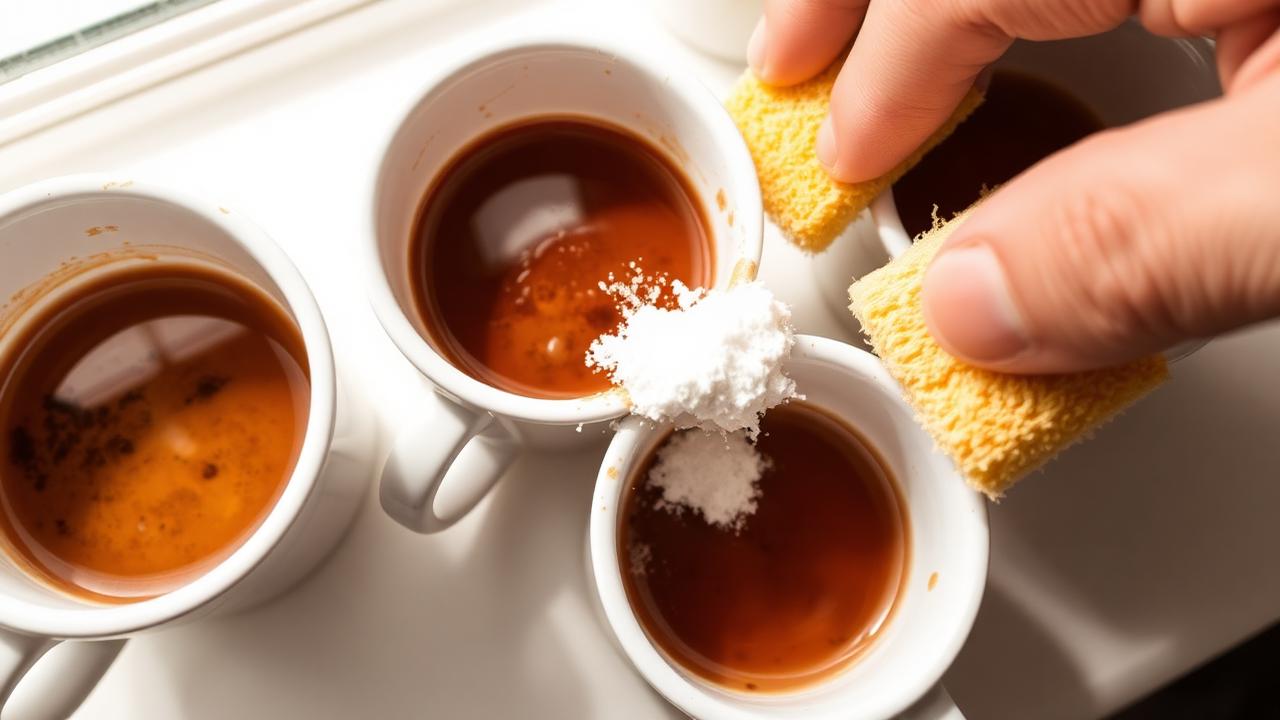
To remove stubborn tea stains from ceramic mugs immediately, create a mild abrasive paste by mixing 2 tablespoons of baking soda with 1 teaspoon of warm water. Apply the paste directly to the stained interior with a damp microfiber cloth, scrub in firm circular motions for 60 seconds, and rinse with hot water. For deeply oxidized, years-old tannin build-up, soak the mug in 1 teaspoon of oxygen bleach (sodium percarbonate) mixed with boiling water for 15 minutes to lift the stain chemically without damaging the ceramic glaze.
Why Tea Stains Ceramic Mugs So Aggressively
Tea contains high concentrations of tannins (theaflavins and thearubigins), which are water-soluble polyphenolic compounds that give tea its dark color and astringent taste. When hot tea sits in a mug, these tannins bond chemically with the microscopic pores, hairline crazing, or minor manufacturing imperfections in the ceramic glaze. Black teas, such as Assam and Ceylon, contain higher concentrations of polymerised polyphenols than green or white teas, making them significantly more prone to leaving brown, scale-like rings around the water line and mug base.
Method 1: The Baking Soda Scrub (Best for Fast, Single-Mug Cleaning)
Baking soda (sodium bicarbonate) has a Mohs hardness rating of 2.5, while glazed ceramic averages a hardness of 6 to 7. This differential allows baking soda to mechanically lift bonded tannins without scratching, dulling, or stripping the protective gloss glaze.
- Supplies needed: 2 tablespoons commercial baking soda, 1 to 2 teaspoons warm water (40°C / 104°F), 1 soft microfiber cloth or non-scratch cellulose sponge.
- Step 1: Empty the mug and leave the interior slightly damp.
- Step 2: Add 2 tablespoons of baking soda directly to the bottom of the mug.
- Step 3: Add 1 teaspoon of warm water to form a thick, gritty paste with the consistency of toothpaste. If the mixture is too runny, add another teaspoon of baking soda.
- Step 4: Using your fingers or a damp cloth, work the paste into the stained areas using tight, circular motions. Apply moderate pressure for 60 to 90 seconds.
- Step 5: Let the paste sit on the ceramic surface for 5 minutes to allow the mild alkalinity (pH ~8.3) to break down acidic tannin bonds.
- Step 6: Wipe out with the damp sponge and rinse thoroughly with clean, warm water.
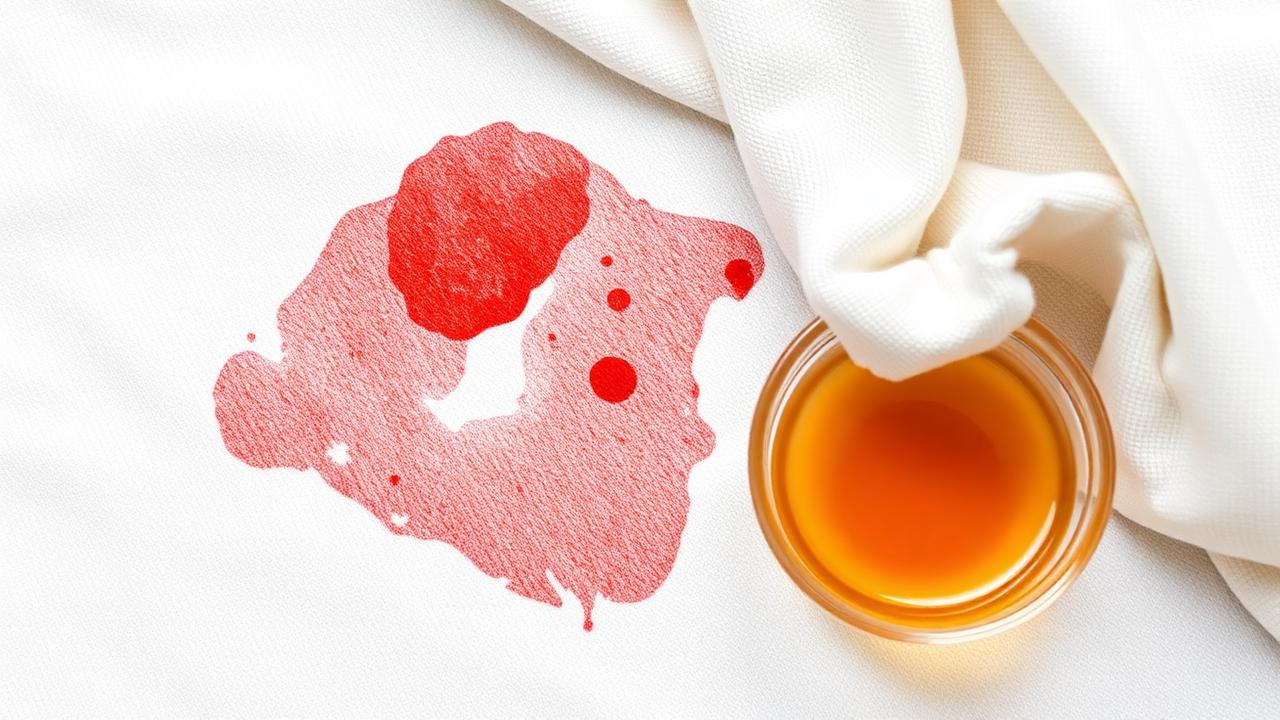
Method 2: Citric Acid or Lemon & Salt Soak (Best for Combined Mineral & Tea Scale)
If you live in a hard-water area, your tea stains are likely bound within a matrix of calcium carbonate (limescale). Citric acid breaks the calcium bonds while lifting the polyphenols.
- Supplies needed: 1 tablespoon food-grade citric acid powder (or 3 tablespoons freshly squeezed lemon juice + 1 tablespoon coarse kosher salt), 250 ml boiling water (100°C / 212°F).
- Step 1: Pour 1 tablespoon of citric acid powder into the stained mug.
- Step 2: Pour boiling water directly over the powder until the mug is filled to the brim.
- Step 3: Stir with a stainless steel spoon for 10 seconds to dissolve the crystals completely.
- Step 4: Allow the acidic solution (pH ~2.2) to sit undisturbed for 30 to 45 minutes as it cools.
- Step 5: Pour out half the liquid, then use a standard dish brush to wipe away the loosened residue. Rinse thoroughly.
- Alternative Salt Method: If using lemon and salt, cut a fresh lemon wedge, dip it directly into coarse kosher salt, and use the salted lemon face as an abrasive scouring pad directly against dry mug walls.
Method 3: Oxygen Bleach / Sodium Percarbonate (Best for Hands-Free Bulk Restoration)
Oxygen bleach is the professional standard for commercial coffee shops and tea houses. When mixed with hot water, sodium percarbonate releases hydrogen peroxide and soda ash, which rapidly oxidizes dark chromophores into colorless, water-soluble compounds.
- Supplies needed: 1 teaspoon pure sodium percarbonate (or fragrance-free powdered oxygen cleaner like OxiClean), 250 ml very hot tap water (60°C to 70°C / 140°F to 158°F).
- Step 1: Place your stained ceramic mugs in the kitchen sink.
- Step 2: Add 1 teaspoon of oxygen bleach powder into each mug.
- Step 3: Fill the mugs with hot water. The solution will immediately begin to foam and bubble vigorously.
- Step 4: Leave the solution to work for 15 to 20 minutes. No scrubbing is required; the oxidation process lifts the brown organic layer completely.
- Step 5: Pour the liquid down the drain and wash the mugs with regular dish soap and warm water to remove any residual alkaline film.
Method 4: Distilled White Vinegar and Dish Soap Soak (Everyday Pantry Method)
Standard distilled white vinegar contains 5% acetic acid, which dissolves the organic bindings of fresh-to-moderate stains without producing chemical fumes.
- Supplies needed: 120 ml 5% distilled white vinegar, 120 ml boiling water, 2 drops concentrated grease-cutting liquid dish soap.
- Step 1: Combine equal parts white vinegar and boiling water inside the mug.
- Step 2: Add 2 drops of dish soap and stir until slightly sudsy.
- Step 3: Let the mug soak for 30 minutes.
- Step 4: Scrub the interior with a non-scratch scrub sponge, then rinse thoroughly with warm water.
Cleaning Methods Compared
| Method | Best For | Contact Time | Scrubbing Effort | Glaze Safety |
|---|---|---|---|---|
| Baking Soda Paste | Single mugs, light to medium stains | 5 minutes | Moderate (Manual) | 100% Safe (Non-abrasive) |
| Citric Acid Soak | Hard water scale mixed with tea | 30–45 minutes | Low | Safe for all glazed ceramics |
| Oxygen Bleach | Severe, multi-year stains & batch cleaning | 15 minutes | Zero (Hands-free) | Safe (Avoid unglazed clay) |
| Vinegar & Soap | Routine weekly maintenance | 30 minutes | Low to Moderate | Safe for modern glazes |
What to Avoid When Cleaning Ceramic Mugs
- Chlorine Bleach: While household liquid bleach removes stains quickly, it leaves an unpleasant chemical odor trapped in micro-cracks and can permanently ruin underglaze artwork or vintage lusterware over repeated uses.
- Steel Wool and Wire Scourers: Steel has a Mohs hardness of 4 to 5, but coarse metal fibers create permanent grey metal marks (metal transfer) and etch micro-grooves into smooth glaze, creating deeper anchor points for future tea stains.
- Melamine Foam (Magic Erasers) on Glazed Fine China: Melamine foam acts as ultra-fine 3000-grit sandpaper. Frequent use will strip high-gloss glazes over time, turning the mug surface matte and making it stain ten times faster.
How to Prevent Tea Stains from Forming
Preventing stubborn tannin build-up takes only seconds of daily care:
- The 60-Second Post-Tea Rinse: Tannin adhesion accelerates once tea cools and the liquid evaporates. Rinse your mug with warm water immediately after finishing your drink, even if you do not wash it with soap right away.
- Avoid Leaving Dregs Overnight: Never leave a puddle of cold tea in the bottom of the mug overnight; this creates a dense, concentrated tannin ring.
- Weekly Dishwasher Sanitizing: If your mugs are dishwasher-safe, run them on a high-temperature cycle (65°C / 150°F) using detergents containing enzymes and oxygen-based bleaching agents once a week to eliminate early invisible films.
Frequently Asked Questions
Why does black tea stain mugs faster than coffee?
Black tea contains significantly higher levels of free tannins and gallic acid than coffee. These smaller polyphenolic molecules penetrate the microscopic surface roughness of ceramic glazes more rapidly and oxidize into dark, insoluble pigments upon contact with air.
Can I use denture cleaning tablets for tea stains?
Yes. Denture tablets contain effervescent sodium bicarbonate, citric acid, and mild bleaching agents. Fill your mug with warm water, drop in 1 to 2 tablets, let them fizz for 15 to 30 minutes, and rinse clean. This method is safe for all glazed ceramics.
How do I remove tea stains from crazed vintage mugs?
Crazing refers to the network of fine cracks in older pottery glazes where stains seep underneath the surface. Avoid acidic vinegars or harsh scrubbing, which can degrade the fragile earthenware body. Instead, soak the piece in a 3% hydrogen peroxide solution at room temperature for 12 to 24 hours to lift deep internal discoloration safely.
Cleneus is reader-supported. Pages carry display advertising and some outbound product links may earn us a commission, which never changes the methods we recommend. Read our disclosure.