How to Remove Yellow Armpit Stains from White Shirts Naturally
Learn how to remove yellow armpit stains from white shirts naturally using baking soda, hydrogen peroxide, and vinegar with exact recipes and steps.
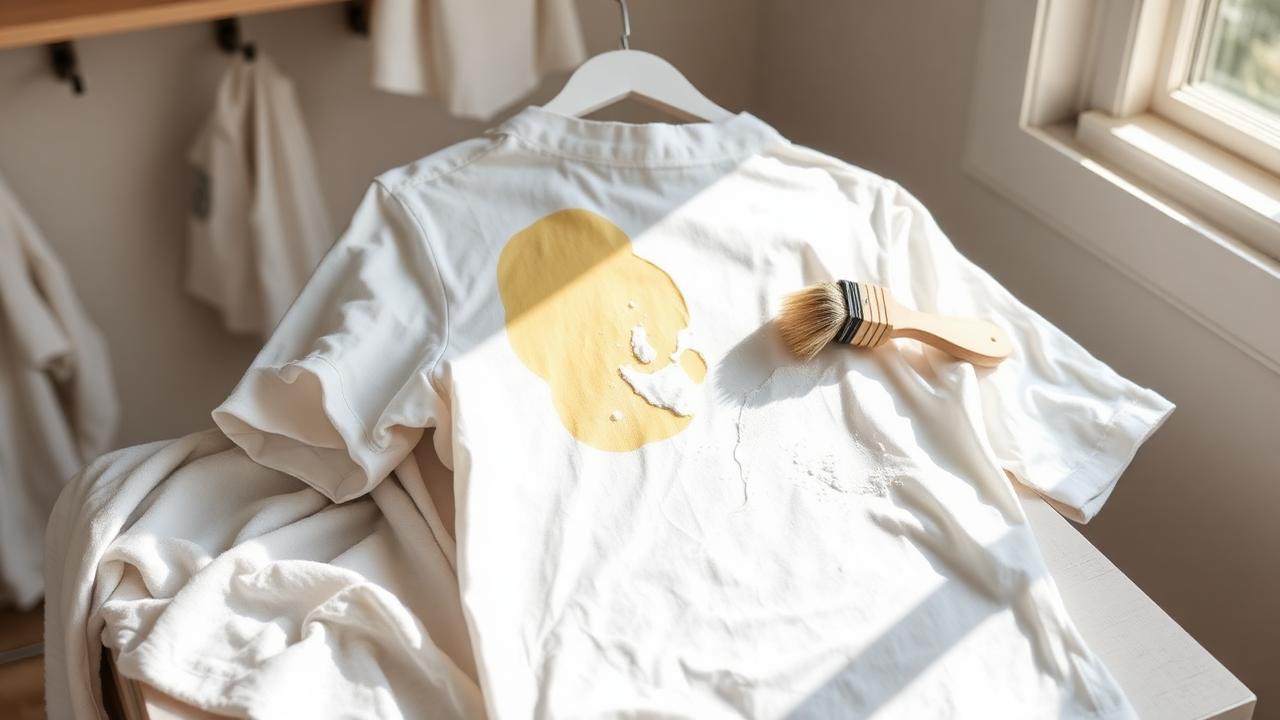
To remove yellow armpit stains from white shirts naturally, mix equal parts baking soda, 3% hydrogen peroxide, and warm water into a thick paste. Apply 2 to 3 tablespoons directly to the stained underarm area, scrub gently with an old toothbrush for 60 seconds, and let it sit for 45 to 60 minutes. Launder the shirt in warm water (40°C or 104°F) using your standard detergent, and air-dry in direct sunlight to naturally boost the whitening effect.
Why White Shirts Develop Yellow Armpit Stains
Yellow armpit stains are not caused by sweat alone. Fresh human sweat is clear and composed mostly of water, salt, and minor trace proteins. The yellowing occurs when the proteins and lipids in your sweat chemically react with the aluminum compounds found in commercial antiperspirants. Over time, this mixture binds tightly to the cotton or synthetic fibers of your shirt, creating a greasy, hardened residue that traps bacteria and turns dark yellow when exposed to air, body heat, and standard wash cycles.
4 Proven Natural Methods to Eliminate Yellow Pit Stains
Method 1: The Baking Soda and Hydrogen Peroxide Paste (Best Overall)
Hydrogen peroxide acts as a natural, non-chlorine bleaching agent, while baking soda provides mild abrasive power and neutralizes acidic odor compounds.
- Ingredients: 2 tablespoons baking soda, 2 tablespoons 3% hydrogen peroxide, 2 tablespoons warm water.
- Step 1: Combine ingredients in a small glass bowl until a paste forms.
- Step 2: Lay the shirt flat on a clean surface and coat both the inside and outside of the armpit zones.
- Step 3: Use a soft-bristled brush to work the paste deep into the fabric weave.
- Step 4: Let the paste sit for 45 to 60 minutes. For severe, crusty stains, extend the dwell time to 2 hours.
- Step 5: Rinse thoroughly with cold water, then wash in the washing machine at 40°C (104°F).
Method 2: Distilled White Vinegar and Salt Soak (Best for Odor & Light Stains)
The 5% acetic acid in distilled white vinegar dissolves mineral and aluminum buildup, while table salt acts as a natural astringent to lift deep protein stains.
- Ingredients: 1 cup distilled white vinegar, 1/2 cup coarse salt, 1 gallon warm tap water (approximately 43°C / 110°F).
- Step 1: Fill a clean washbasin or bucket with the warm water, vinegar, and salt, stirring until the salt dissolves.
- Step 2: Submerge your white shirts fully in the liquid.
- Step 3: Soak the garments for 30 to 45 minutes.
- Step 4: Remove the shirts, gently wring out excess liquid, and rub the affected armpit areas against each other to create friction.
- Step 5: Wash immediately on a normal cycle.
Method 3: Lemon Juice and Direct Sunlight (Best 100% Plant-Based Bleaching)
Citric acid breaks down the chemical bonds of the stain, and ultraviolet (UV) radiation from sunlight acts as an organic oxidizing agent to restore brightness.
- Ingredients: 1/2 cup freshly squeezed lemon juice (approx. 2 large lemons), 2 tablespoons fine table salt.
- Step 1: Pour the lemon juice directly over the yellowed underarm fabric until saturated.
- Step 2: Sprinkle salt over the wet area to form a granular scrub.
- Step 3: Massage the mixture into the fabric with your fingers for 30 seconds.
- Step 4: Lay the damp shirt flat outdoors on a clean towel in direct midday sunlight for 1 to 2 hours.
- Step 5: Rinse with cold water and wash normally.
Method 4: Oxygen Bleach (Sodium Percarbonate) Deep Soak (Best for Old, Set-In Stains)
Sodium percarbonate is an eco-friendly mineral compound that releases concentrated hydrogen peroxide and washing soda when dissolved in hot water.
- Ingredients: 2 scoops (approx. 4 tablespoons) powdered oxygen bleach, 1 gallon hot water (50°C to 60°C / 122°F to 140°F).
- Step 1: Dissolve the powder completely in hot water to activate the oxygen release.
- Step 2: Submerge the stained garments and weigh them down with a white plate if they float.
- Step 3: Allow shirts to soak for a minimum of 4 hours, or overnight (up to 8 hours) for heavily discolored garments.
- Step 4: Drain the liquid and wash the shirts using a heavy-duty cycle.
Natural Stain Removal Methods Compared
| Method | Active Ingredients | Dwell / Soak Time | Fabric Safety | Stain Severity |
|---|---|---|---|---|
| Peroxide & Baking Soda Paste | 3% Hydrogen Peroxide, Baking Soda | 45–60 minutes | 100% Cotton, Linen | Heavy / Crusty |
| Vinegar & Salt Soak | 5% Acetic Acid, Sodium Chloride | 30–45 minutes | All whites (including synthetics) | Light to Moderate |
| Lemon Juice & UV Sunlight | Citric Acid, Solar UV | 60–120 minutes | Cotton, Linen (Avoid Silk) | Moderate |
| Sodium Percarbonate Soak | Oxygen Bleach, Hot Water | 4–8 hours | Cotton, Polyester, Blends | Severe / Set-In |
Step-by-Step Guide to Rescuing Heavily Discolored Shirts
Follow this multi-step protocol when tackling shirts that have been washed and dried with yellow stains multiple times:
- Step 1: Strip the Mineral Buildup: Soak the shirt in a solution of 1 part white vinegar and 4 parts warm water for 30 minutes to dissolve lingering deodorant wax and aluminum salts.
- Step 2: Apply the Oxygenating Paste: Mix 3 tablespoons baking soda, 1 tablespoon 3% hydrogen peroxide, and 1 teaspoon eco-friendly liquid dish soap. The dish soap cuts through body sebum, while the peroxide targets discoloration.
- Step 3: Mechanical Agitation: Work the paste into the weave using circular motions with a soft laundry brush. Allow the paste to dry on the garment for 90 minutes.
- Step 4: Hot Water Laundering: Wash the garment at the highest temperature permitted by the care label (usually 40°C–60°C / 104°F–140°F for white cottons).
- Step 5: Inspect Before Drying: Never place a shirt in an electric dryer if yellowing remains. High heat permanently bakes residual proteins into the cotton cellulose. Air-dry and repeat if necessary.
How to Prevent Yellow Armpit Stains
- Switch to Aluminum-Free Deodorants: Antiperspirants use aluminum chlorohydrate or aluminum zirconium, which cause the yellow reaction. Simple deodorants contain no aluminum.
- Let Deodorant Dry Completely: Wait 5 to 10 minutes after applying stick or spray deodorant before pulling on your white shirt to minimize transfer onto the fabric.
- Wash White Shirts Promptly: Do not let sweaty shirts sit in the laundry hamper for days. Launder white shirts within 24 to 48 hours of wearing them.
- Wear a Lightweight Undershirt: A 100% organic cotton undershirt creates a protective physical barrier between sweat, deodorant, and your dress shirts.
Frequently Asked Questions
Why does chlorine bleach make yellow armpit stains worse?
Chlorine bleach (sodium hypochlorite) chemically reacts with the proteins in human sweat. Instead of lightening the fabric, it oxidizes the protein compounds, turning the underarm area a darker, indelible shade of yellow or gray.
Can I use hydrogen peroxide on colored shirts?
Hydrogen peroxide has mild bleaching properties. While it is safe on most white fabrics, it can lift or fade dyes on dark and colored shirts. Test a drop on an inside hem before applying to colored garments, or use a 50/50 water and white vinegar soak instead.
Does baking soda damage cotton fibers?
No. Baking soda has a mild alkaline pH (around 8.3) that is gentle on natural fibers like cotton, linen, and hemp. It cleans without degrading the tensile strength of the fabric.
Will washing in cold water remove yellow sweat stains?
Cold water helps prevent fresh sweat proteins from coagulating initially, but it cannot dissolve the waxy aluminum residue once it has bonded with the fabric. Pre-treat with an active paste and wash in warm water (40°C / 104°F) for optimal removal.
Cleneus is reader-supported. Pages carry display advertising and some outbound product links may earn us a commission, which never changes the methods we recommend. Read our disclosure.