
How to Remove Yellow Mustard Stains from Polyester Fabric
Learn how to remove tough yellow mustard stains from polyester fabric using dish soap, vinegar, and oxygen bleach with this step-by-step guide.
To remove yellow mustard stains from polyester fabric, immediately scrape off any excess condiment with a dull edge and flush the reverse side of the stain with cold water (below 70°F / 21°C). Pre-treat the spot by working a solution of 1 tablespoon liquid dish soap and 1 tablespoon distilled white vinegar into the fibers, letting it sit for 15 to 20 minutes. If the yellow dye persists, soak the garment in a solution of oxygen bleach and warm water (105°F / 40°C) for 1 to 2 hours before machine washing with a heavy-duty laundry detergent. Always air-dry the garment, as dryer heat will permanently set the turmeric dye into synthetic polyester fibers.
Why Mustard Stains Are Difficult on Polyester
Mustard is not just a food residue; it is a complex, multi-layered stain composed of oils, vinegar, mustard seed grounds, and turmeric. Turmeric contains curcumin, an oil-soluble natural dye traditionally used for coloring textiles. While polyester is a hydrophobic synthetic fiber that naturally resists water-based stains, it has an affinity for oils. The oil in the prepared mustard delivers the curcumin pigment directly into the synthetic matrix of the polyester fiber. When exposed to heat, curcumin forms a permanent chemical bond with polyester, which is why proper technique and temperature management are critical from the moment the spill occurs.
Essential Supplies and Products
- Blunt scraper: A dull butter knife, spoon, or credit card.
- Liquid dish soap: High-degreasing formulas like Dawn or Palmolive to break down mustard oils.
- Distilled white vinegar: 5% acidity to neutralize alkaline compounds and dissolve organic matter.
- Isopropyl alcohol (70% or 91%): A solvent to extract curcumin pigment from synthetic fibers.
- Oxygen-based bleach: Sodium percarbonate powder (such as OxiClean or generic oxygen brightener).
- Heavy-duty laundry detergent: Detergents containing protease and lipase enzymes (e.g., Tide Original or Persil ProClean).
- Clean white microfiber cloths: To blot without transferring dye back onto the polyester.
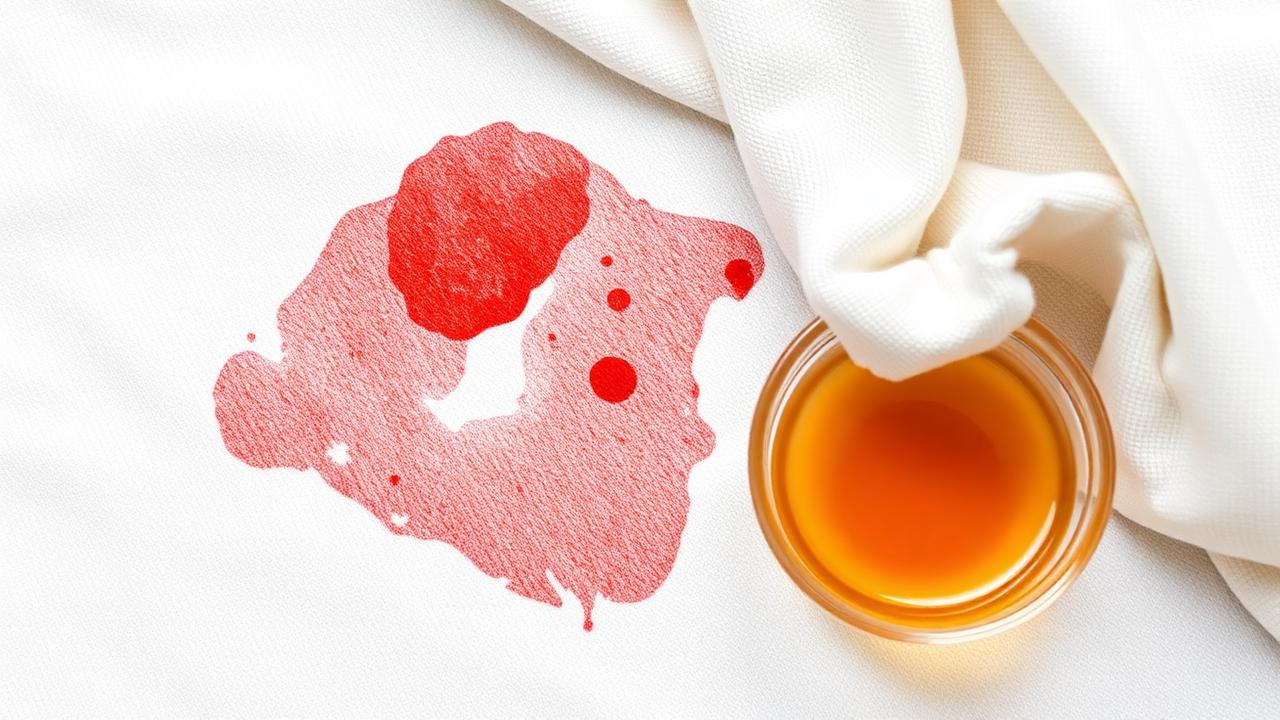
Step-by-Step Guide: Removing Fresh Mustard Stains from Polyester
Step 1: Scrape Away Excess Condiment
Lift away the surface layer of mustard immediately using the edge of a spoon or butter knife. Work from the outside of the spill toward the center to avoid spreading the yellow perimeter. Never press down or wipe with a paper towel, as this pushes the curcumin dye deep into the woven polyester threads.
Step 2: Flush with Cold Running Water
Turn the garment inside out. Hold the back of the stained area directly under a high-pressure stream of cold water (50°F to 65°F / 10°C to 18°C). Flushing from the back pushes the mustard particles out of the fabric rather than driving them deeper through the weave.
Step 3: Apply the Vinegar and Dish Soap Pre-Treatment
Mix 1 tablespoon of concentrated liquid dish soap with 1 tablespoon of distilled white vinegar and 1 cup of cool water. Apply this solution directly to the stained area. Gently work the mixture into the polyester using your fingertips or a soft-bristled toothbrush in small, circular motions. Allow the solution to penetrate the synthetic fibers for 15 to 20 minutes.
Step 4: Rinse and Inspect
Rinse the treated zone thoroughly under cool running water. If the oily residue has lifted but a pale yellow or neon mark remains, proceed to the dye-stripping stage using isopropyl alcohol or oxygen bleach.
Step 5: Apply Rubbing Alcohol to Dissolve Curcumin
Place a clean white rag underneath the stained section. Dampen a cotton pad or microfibre towel with 70% isopropyl alcohol and firmly blot the yellow stain. Curcumin is soluble in alcohol; you will see the yellow pigment transfer onto your blotting pad. Rotate the pad frequently to avoid re-depositing the dye. Continue blotting until no more yellow transfers.
Step 6: Soak in an Oxygen Bleach Bath
For stubborn residual yellowing, fill a basin with 1 gallon of warm water (roughly 105°F / 40°C) and dissolve 2 full tablespoons of sodium percarbonate powder (oxygen bleach). Submerge the entire polyester garment, ensuring it remains fully saturated. Allow it to soak for a minimum of 1 hour, up to a maximum of 6 hours for heavy stains. Oxygen bleach is safe on both white and colorfast colored polyester garments and breaks the chemical chromophores of turmeric.
Step 7: Machine Wash
Launder the item in your washing machine using the warm water setting (85°F to 105°F / 30°C to 40°C) and the recommended dose of a heavy-duty enzymatic liquid laundry detergent. Add 1/2 cup of baking soda to the wash drum to boost detergent performance if desired.
Step 8: Line Dry and Verify
Hang the garment to air-dry in a well-ventilated area or in indirect sunlight. Do not place the garment into an electric tumble dryer until the fabric is completely dry and you have confirmed that 100% of the yellow discoloration is gone. If any yellow trace remains, repeat the oxygen bleach soak and wash cycle.
How to Remove Old, Dried Mustard Stains from Polyester
Dried mustard requires rehydration and oil breakdown before pigment extraction can occur:
- Glycerin Pre-Soak: Apply vegetable glycerin directly over the dried stain and let it sit for 30 minutes. Glycerin softens the hardened crust and emulsifies dried vegetable oils.
- Enzyme Soak: Mix 1 capful of liquid enzyme detergent with 2 quarts of warm water. Soak the garment for 2 to 4 hours.
- Alcohol Extraction: Blot the softened stain with 91% isopropyl alcohol until the underlying yellow dye lifts, then proceed with the oxygen bleach soak and standard wash cycle described above.
Mustard Stain Removal Methods Compared
| Treatment Method | Target Component | Dwell Time | Fabric Safety | Best For |
|---|---|---|---|---|
| Liquid Dish Soap + White Vinegar | Oils, vinegar base, surface solids | 15–20 minutes | Safe for all polyester and blends | Fresh stains; initial treatment |
| 70%–91% Isopropyl Alcohol | Curcumin (yellow turmeric dye) | 5–10 minutes (blotting) | Safe; spot-test on dyed polyester prints | Targeted dye extraction on stubborn spots |
| Sodium Percarbonate (Oxygen Bleach) | Oxidizable dye compounds | 1–6 hours (soak) | Safe for whites and colorfast synthetics | Set-in stains and widespread discoloration |
| Enzymatic Stain Spray | Proteins, thickeners, starches | 20–30 minutes | Safe for all polyester textiles | Quick pre-wash treatment for light spots |
Crucial Mistakes to Avoid
- Using Ammonia: Never apply ammonia to a mustard stain. Ammonia is highly alkaline and reacts chemically with curcumin, converting the yellow stain into a permanent, dark red-brown dye that cannot be washed out.
- Using Hot Water First: Applying hot water before removing the turmeric pigment cooks the oil into the polyester fibers and accelerates the dye fixation process. Always start with cold water.
- Chlorine Bleach on Colored Polyester: Chlorine bleach weakens synthetic fibers and causes irreversible color loss on colored fabrics. Stick strictly to oxygen-based bleaches.
- Tumble Drying Prematurely: The 130°F to 160°F (55°C to 70°C) heat generated by home clothes dryers permanently bakes residual curcumin into synthetic polyester polymers.
Frequently Asked Questions
Can baking soda remove mustard from polyester?
Baking soda can help absorb excess surface oils when applied immediately as a dry paste with water, but it is not acidic or solvent-heavy enough to extract curcumin dye on its own. It works best as a laundry booster alongside dish soap or oxygen bleach rather than a standalone spot treatment.
Does hand sanitizer work on mustard stains?
Yes, plain alcohol-based hand sanitizer (containing at least 60% ethyl or isopropyl alcohol) can dissolve curcumin dye in an emergency. Apply a drop, gently tap the fabric, and blot with a clean paper towel. Avoid sanitizers containing added fragrances, dyes, or moisturizers, as these can leave secondary stains on polyester.
Is dry cleaning necessary for mustard on polyester?
Standard wet cleaning at home using oxygen bleach and degreasing agents is generally more effective than petroleum-based dry cleaning solvents for turmeric-based stains. However, if the garment tag specifies 'Dry Clean Only' due to internal structuring, linings, or delicate blends, take it to a professional cleaner and identify the stain as turmeric/mustard.
Why did my mustard stain turn bright red?
If a mustard stain turns bright red or rust-colored during cleaning, it has contacted a strongly alkaline substance such as ammonia, borax, or high-pH soap. Curcumin serves as a natural pH indicator. Immediately neutralize the area by thoroughly flushing with distilled white vinegar (an acid), which will shift the color back to yellow and allow you to continue standard removal procedures.
Cleneus is reader-supported. Pages carry display advertising and some outbound product links may earn us a commission, which never changes the methods we recommend. Read our disclosure.