
How to Unclog a Vacuum Hose Without Damaging It
Learn how to unclog a vacuum hose without puncturing or stretching it. Safe, step-by-step methods using blunt household tools and warm water.
To unclog a vacuum hose without damaging it, disconnect the hose completely from the machine and inspect it with a flashlight to pinpoint the obstruction. Insert a blunt, flexible tool—such as the rounded handle of a broom, a plastic plumbing snake, or a wire coat hanger with the hook wrapped in electrical tape—into the hose to gently push or hook the debris out. Avoid sharp objects and excessive force that can tear the flexible plastic ribs. If the clog consists of compacted dust or sticky residue, soak non-electric hoses in warm water (100°F to 110°F) mixed with 1 tablespoon of mild dish soap for 15 minutes to dissolve the blockage, then rinse and dry thoroughly for 24 hours.
Immediate Signs Your Vacuum Hose Is Clogged
Running a vacuum with an obstructed hose puts severe strain on the motor and leads to overheating within 3 to 5 minutes. Watch for these distinct indicators of a blockage:
- Sudden loss of suction: The motor runs, but the floorhead fails to pick up lightweight debris like paper scraps or hair.
- High-pitched motor whine: The vacuum motor changes pitch, sounding strained as it struggles to pull air through a restricted passage.
- Overheating housing or thermal shutoff: The vacuum canister or base feels unusually hot to the touch, or the machine shuts down automatically due to thermal protection switches.
- Burning dust odor: Trapped friction heat warms stagnant dust inside the hose, emitting an acrid, dusty smell.
- Hose retraction failure: On stretch-hose upright models, the hose stays rigid or snaps back aggressively under vacuum pressure.
Tools and Materials Needed: Safe vs. Unsafe
Vacuum hoses are constructed from thin ethylene-vinyl acetate (EVA) or polyvinyl chloride (PVC) molded over a wire helix. Piercing the outer membrane ruins the airtight seal required for suction. Select tools that clear blockages without puncturing or distorting the spiral.
Safe Tools
- Blunt wooden or plastic broomstick: Smooth handle end only; ideal for dislodging central clogs in standard-length hoses.
- Flexible plastic drain snake: 25-foot plastic snake with smooth, rounded teeth to grab hairballs without gouging the plastic walls.
- Padded wire coat hanger: A straightened wire hanger with the working tip bent into a smooth 1/4-inch loop and tightly wrapped in electrical or duct tape.
- Mild dish soap (e.g., Dawn): 1 tablespoon per gallon of water to break down organic oils.
- Handheld flashlight: For visual inspection of the blockage depth.
- Heavy metal coin or marble: Dropped down the tube to verify the exact location of the jam.
Unsafe Tools to Avoid
- Screwdrivers and metal skewers: The sharp, rigid tips easily puncture the thin webbing between the wire ribs.
- Unpadded metal wire: Scratches internal plastic and snags on internal wiring in electrified hoses.
- Boiling water (above 130°F): Melts, warps, or permanently collapses thermo-plastic hose ribs.
- Chemical drain cleaners: Caustic chemicals degrade PVC, corrode internal metal support coils, and release toxic fumes during vacuum operation.
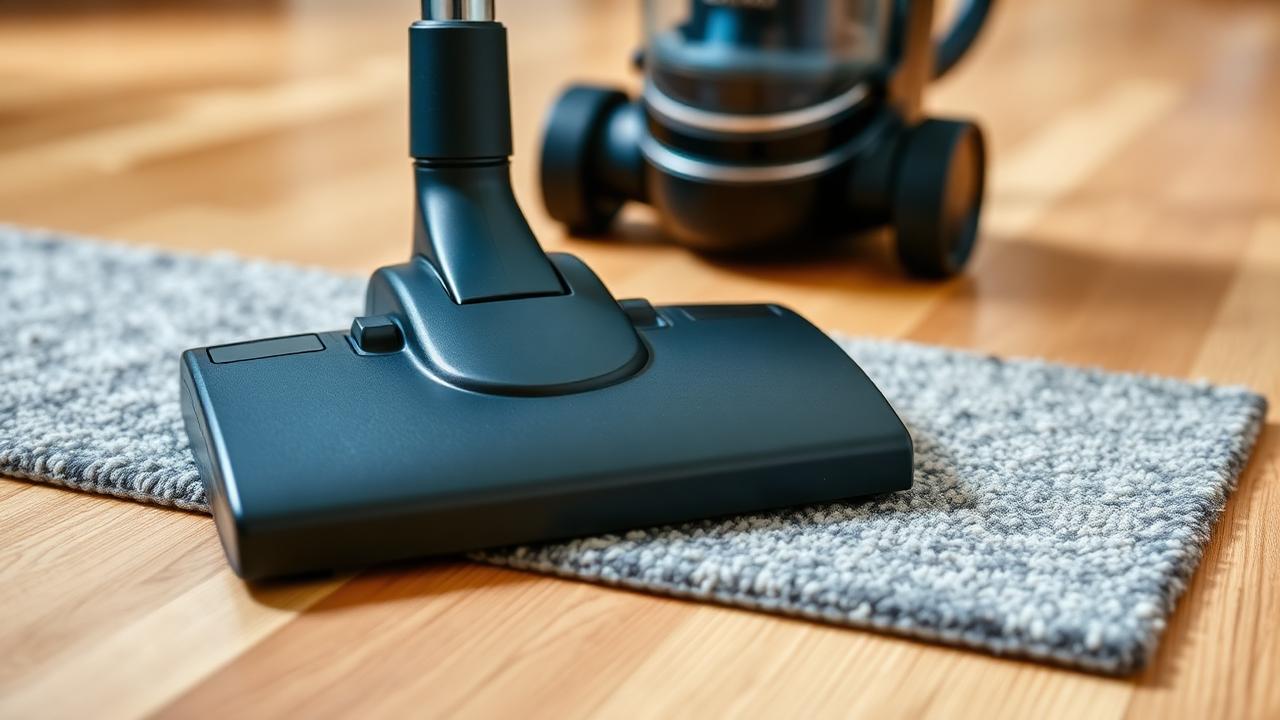
Step-by-Step Guide to Safely Clear a Vacuum Hose
Step 1: Disconnect and Power Down
Unplug the vacuum cleaner from the electrical outlet. Press the quick-release tabs or twist the hose collar counter-clockwise to detach the hose from both the vacuum base and the wand handle. Place the detached hose on a flat, well-lit surface.
Step 2: Locate the Blockage
Hold one end of the hose up to an overhead light or shine a flashlight down the opening while looking through the opposite end. If the bend prevents light from passing through, drop a small marble or heavy metal coin (like a quarter) into the top end. Note where the object stops rattling to identify the exact location of the clog.
Step 3: The Manual Push Method
If the clog is situated within reach of the hose ends:
- Insert the smooth, blunt end of a wooden broomstick or mop handle into the end closest to the blockage.
- Apply steady, gentle pressure against the mass. Do not jab or hammer the tool, as this compacts the debris into a tighter plug.
- Gently compress the accordion ribs of the hose toward the broomstick to inch the clog out of the opposite end.
Step 4: The Hook and Pull Technique
For clogs consisting primarily of hair, strings, or fibrous carpet threads:
- Straighten a wire coat hanger, leaving a small 1/4-inch hook at the end.
- Cover the sharp tip of the hook with electrical tape to create a smooth surface.
- Feed the wire into the hose until you contact the clog.
- Rotate the wire 360 degrees three to four times to snag the fibers, then slowly pull the mass backward out the entryway. Pulling the clog backward prevents jamming it further into narrower hose cuffs.
Step 5: The Shop-Vac Reverse Suction Method
If you have access to a second vacuum (such as a wet/dry utility vacuum):
- Seal the exhaust or suction nozzle of the second vacuum against the exit end of the clogged hose using your hands to form an airtight gasket.
- Turn on the utility vacuum to pull the obstruction backward out of the hose. This reverse airflow easily frees wedged bottle caps, small toys, or clumped pet hair.
Method Comparison: Choosing the Right Technique
| Method | Best For | Risk of Damage | Estimated Time |
|---|---|---|---|
| Broom Handle Push | Dry, compacted debris & paper | Low (if blunt) | 3–5 minutes |
| Padded Wire Hook | Hairballs, strings & fabric ribbons | Low to Moderate | 5–10 minutes |
| Reverse Suction | Rigid items (toys, bottle caps, pens) | None | 2–3 minutes |
| Warm Water Soak | Sticky residue, mud, caked dust | None (Non-electric only) | 20 minutes (+ dry time) |
How to Clean and Deodorize the Hose Post-Clog
Clogs often leave behind foul-smelling bacterial residue. If your hose does not contain internal electrical wiring for a motorized power nozzle, wash it thoroughly:
- Fill a utility sink or bathtub with 3 to 4 inches of warm water (100°F to 110°F).
- Add 1 tablespoon of liquid dish soap and 1 cup of distilled white vinegar to eliminate odors.
- Submerge the hose and work the soapy water back and forth through the interior by raising and lowering the ends in a see-saw motion.
- Drain the soapy water and flush the hose interior with clean running tap water for 60 seconds until all suds disappear.
- Drape the hose over a shower curtain rod or banister in a U-shape. Allow it to air-dry completely for 24 to 48 hours before reconnecting. Running air through a wet hose into a dry-only vacuum can destroy the motor and create mold colonies.
Preventing Future Vacuum Hose Clogs
- Never vacuum damp debris: Moisture causes drywall dust, soil, and pet dander to turn into a cement-like paste inside the corrugated ridges.
- Pick up large items by hand: Manually retrieve coins, paper clips, hair ties, toothpicks, and plastic wrappers before vacuuming floors.
- Empty the dust canister at 75% capacity: Overfilled collection bins push debris back into the hose intake, creating immediate bottleneck clogs.
- Inspect the intake port monthly: Check the junction point where the hose enters the vacuum canister or bag chamber, as this right-angle bend is the most common point for debris accumulation.
Frequently Asked Questions
Can I use water to unclog a vacuum hose with an electrified power head?
No. Never submerge or flush a vacuum hose that contains internal electrical wires (commonly found on canister vacuums with motorized carpet beaters). Water causes short circuits, destroys the wiring harness, and creates an electrical shock hazard. Clean electrified hoses using only dry mechanical methods like a padded wire snake or reverse suction.
Will hot water melt my vacuum hose?
Water above 130°F can soften the thermal bonding glue holding the hose to its end collars and cause the plastic ribs to permanently distort or collapse. Keep cleaning water at lukewarm to warm temperatures (100°F to 110°F), comparable to standard bathwater.
What should I do if a rigid item like a pen is wedged sideways in the hose?
Do not force a broomstick against a sideways item, as this can puncture the hose wall. Instead, locate the object with your fingers from the outside. Squeeze and flex the hose around the item to alter its angle, while using reverse suction from a secondary vacuum or pulling gently with a padded wire hook to coax it straight.
How long does a vacuum hose take to dry after washing?
A corrugated vacuum hose takes 24 to 48 hours to dry completely at room temperature (around 70°F). Because moisture collects within the deep spiral grooves, accelerate drying by hanging the hose vertically and pointing an oscillating fan at the bottom opening.
Cleneus is reader-supported. Pages carry display advertising and some outbound product links may earn us a commission, which never changes the methods we recommend. Read our disclosure.