
How to Use Carpet Deodorizer Powder Safely Around Pets
Learn how to use carpet deodorizer powder safely around pets. Follow our step-by-step guide, safe ingredient list, and vacuuming tips to protect your animals.
To use carpet deodorizer powder safely around pets, keep animals in a separate, closed room during application and vacuuming, apply a thin, even layer of pet-safe powder (such as pure sodium bicarbonate), wait 15 to 30 minutes, and vacuum thoroughly using a sealed HEPA-filter vacuum before letting your pets re-enter.
Why Carpet Deodorizers Pose Risks to Pets
Carpet deodorizing powders freshen high-traffic areas, but pets experience floors differently than humans. Dogs and cats spend their lives close to carpet fibers, where airborne dust and settled chemical residues settle directly into their breathing zones and onto their fur.
- Respiratory Vulnerability: Cats and small dogs have sensitive respiratory tracts. Inhaling micro-powders, artificial fragrances, or talc can trigger asthma attacks, coughing fits, and nasal inflammation.
- Grooming and Ingestion: Pets walk across treated rugs, trapping powder residues between paw pads. When grooming themselves later, they ingest these chemical residues.
- Topical Irritation: Direct skin contact with chemical fragrances or harsh surfactants can cause contact dermatitis, dry skin, and compulsive paw licking.
Safe vs. Hazardous Carpet Deodorizer Ingredients
Before purchasing or mixing a carpet freshener, inspect the label. Commercial products frequently contain artificial musks, phthalates, and drying agents that are not pet-safe.
| Ingredient Type | Safety Status | Common Examples | Pet Impact |
|---|---|---|---|
| Pure Sodium Bicarbonate | Pet-Safe | Baking soda | Non-toxic in small amounts; absorbs acid and base odors naturally. |
| Cornstarch | Pet-Safe | Pure food-grade cornstarch | Safe base for absorbing light grease and moisture without harsh chemicals. |
| Synthetic Fragrances & Phthalates | Hazardous | Parfum, artificial musk, limonene | Can cause respiratory distress, allergic skin reactions, and long-term toxicity. |
| High-Concentration Essential Oils | Hazardous | Tea tree, wintergreen, eucalyptus, citrus oils | Highly toxic to cats and dogs if inhaled, absorbed through skin, or ingested. |
| Talc / Hydrated Magnesium Silicate | Hazardous | Cosmetic talcum powder | Inhalation hazard that can irritate the lungs and settle deeply in airways. |
Step-by-Step Guide to Applying Carpet Powder Safely
Follow this standard operating procedure to eliminate pet odors without compromising your animal's health.
Step 1: Remove Pets from the Target Zone
Move dogs, cats, birds, and small caged mammals to a separate room with a closed door. Ensure the room has fresh air and water. Do not allow pets to re-enter until the final vacuuming step is fully completed.
Step 2: Pre-Vacuum and Prep the Carpet
Ensure the carpet is 100% dry. Applying powders to damp or wet carpet—especially after steam cleaning or a fresh pet urine accident—creates a sticky paste that locks into carpet fibers, making it nearly impossible to vacuum out. Run a quick pre-vacuum pass to lift carpet pile and remove surface pet hair.
Step 3: Apply the Powder Sparingly
Avoid dumping heavy piles of powder onto the floor. Measure approximately 1/2 cup (about 110 grams) of pure baking soda per 100 square feet of carpet. Sprinkle a fine, even dust across the rug using a fine-mesh shaker.
Step 4: Observe the Dwell Time
Let the powder sit undisturbed for 15 to 30 minutes. This provides sufficient contact time for the sodium bicarbonate to neutralize odor molecules without allowing fine dust to disperse throughout the house via HVAC air currents.
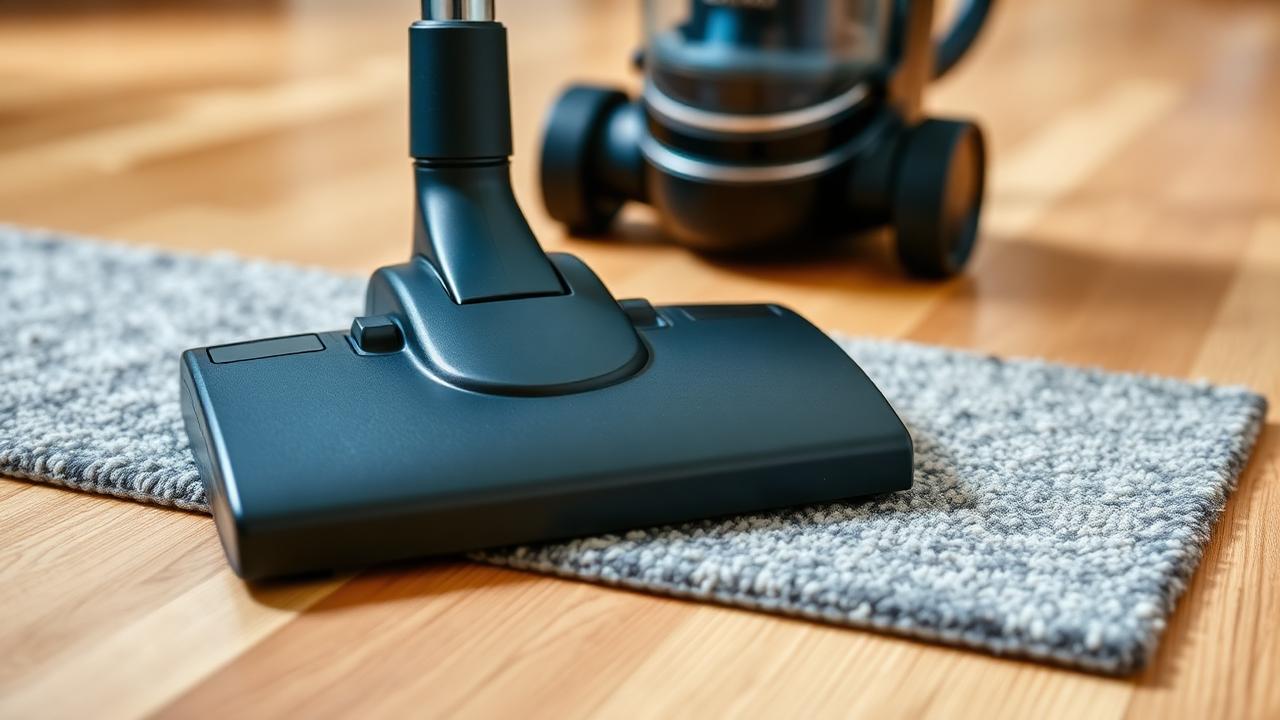
Step 5: Vacuum with a Sealed HEPA System
Use a vacuum cleaner equipped with a sealed HEPA filtration system. Standard single-stage filters can exhaust fine powder back into the room's air. Make two slow, overlapping passes over every square foot of carpet:
- First pass: North-to-south direction at a speed of roughly 1 foot per second to agitate fibers and pull powder from the backing.
- Second pass: East-to-west direction to ensure deep extraction across all pile angles.
Step 6: Ventilate and Reintroduce Pets
Open windows or run an air purifier for 10 minutes following the vacuuming process to clear any suspended micro-dust. Once the carpet feels clean to the touch with zero powdery residue on your hand, allow your pets back into the room.
DIY Pet-Safe Carpet Deodorizer Recipe
The safest deodorizer is one you mix yourself using human-grade pantry staples. This recipe neutralizes odors mechanically and chemically without adding airborne toxins.
- 1 cup (220g) Food-Grade Baking Soda: Acts as the primary odor neutralizer.
- 1/2 cup (64g) Cornstarch: Helps bind moisture and light oils from pet dander.
- Optional: 1 tablespoon Dried Lavender or Chamomile Buds (Ground to fine powder): Provides a mild, natural scent that is safe for dogs in trace concentrations. Skip botanicals entirely if you have cats or pet birds.
Whisk ingredients together in a clean bowl and transfer into a clean spice shaker or grated container for easy application.
Vacuum Cleaner Maintenance When Using Powders
Carpet powders place extra strain on vacuum cleaners. Fine powders bypass basic pre-filters and coat motor components or clog cyclone assemblies.
- Empty the Dustbin Frequently: When vacuuming deodorizing powders, empty the bag or dust canister when it reaches half-full to prevent suction drop and motor overheating.
- Wash or Tap Pre-Motor Filters: Rinse foam pre-motor filters under cold water every 2 to 3 powder cleaning sessions, letting them air dry for 24 hours before reassembly.
- Inspect Brush Rollers: Fine powders absorb bearing lubricants over time. Clear trapped pet hair from the brush roller end caps after each deep deodorizing session.
Signs Your Pet May Have Inhaled or Ingested Powder
If an animal accidentally enters a room while powder is on the carpet, monitor them for the following adverse symptoms over the next 12 to 24 hours:
- Persistent sneezing, reverse sneezing, or watery eyes
- Repetitive dry coughing, wheezing, or labored breathing
- Excessive paw licking, face rubbing, or skin redness
- Vomiting, drooling, or lethargy (common if chemical fragrances or essential oils were ingested)
If you notice respiratory distress or persistent vomiting, wipe the pet's paws and muzzle with a damp microfiber cloth and contact your veterinarian immediately.
Conclusion
Deodorizing carpets does not require compromising your pet's respiratory or gastrointestinal health. By sticking to non-toxic bases like pure baking soda, keeping pets isolated during the treatment, and using a high-filtration HEPA vacuum, you can maintain fresh, odor-free floors while keeping your animals safe.
Cleneus is reader-supported. Pages carry display advertising and some outbound product links may earn us a commission, which never changes the methods we recommend. Read our disclosure.