
How to Wash a Memory Foam Bath Mat Without Ruining the Backing
Learn how to wash a memory foam bath mat safely without cracking or peeling the rubber backing. Step-by-step machine and hand washing guide.
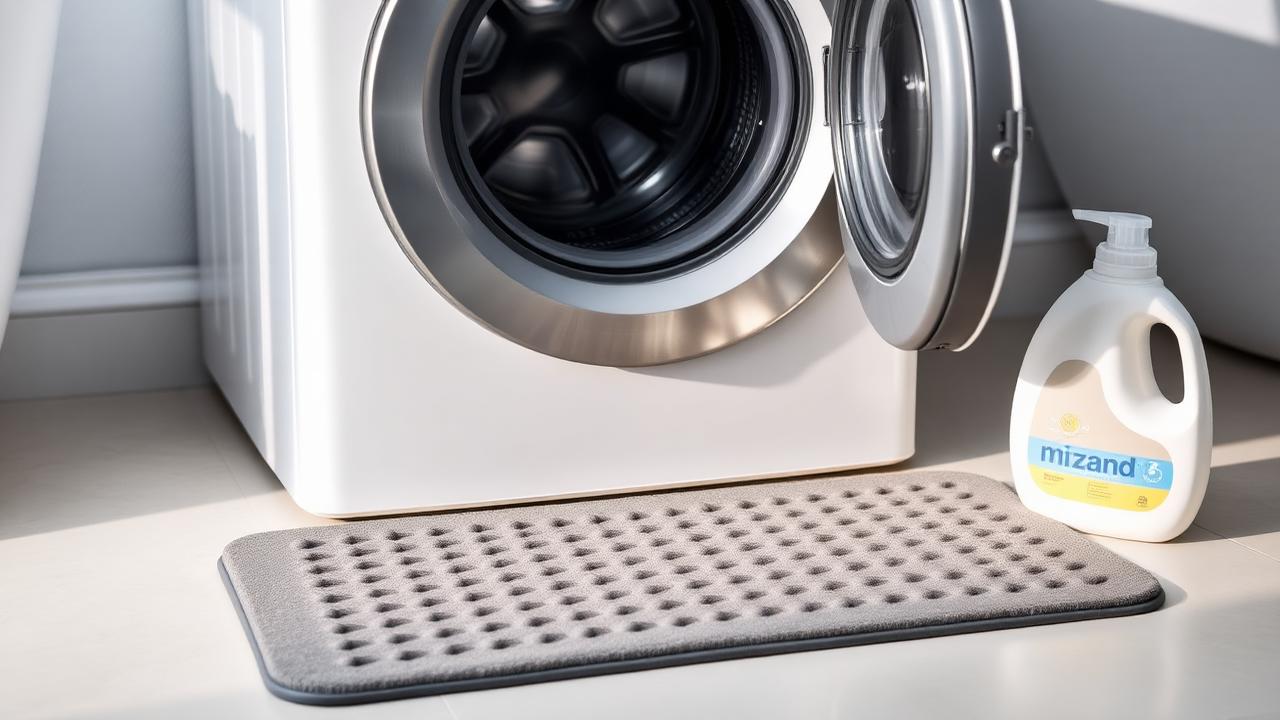
To wash a memory foam bath mat without ruining its backing, wash it on a delicate cycle using cold water (at or below 86°F / 30°C) with 1 to 2 tablespoons (15–30 ml) of gentle liquid laundry detergent, then air-dry it flat. Never use hot water, chlorine bleach, fabric softeners, or high-heat tumble dryers, as these will melt, crack, and disintegrate latex, PVC, or TPR (thermoplastic rubber) backings. Washing the mat inside an extra-large mesh laundry bag provides an additional layer of mechanical protection against drum friction.
Why Memory Foam Bath Mat Backings Deteriorate
The non-slip backing on memory foam mats is typically manufactured from natural latex, polyurethane, PVC, or thermoplastic rubber (TPR). While these materials provide grip on wet bathroom tiles, they are exceptionally vulnerable to three laundry factors:
- Thermal Shock: Heat exceeding 105°F (40°C) breaks the polymer bonds in rubber and latex, causing the backing to become sticky, crack, or flake off in small particles.
- Chemical Degradation: Bleach and quaternary ammonium compounds (found in standard fabric softeners) strip the plasticizers from synthetic backings, rendering them brittle and powdery.
- Frictional Shear: The aggressive spinning motion and central agitators of standard top-load washing machines physically tear the adhered rubber base away from the internal polyurethane foam core.
Supplies and Tools Required
Before cleaning your mat, gather these specific materials to protect both the plush microfiber surface and the rubber base:
- Detergent: 1 to 2 tablespoons (15–30 ml) of mild, pH-neutral liquid detergent (free of enzymes, optical brighteners, and fabric softeners).
- Odor Neutralizer (Optional): 1/2 cup (120 ml) of distilled white vinegar (added only during the rinse cycle).
- Protective Gear: Extra-large zippered mesh laundry wash bag (minimum 24 x 36 inches).
- Drying Aids: Two large, clean, dry cotton bath towels and a sturdy, rust-proof clothes drying rack.
Step-by-Step: Machine Washing Without Damaging the Backing
Machine washing is safe for most modern memory foam bath mats if you strictly configure the cycle parameters to eliminate heat and excessive friction.
Step 1: Dry Pre-Cleaning and Inspection
Take the mat outside and shake it vigorously to remove loose hair, lint, and dry debris. Inspect the non-slip backing for existing cracks or peeling sections. If the backing is already crumbling significantly, switch to the hand-washing method described below to prevent loose rubber particles from clogging your washer's drain pump.
Step 2: Protect the Mat in a Mesh Bag
Fold the mat loosely in half with the soft microfiber side facing outward and the rubber backing facing inward. Place the folded mat into an extra-large mesh laundry bag and zip it closed. This prevents the rubber surface from rubbing directly against the washing machine drum.
Step 3: Balance the Machine Load
Never wash a memory foam bath mat completely alone in a large drum, as it will absorb substantial water weight and cause the machine to become off-balance during spinning. Add two or three lightweight cotton bath towels of similar colors to distribute the load evenly.
Step 4: Select the Correct Machine Settings
Adjust your washing machine dials to the following exact settings:
- Cycle: Delicate, Gentle, or Hand Wash.
- Water Temperature: Cold (60°F–80°F / 15°C–27°C; do not exceed 86°F / 30°C).
- Spin Speed: Low or Medium (maximum 600–800 RPM). Never use "Max Extract" or high-spin settings.
- Soil Level: Light to Medium.
Step 5: Dispense Detergent and Run the Cycle
Add 1 tablespoon of gentle liquid detergent directly to the detergent drawer. Do not use laundry pods placed directly on the mat, as they require warm water to dissolve fully and can leave concentrated chemical residues that degrade latex. Start the cycle.
How to Hand Wash a Fragile Memory Foam Bath Mat
Hand washing is the safest method for older mats, mats with natural latex backing, or mats showing initial signs of wear.
Step 1: Prepare the Soaking Solution
Fill a clean bathtub or large laundry basin with 3 to 4 inches of cool water (around 70°F / 21°C). Stir in 1 tablespoon (15 ml) of gentle liquid laundry detergent or mild dish soap until completely dissolved and sudsy.
Step 2: Submerge and Cleanse
Submerge the bath mat completely with the fabric side up. Gently press down on the foam with flat hands across the entire surface to pump the soapy water through the memory foam core. Do not scrub the backing with stiff brushes, twist the mat, or fold it sharply. Let the mat soak for 15 minutes.
Step 3: Rinse Thoroughly
Drain the soapy water. Run cold water from the tap or showerhead over the mat while pressing down repeatedly with your hands until the runoff is completely clear of soap bubbles. Residual soap trapped in the foam will attract dirt and accelerate backing degradation over time.
Washing Methods Compared
| Method | Risk to Backing | Time Required | Water Temp | Recommended Frequency |
|---|---|---|---|---|
| Front-Load Machine Wash | Low | 35–45 minutes | Cold (< 86°F) | Every 2–3 weeks |
| Top-Load Machine (No Agitator) | Low to Moderate | 35–45 minutes | Cold (< 86°F) | Every 2–3 weeks |
| Top-Load Machine (With Agitator) | High | 30–40 minutes | Cold (< 86°F) | Not Recommended |
| Hand Wash in Bathtub | Very Low | 25–30 minutes | Cool (< 75°F) | Every 3–4 weeks |
| Spot Cleaning | None | 5–10 minutes | Lukewarm | As needed for spills |
How to Dry a Memory Foam Bath Mat Safely
Drying is where over 80% of backing damage occurs. Never place a memory foam mat into a tumble dryer, even on low heat or "air fluff" settings, as the internal friction and residual drum heat will degrade rubber quickly.
The Towel-Roll Water Extraction Method
Memory foam retains gallons of water after washing. To accelerate air drying without stressing the backing:
- Lay a large, dry cotton towel flat on a clean, waterproof floor.
- Place the wet bath mat on top, fabric side down (backing facing you).
- Place a second dry towel on top of the rubber backing.
- Roll the layered towels and mat into a tight cylinder.
- Walk gently across the rolled towel cylinder or press down firmly with your knees for 60 seconds to transfer water from the foam core into the outer towels.
- Unroll and remove the damp towels.
Air-Drying Guidelines
Hang the mat horizontally over a multi-bar clothes drying rack or across two parallel shower curtain rods. Ensure the non-slip backing faces upward or toward an area with good air circulation, away from direct sunlight and away from direct heat sources like space heaters or baseboard radiators. Use a floor fan set on medium speed aimed directly at the mat to reduce drying time from 24 hours down to 8–12 hours.
Frequently Asked Questions
Can you put a memory foam bath mat in the dryer on no heat?
It is not recommended. Even on the "Air Fluff" or no-heat cycle, the mechanical tumbling action causes the rubber backing to rub against the metal drum walls, creating friction heat and physical abrasion that tears fragile non-slip layers.
How do you remove mildew odors from a memory foam bath mat?
Add 1/2 cup (120 ml) of distilled white vinegar to the fabric softener dispenser of your washing machine during a cold delicate cycle. Vinegar naturally neutralizes mold and mildew spores without breaking down rubber or synthetic foam.
How often should memory foam bath mats be washed?
In a standard household of 1 to 2 people, wash your memory foam bath mat every two to three weeks. In households with 3 or more people or bathrooms with poor ventilation, wash the mat every 7 to 10 days to prevent bacterial and mold accumulation inside the core.
Can you repair a rubber backing that is already peeling?
Minor peeling along the edges can be temporarily stabilized using a small application of flexible, waterproof fabric adhesive or liquid latex sealant. However, if the backing is disintegrating into powder across the main body, the mat has reached the end of its lifespan and should be replaced to avoid slip hazards.
Cleneus is reader-supported. Pages carry display advertising and some outbound product links may earn us a commission, which never changes the methods we recommend. Read our disclosure.