
Kitchen Cleaning Checklist: Daily, Weekly, and Deep Clean Schedules
Master your kitchen routine with this complete kitchen cleaning checklist. Includes daily, weekly, monthly, and seasonal deep-clean tasks with exact steps.
A comprehensive kitchen cleaning checklist divides chores into daily maintenance, weekly sanitization, monthly appliance care, and seasonal deep cleaning to prevent grease buildup, foodborne pathogens, and clutter. By following a structured schedule using proven degreasers, disinfectants, and microfiber tools, you can maintain a commercial-grade level of hygiene in 15 minutes a day alongside focused weekly and monthly routines.
Essential Kitchen Cleaning Supplies and Equipment
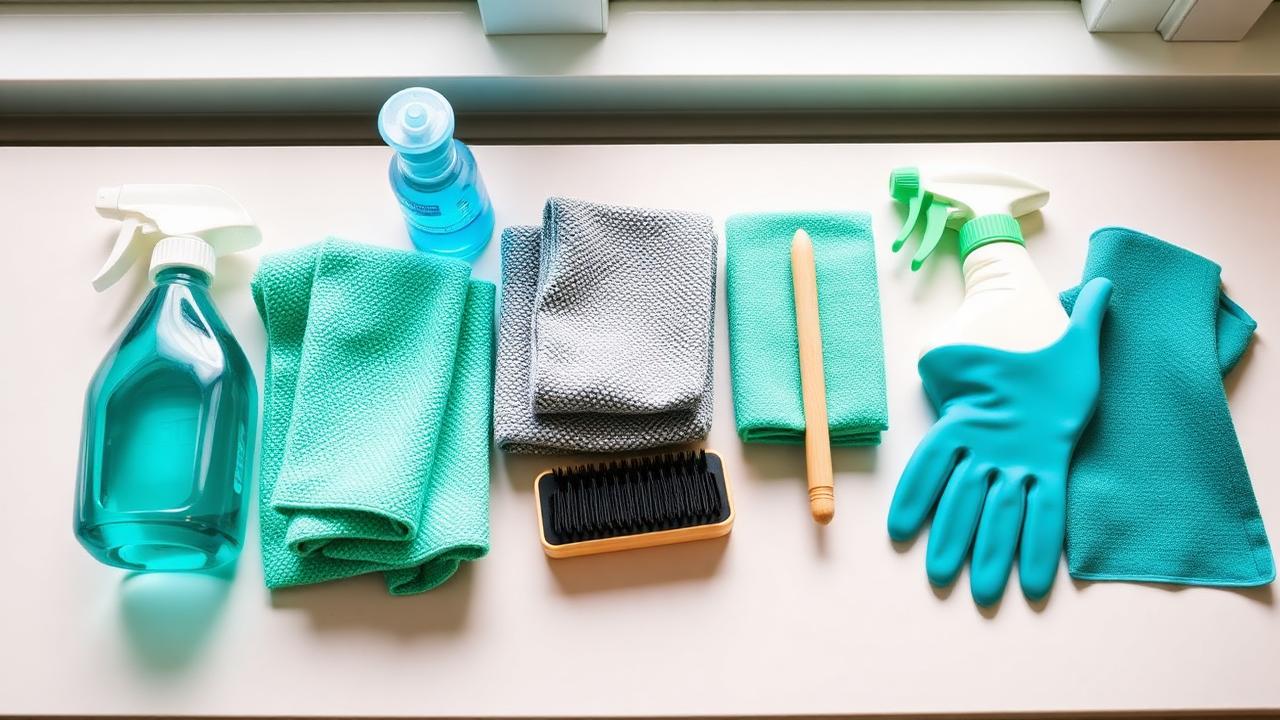
Before starting any kitchen cleaning routine, assemble the proper tools and cleaning agents to work efficiently without damaging sensitive surfaces like quartz, granite, or stainless steel.
- Color-Coded Microfiber Cloths (300+ GSM): Designate blue for food-contact surfaces, yellow for general wiping, and red for high-germ zones like trash cans.
- pH-Neutral Dish Soap: Concentrated formulas like Dawn Original for breaking surface grease.
- Distilled White Vinegar (5% Acidity): For descaling mineral deposits and clearing glass. (Avoid on natural stone).
- Baking Soda (Sodium Bicarbonate): A mild abrasive (Mohs hardness 2.5) for scouring sinks and baked-on cookware.
- Bar Keepers Friend (Oxalic Acid): For stainless steel cookware, porcelain sinks, and rust spots.
- Enzymatic Degreaser: Heavy-duty spray formulated for range hoods and greasy cabinet fronts.
- EPA-Registered Disinfectant: Hydrogen peroxide-based or quaternary ammonium spray for sanitizing prep zones.
- Tools: Nylon-bristle detail brush, non-scratch scrub sponges, flat-head mop, and telescoping duster.
Daily Kitchen Cleaning Checklist (15 to 20 Minutes)
Complete these tasks each evening to prevent bacterial cross-contamination, deter household pests, and maintain reset counters for morning meal preparation.
- Clear and Wash the Dishes: Run the dishwasher or wash cookware by hand with hot water (minimum 110°F) and dish soap. Do not leave dishes soaking overnight to avoid bacterial proliferation.
- Scrub and Sanitize the Sink: Rinse food particles into the disposal. Wash the basin using 1 tablespoon of dish soap and a non-scratch sponge. Spray the basin, faucet, and handles with an EPA-registered disinfectant, allowing a 5-minute wet dwell time before rinsing.
- Wipe Countertops: Clear items and wipe down all food preparation surfaces using a damp microfiber cloth and surface-safe cleaner (pH-neutral cleaner for granite/quartz; 1:1 water-vinegar solution for laminate/solid surface).
- Clean the Stovetop: Remove fresh splatters using a damp microfiber cloth and a drop of degreasing dish soap before residues polymerize from heat.
- Sweep the Kitchen Floor: Sweep high-traffic zones and under toe-kicks with an angled broom or cordless stick vacuum to capture crumbs.
- Replace Dish Towels: Swap out hand towels and dishcloths daily. Kitchen linens harbor high concentrations of E. coli and moisture-loving microbes.
Weekly Kitchen Cleaning Checklist (45 to 60 Minutes)
Weekly maintenance targets secondary surfaces, high-touch germ points, and visible grime accumulation across larger kitchen zones.
- Sanitize High-Touch Contact Points: Disinfect refrigerator handles, cabinet knobs, microwave touchpads, light switches, and trash can lids using a disinfectant wipe or hydrogen peroxide spray.
- Wipe Appliance Exteriors: Polish stainless steel with a dedicated stainless cleaner applied with the metal grain. Wipe down small appliances including toasters, blenders, and stand mixers.
- Clean the Microwave Interior: Place a microwave-safe bowl containing 1 cup of water and 2 tablespoons of distilled white vinegar inside. Heat on high for 4 minutes, allow the steam to sit for 3 minutes to soften splatters, then wipe clean with a microfiber cloth.
- Sanitize the Kitchen Trash Can: Empty the bin, spray the interior and exterior thoroughly with a disinfectant spray, let sit for 10 minutes, and wipe clean before relining.
- Degrease the Backsplash: Spray cooking oil splatters behind the cooktop with a mild degreaser, let sit for 2 minutes, and wipe dry with a clean microfiber towel.
- Mop the Floors: Mop the entire floor using a microfiber mop dampened with warm water (120°F) and 1 ounce of neutral floor cleaner per gallon of water.
Monthly Kitchen Cleaning Checklist (1 to 2 Hours)
Monthly kitchen cleaning preserves appliance functionality, eliminates hidden odors, and addresses areas overlooked during daily routines.
- Deep-Clean the Dishwasher: Clear debris from the base filter using a soft toothbrush and warm soapy water. Place 1 cup of white vinegar on the top rack and run a hot water sanitization cycle.
- Clean the Refrigerator Interior: Discard expired foods. Remove shelves and drawers; wash them in warm, soapy water (allow glass to reach room temperature first to avoid thermal shock). Wipe interior walls with a mixture of 2 tablespoons of baking soda dissolved in 1 quart of warm water.
- Degrease Range Hood Baffle Filters: Remove metal filters and submerge them in a sink filled with boiling water, 1/4 cup of baking soda, and 2 tablespoons of concentrated degreasing dish soap. Soak for 20 minutes, scrub lightly, rinse, and dry completely before reinstalling.
- Clean and Deodorize the Garbage Disposal: Drop 6 ice cubes, 1 tablespoon of baking soda, and 3 lemon wedges into the disposal. Run cold water and activate the disposal for 30 seconds to sharpen blades and strip organic slime from the chamber.
- Wipe Down Cabinet Doors: Dissolve 2 tablespoons of dish soap into 1 gallon of warm water. Wipe cabinet faces, paying special attention to areas around hardware where skin oils and cooking vapor gather. Dry immediately with a clean towel.
- Descale the Coffee Maker or Kettle: Fill the reservoir with a 1:1 mixture of water and white vinegar. Run half a brew cycle, pause for 30 minutes, complete the cycle, and follow with two cycles of fresh, filtered water.
Quarterly and Deep Cleaning Kitchen Checklist (3 to 4 Hours)
Execute these intensive deep-cleaning procedures every 3 to 6 months to maintain high performance and safety standards throughout the home.
- Deep Clean the Oven: Apply a paste made of 1/2 cup baking soda and 3 tablespoons water to interior surfaces (avoid heating elements and gas igniters). Let sit for 8 to 12 hours. Spray with white vinegar to foam, then wipe clean with damp rags.
- Clean Refrigerator Condenser Coils: Unplug the refrigerator. Use a specialized coil brush and vacuum crevice attachment to remove pet hair and dust from the front lower kick-plate or rear coils to restore cooling efficiency and reduce electrical draw.
- Move Appliances and Clean Behind Them: Carefully pull out the range and refrigerator to sweep and mop trapped grease, dropped food, and dust buildup on adjacent walls and baseboards.
- Purge and Wipe the Pantry: Empty all shelves, vacuum crumbs from corners, wipe surfaces with an all-purpose cleaner, and check bulk goods for pantry pests (such as weevils or moths). Store grains in airtight borosilicate glass or BPA-free plastic containers.
- Condition Butcher Block & Stone Surfaces: Strip wooden cutting boards and butcher block counters with coarse salt and half a lemon, let dry, and apply food-grade mineral oil. Reseal natural stone counters with a fluoropolymer-based impregnating sealer according to manufacturer specs.
Kitchen Cleaning Frequency Reference Guide
| Task | Frequency | Recommended Cleaner / Tool | Target Time |
|---|---|---|---|
| Dishes & Basin Disinfection | Daily | Dawn Soap + EPA Disinfectant | 10 minutes |
| Counter & Stovetop Wipe-Down | Daily | pH-Neutral Surface Cleaner + Microfiber | 5 minutes |
| Microwave Steam Clean | Weekly | 1 Cup Water + 2 Tbsp White Vinegar | 8 minutes |
| Floor Mop & Vacuum | Weekly | Neutral Floor Cleaner + Microfiber Mop | 15 minutes |
| Range Hood Filter Soak | Monthly | Boiling Water + Baking Soda + Degreaser | 25 minutes |
| Refrigerator Interior Wash | Monthly | Baking Soda Solution (2 tbsp / 1 qt water) | 30 minutes |
| Oven Interior Deep Clean | Quarterly | Baking Soda Paste + Distilled Vinegar | 45 minutes (active) |
| Condenser Coil Vacuuming | Bi-Annually | Coil Brush + HEPA Vacuum Crevice Tool | 15 minutes |
Frequently Asked Questions
What is the most sanitary order to clean a kitchen?
Always clean from top to bottom and dry to wet. Dust high cabinet tops, light fixtures, and shelves first so loose debris falls downward. Next, wipe upper cabinets, range hoods, backsplashes, and countertops. Clean appliances and sinks next. Finish by sweeping, vacuuming, and mopping the floor to avoid tracking dust across clean surfaces.
How do I sanitize kitchen sponges between uses?
Wet the sponge completely and microwave it on high power for 90 seconds to kill up to 99% of bacteria, or run it through a full dishwasher cycle with the heated dry setting enabled. Replace kitchen sponges every two weeks, or immediately if they develop a persistent odor.
Can I use vinegar on all kitchen surfaces?
No. Distilled white vinegar contains acetic acid, which etches and dulls natural stone surfaces including marble, granite, slate, and limestone. It can also degrade the protective finish on hardwood floors and corrode unsealed rubber gaskets inside dishwashers. Use pH-neutral dish soap and warm water for these materials instead.
Cleneus is reader-supported. Pages carry display advertising and some outbound product links may earn us a commission, which never changes the methods we recommend. Read our disclosure.