
Why Do Grease Stains Reappear on Clothes After Washing?
Discover why grease stains reappear on clothes after washing and learn the exact temperatures, products, and techniques to permanently remove them.
Grease stains reappear on clothes after washing because laundry detergents often fail to break down hydrophobic lipid bonds in cold water, leaving behind microscopic oil residues. While wet fabric conceals these oily residues due to light refraction, the translucent, dark spots become visible again once the fabric dries or encounters the heat of a tumble dryer. Additionally, synthetic fabrics like polyester chemically attract oils, and standard laundry cycles can trap these lipids deep inside the weave beneath layers of fabric softener wax.
The Science: Why Oil Stains Seem to Vanish and Return
Understanding why oil spots return requires looking at the molecular behavior of lipids and fabric fibers. Several chemical and physical factors cause this frustrating cycle:
- Optical Refraction of Wet Fabric: Water darkens fabric fibers uniformly. When an oil-stained garment comes out of the wash wet, the light reflects off the wet fibers evenly, masking the grease spot. As the water evaporates during drying, the optical contrast returns, revealing the translucent grease spot.
- Oleophilic Synthetic Fibers: Synthetic materials such as polyester, nylon, and spandex are petroleum-based. Chemically, they are oleophilic (oil-loving) and hydrophobic (water-repelling). When vegetable oil, butter, or sebum touches polyester, it forms a tight chemical bond with the synthetic polymer that standard water-based detergents cannot easily dissolve without targeted surfactants.
- Heat Polymerization in the Dryer: If an oil stain is not 100% removed during the wash cycle and the garment enters a high-heat tumble dryer (135°F to 150°F), the heat oxidizes and polymerizes the remaining lipids. This bakes the fatty acids into the fiber core, making them significantly harder to extract on subsequent attempts.
- Fabric Softener and Detergent Buildup: Liquid fabric softeners and dryer sheets coat fibers with a thin layer of silicone or quaternary ammonium compounds. This waxy coating seals residual oil underneath, preventing water and standard detergents from reaching the stain in future washes.
Common Laundry Mistakes That Cause Grease to Return
Most laundry routines are optimized for everyday dust, sweat, and water-soluble dirt rather than concentrated fats. These common errors prevent complete grease removal:
- Washing in Cold Water: Animal fats and saturated oils (such as butter, lard, and coconut oil) have melting points between 90°F and 120°F. Washing in cold water (below 75°F) solidifies these fats, embedding them further into the weave rather than liquefying and emulsifying them.
- Using Detergent Without Specific Enzymes: Standard budget detergents lack lipase, the specific enzyme required to break down fatty esters into water-soluble glycerol and fatty acids.
- Overloading the Washing Machine: Clothes need sufficient space to generate friction and mechanical agitation. In an overloaded drum, garments cannot rub against one another to dislodge oily soils, leaving detergent unable to penetrate dense fabrics.
- Skipping Pretreatment: Adding an oil-stained shirt directly to a standard load dilutes the detergent across the entire water volume, dropping surfactant concentration below the threshold needed to strip concentrated grease.
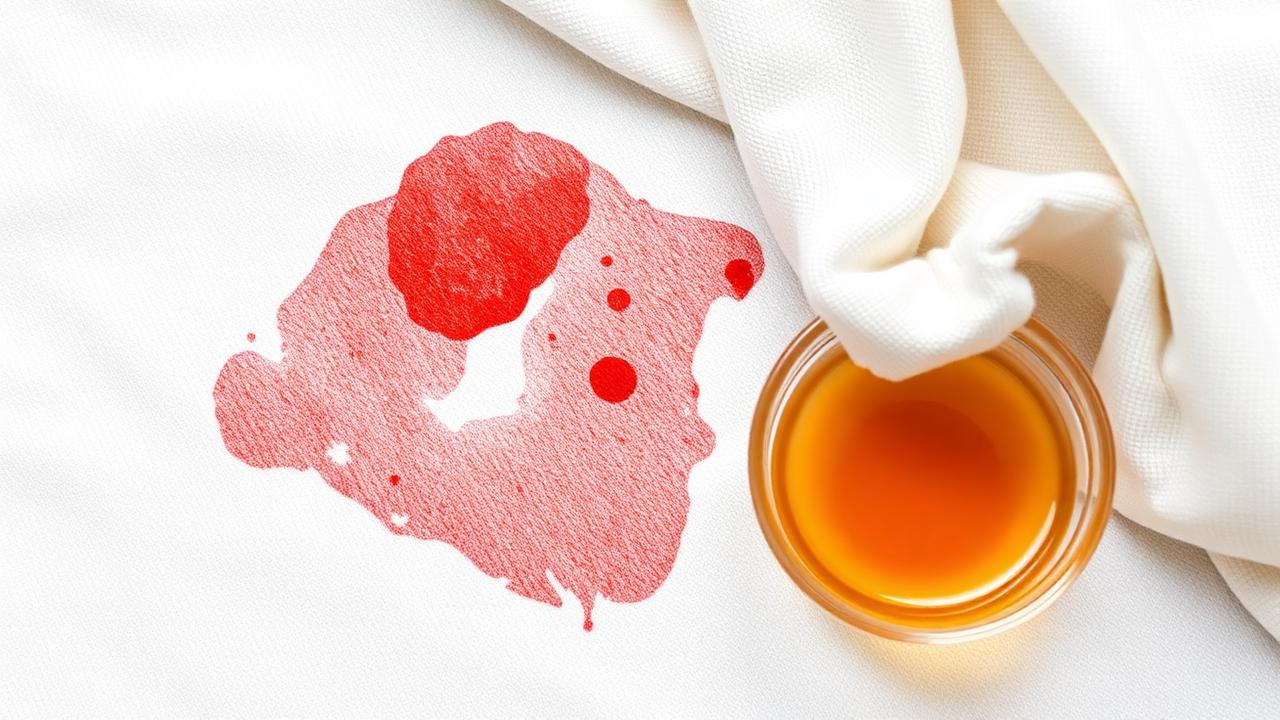
How to Remove Set-In, Reappeared Grease Stains Step-by-Step
If a grease stain has reappeared after drying, follow this targeted chemical extraction process to strip the lipids without damaging your fabric.
Required Supplies
- Liquid dish soap containing concentrated degreasers (such as standard blue Dawn)
- Baking soda or pure cornstarch
- Soft-bristled brush (or an old, soft toothbrush)
- Enzyme-based liquid laundry detergent containing lipase
- Hot water (rated for the garment's maximum fabric tolerance)
Step 1: Apply a Dry Absorbent (For Heavy or Thick Oils)
If the stain contains fresh residue or heavy engine/cooking oil, sprinkle 1 to 2 teaspoons of cornstarch or baking soda directly over the dry stain. Let it sit undisturbed for 15 to 30 minutes to pull surface lipids out of the upper fiber layer. Brush the powder away gently into a trash bin.
Step 2: Apply a Surfactant Pretreatment
Place a clean piece of cardboard or a white cloth inside the garment directly beneath the stain to stop oil transferring to the other side. Apply approximately 1 teaspoon (5 ml) of concentrated liquid dish soap directly to the grease mark. Work the soap gently into the fibers using your fingers or a soft-bristled brush in circular motions for 60 seconds.
Step 3: Allow Dwell Time
Allow the degreasing surfactants to break down the lipid bonds for at least 20 to 30 minutes at room temperature. Do not let the soap dry out completely; if it begins to dry, add a few drops of warm water to keep the surfactants active.
Step 4: Mechanical Scrub with Baking Soda
Add 1/2 teaspoon of baking soda directly on top of the dish soap. Use the soft brush to scrub the area gently for 1 to 2 minutes. The baking soda acts as a mild mechanical abrasive to release lipids trapped deep within the fiber weave without abrading the cloth.
Step 5: Flush and Wash at High Temperature
Rinse the treated zone with hot tap water (120°F / 50°C) running through the back of the fabric to push the grease out rather than deeper in. Immediately place the garment in the washing machine. Wash on the hottest cycle recommended on the garment's care tag (typically 105°F to 140°F) using a full dose of heavy-duty, enzyme-rich liquid detergent. Add 1/2 cup of washing soda (sodium carbonate) directly to the drum for an extra alkalinity boost.
Step 6: Air-Dry and Inspect
Do not place the garment in the dryer. Hang the item to air-dry completely under natural light. Once bone dry, inspect the area closely from multiple angles. If a faint ring remains, repeat the dish soap treatment before exposing the garment to any dryer heat.
Comparison of Grease Types and Treatment Methods
| Grease Type | Primary Component | Optimal Wash Temp | Best Pretreatment Agent | Recommended Dwell Time |
|---|---|---|---|---|
| Cooking Oil (Olive, Canola) | Liquid Triglycerides | 105°F – 120°F (Warm/Hot) | Concentrated Dish Soap (Dawn) | 20–30 minutes |
| Animal Fats (Butter, Lard) | Saturated Fatty Acids | 120°F – 140°F (Hot) | Dish Soap + Baking Soda Paste | 30 minutes |
| Motor Oil & Mechanical Grease | Hydrocarbons & Heavy Polymers | 130°F – 140°F (Hot) | Citrus-based Solvent or WD-40 + Dish Soap | 45 minutes |
| Body Oils & Collar Sebum | Squalene, Wax Esters, Keratin | 105°F – 120°F (Warm) | Enzyme Pretreat (Lipase + Protease) | 60 minutes |
| Cosmetic Oils (Lotions, Foundations) | Mineral Oils & Emollients | 105°F – 120°F (Warm) | Micellar Water or Rubbing Alcohol + Dish Soap | 15–20 minutes |
Preventing Reappearing Grease Stains in Future Washes
Prevent grease and oil from lingering on your wardrobe with these key maintenance strategies:
- Eliminate Liquid Fabric Softeners on Synthetics: Never use fabric softener on activewear, polyester blouses, or nylon jackets. Use 1/2 cup of distilled white vinegar in the fabric softener dispenser instead. The acetic acid dissolves detergent residue and prevents wax buildup.
- Run a Monthly Washing Machine Clean Cycle: Grease, body oils, and unrinsed detergent build up on the outside of your washing machine drum. Once a month, run an empty maintenance cycle using the hottest water setting and 2 cups of white vinegar or a dedicated washing machine cleaner tablet containing sodium percarbonate.
- Treat Oil Spots Immediately: Do not let oil sit in a laundry hamper for days. The longer lipids remain on fibers, the more they oxidize and polymerize, turning an easily soluble liquid into a permanent stain.
Frequently Asked Questions
Can baking soda and vinegar remove reappeared grease stains?
Baking soda works well as an absorbent and mild abrasive, but mixing it with vinegar in a bowl neutralizes both compounds into basic saltwater and carbon dioxide gas. For best results, use baking soda with dish soap to scrub out the oil, and use distilled white vinegar separately in the final rinse cycle to strip away mineral and surfactant residues.
Will WD-40 remove an old, dried grease stain?
Yes. WD-40 acts as a solvent to break down old, dried, polymerized grease stains by reliquefying the hardened lipids. Spray a small amount of WD-40 onto the set-in stain, let it sit for 10 minutes to soften the oil, and then apply concentrated dish soap to wash out both the WD-40 and the underlying grease spot.
Why do grease stains show up after using the dryer?
Grease stains often appear after drying because the heat evaporates any residual moisture that was hiding the stain, while also causing remaining oils to spread out and coat surrounding dry fibers. This creates a distinct, dark, translucent spot where the light refracts differently through the oil-soaked fabric.
Does cold water permanently set grease stains?
Cold water does not chemically bind grease to fabric, but it solidifies fats and reduces detergent efficiency, preventing the oil from lifting. While cold water will not permanently set the stain the way high dryer heat does, it will leave the grease behind after the wash cycle.
Is dish soap safe for delicate fabrics like silk and wool?
Standard dish soaps have a high pH that can strip natural proteins from silk and wool. For delicate fabrics, avoid heavy dish soaps and instead apply a small amount of mild, pH-neutral delicate wash directly to the spot, or use pure cornstarch to absorb the oil before hand-washing in lukewarm water (85°F to 90°F).
Cleneus is reader-supported. Pages carry display advertising and some outbound product links may earn us a commission, which never changes the methods we recommend. Read our disclosure.