Why Do My Allergies Get Worse After Vacuuming? Causes and Solutions
Find out why vacuuming triggers your allergies and learn practical, HEPA-based cleaning strategies to prevent post-cleaning flare-ups.
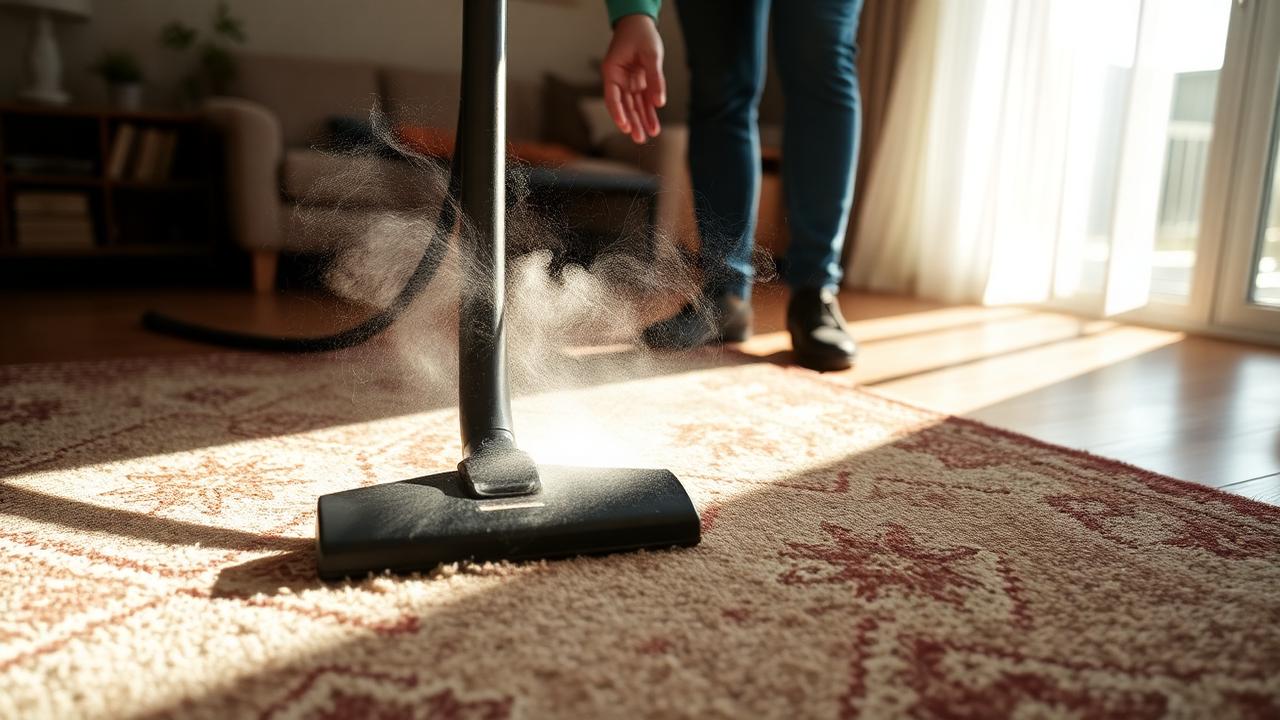
Your allergies get worse after vacuuming because the mechanical agitation of the vacuum’s beater bar dislodges microscopic allergens—such as dust mite feces (Der p 1), pet dander, pollen, and mold spores—and launches them into the air. Vacuums lacking a certified, sealed HEPA filtration system leak these ultra-fine particles (under 2.5 microns) directly through their exhaust ports and unsealed casing seams. Once aerosolized, these allergens remain suspended in indoor air for 2 to 8 hours, causing rapid-onset sneezing, sinus congestion, watery eyes, and airway inflammation when inhaled.
The Primary Reasons Vacuuming Triggers Allergy Attacks
Vacuuming seems like the ultimate solution for removing indoor debris, but standard cleaning routines often redistribute allergens rather than eliminating them. Understanding the mechanics behind this issue helps you prevent symptoms before your next cleaning session.
1. Exhaust Blowback and Unsealed Vacuum Housings
Standard vacuums pull air, dirt, and debris through a floor nozzle, run the air stream through a basic filter, and expel the air back into the room. If a vacuum lacks a completely sealed system, high-velocity exhaust air escapes through micro-cracks in the plastic casing before passing through the final filter. This creates an aerosolized plume of fine particulate matter (PM2.5 and PM10) that spreads throughout the room at head level.
2. High-Speed Beater Bar Agitation
The rotating brush roll (beater bar) in your vacuum head spins between 1,000 and 3,000 RPM. While effective at loosening deeply embedded grit from carpet fibers, this rapid kinetic action pulverizes dried organic debris into sub-micron fragments. The vacuum suction only captures a percentage of these newly fractured particles; the rest are propelled upward into the air currents created by the vacuum’s motor.
3. The Physics of Particle Suspension Times
Heavier dirt particles fall to the floor within seconds. However, dust mite allergen particles (typically 10 to 20 microns) and pet dander flakes (2 to 10 microns) settle very slowly in still indoor air. The air turbulence generated by walking and pushing a vacuum keeps these particles airborne for hours:
- Dust mite feces: Suspended for 30 to 120 minutes in undisturbed air.
- Cat and dog dander: Suspended for 4 to 8 hours due to their lightweight, jagged structure.
- Mold spores: Suspended for 1 to 3 hours depending on indoor air currents.
4. Bagless Dust Bin Emptying
Bagless vacuums rely on cyclonic separation to drop dust into a plastic canister. Emptying this canister into a trash can generates a visible cloud of dust. This direct exposure exposes your mucous membranes to billions of allergen particles at point-blank range, triggering immediate histamine release and sinus irritation.
Standard Vacuum vs. Sealed HEPA Vacuum for Allergies
The type of vacuum you use directly dictates whether cleaning reduces or increases your indoor allergen load. Review the technical differences below:
| Performance Factor | Standard / Non-HEPA Vacuum | Sealed True HEPA Vacuum |
|---|---|---|
| Filtration Efficiency | 80% to 90% of particles down to 5.0 microns | 99.97% of particles down to 0.3 microns |
| Housing Construction | Unsealed plastic with air bypass leaks | Airtight rubber gaskets (Zero bypass) |
| Dust Containment | Standard paper bag or open plastic bin | Self-sealing multi-layer synthetic bag |
| Post-Vacuum Air Quality | Elevated airborne PM2.5 for 2 to 8 hours | Reduced airborne PM2.5 within 15 minutes |
| Allergy Flare-Up Risk | High (immediate nasal and ocular symptoms) | Extremely Low (when operated properly) |
How to Vacuum Without Triggering Allergies: A Step-by-Step Protocol
Follow this clinical-grade cleaning procedure to trap carpet-bound allergens without contaminating your breathing zone.
Step 1: Wear Personal Protective Equipment (PPE)
Put on a well-fitted, NIOSH-approved N95 or FFP2 respirator mask before turning on the vacuum. Standard surgical masks allow fine particulates to enter around the loose edges. Keep the respirator on for at least 30 minutes after you finish vacuuming.
Step 2: Optimize Room Airflow
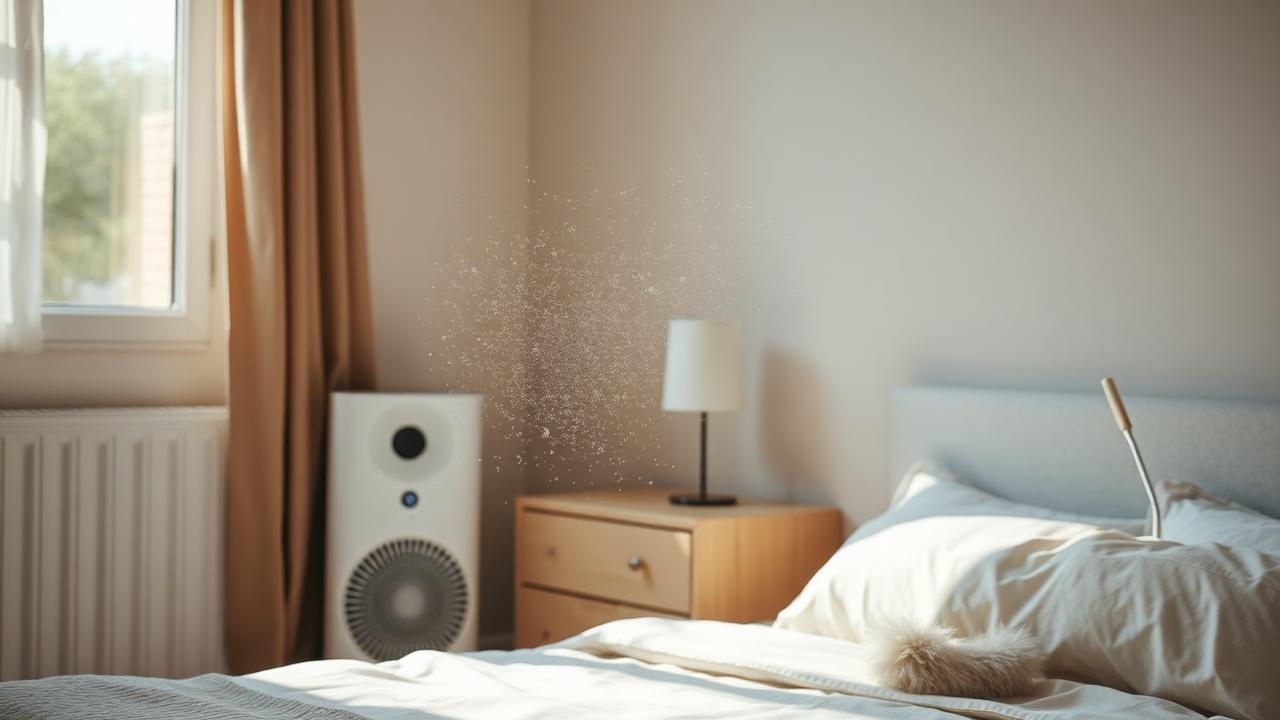
Close interior doors to isolate the room you are cleaning, preventing disturbed particles from drifting into bedrooms. Turn your standalone HEPA air purifier to its maximum fan speed setting. Avoid opening outdoor windows if your allergy is triggered by outdoor pollen or mold.
Step 3: Adjust Technique and Speed
Rushing through vacuuming increases brush-roll turbulence and reduces extraction efficiency:
- Make slow, overlapping passes at a rate of 1 to 2 feet per second.
- Pass forward to align carpet fibers, then pull backward slowly along the same path to maximize suction extraction.
- Perform 4 to 6 strokes over high-traffic areas and 2 to 3 strokes in low-traffic zones.
Step 4: Maintain Vacuum Hardware
Poor hardware maintenance destroys the filtration efficiency of even the best vacuums:
- Bags: Replace bagged vacuum liners when they reach two-thirds (66%) full. Overfilled bags restrict airflow, lower suction power, and risk seam tears.
- Pre-Motor Filters: Rinse foam or mesh pre-motor filters every 30 days using cold tap water (do not use soap unless specified by the manufacturer). Allow them to air-dry completely for 24 hours before reassembly to prevent mold growth.
- HEPA Exhaust Filters: Replace true HEPA exhaust filters every 6 to 12 months, or after 50 operating hours.
Environmental Adjustments to Reduce Carpet Allergen Density
Vacuuming is only one component of allergen remediation. Combine vacuuming with these environmental controls to lower baseline allergen levels in your flooring:
- Maintain Low Relative Humidity: Run a dehumidifier to keep indoor relative humidity strictly between 35% and 45%. Dust mites cannot drink liquid water; they absorb moisture from the air and will desiccate and die when relative humidity drops below 50%.
- Wash Bedding in Hot Water Weekly: Strip pillowcases, sheets, and duvet covers weekly and wash them at a minimum water temperature of 130°F (54.4°C) to eliminate live dust mites and denature Der p 1 proteins.
- Damp-Dust Hard Surfaces Before Vacuuming: Wipe flat surfaces using a damp microfiber cloth lightly misted with plain water or an electrostatic dusting spray. Never dry-dust, which simply flings allergen particles into the air. Always dust high surfaces (shelves, ceiling fans) at least 2 hours before vacuuming carpets.
Frequently Asked Questions
How long do allergens stay in the air after vacuuming?
Allergens remain airborne between 2 and 8 hours after vacuuming with an unsealed or non-HEPA unit. Pet dander, which consists of microscopic, lightweight protein flakes, takes the longest to settle (up to 8 hours), while denser dust mite fecal pellets settle in approximately 2 hours in a room with minimal airflow.
Are bagged or bagless vacuums better for allergy sufferers?
Bagged vacuums with multi-layer, self-sealing synthetic bags are far superior for allergy sufferers. They seal shut automatically when removed from the chamber, preventing dust clouds. Bagless vacuums expose you directly to concentrated plumes of allergens whenever the canister is opened and cleaned.
Should I wear a mask while vacuuming?
Yes. Wearing an N95 or FFP2 respirator prevents over 95% of airborne particles down to 0.3 microns from entering your respiratory tract. Keep the mask on while vacuuming and leave it on for 20 to 30 minutes afterward to allow your HEPA air purifier to scrub remaining suspended particulates.
Does steam cleaning carpets kill dust mites better than vacuuming?
Steam cleaning that reaches temperatures above 130°F (54.4°C) instantly kills live dust mites and neutralizes mold spores. However, the carpet must be thoroughly dried within 24 hours using commercial fans or dehumidifiers. Excess moisture trapped in carpet backing can cause severe mold colonization, ultimately worsening respiratory allergies.
Cleneus is reader-supported. Pages carry display advertising and some outbound product links may earn us a commission, which never changes the methods we recommend. Read our disclosure.