
Why Workout Clothes Still Smell After Washing (And How to Fix It)
Find out why your workout clothes still smell after washing. Learn how to remove trapped sweat odors and bacteria from synthetic activewear for good.
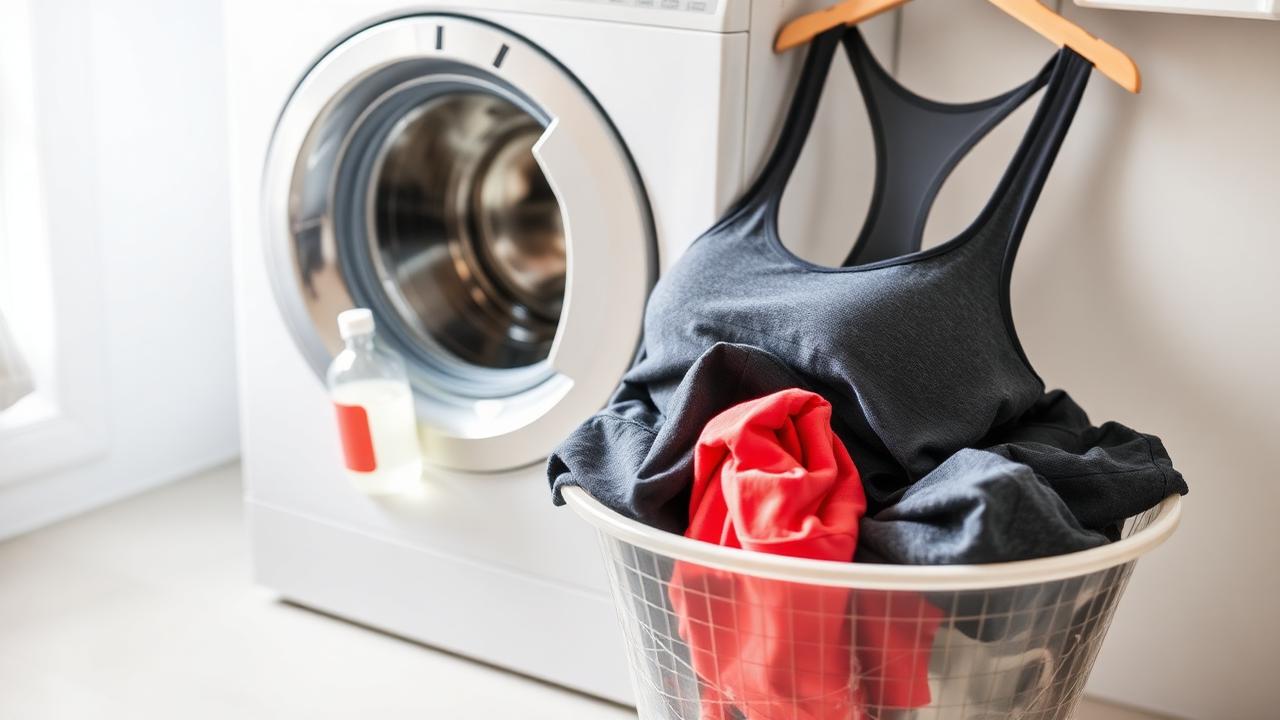
Workout clothes still smell after washing because synthetic performance fabrics like polyester, spandex, and nylon are oleophilic (oil-attracting) and hydrophobic (water-repelling). While these fibers wick sweat away from your skin during exercise, they trap body oils, dead skin cells, and odor-causing bacteria such as Corynebacterium and Micrococcus deep within the microfibers. Standard laundry detergents cannot break down this oily buildup on their own, and conventional fabric softeners coat the fibers, sealing the bacteria and sweat residues inside a waterproof film that reactivates the moment your body warms up.
The Science Behind Persistent Activewear Odor
Understanding why technical fabrics hold onto stench requires a look at textile science and microbiology. Cotton and other natural fibers absorb water readily, allowing standard detergents and water rinse cycles to flush out sweat. Synthetics behave differently:
- Oleophilic Fiber Structure: Synthetic yarns are derived from petroleum. They have a natural chemical affinity for lipids, fats, and sebum (the waxy oil your skin secretes). Instead of washing away, sebum bonds to the plastic-like polymer chains.
- Bacterial Biofilm Formation: Bacteria feed on trapped sebum and sweat components. As bacteria multiply, they produce a protective extracellular polymeric substance (biofilm). This microscopic slime layer protects bacteria from standard wash cycles.
- The "Permastink" Reactivation: You may pull a dry gym shirt from the closet smelling clean, but within five minutes of warming up, a sour, pungent odor appears. Body heat and fresh moisture dissolve the outer layer of old trapped sebum, immediately releasing volatile organic compounds (VOCs) produced by trapped bacteria.
5 Common Washing Mistakes That Lock in Gym Odor
Most laundry habits designed for everyday cotton garments actively worsen synthetic odor buildup.
1. Using Standard Laundry Detergents
Most standard liquid detergents are formulated to remove surface stains and dissolve food-based soils. They lack targeted concentrations of lipase enzymes (which break down body oils) and protease enzymes (which break down protein-based sweat components). Without these enzymes, oil deposits remain embedded in tight microfiber weaves.
2. Adding Fabric Softener or Scent Boosters
Liquid fabric softeners and dryer sheets work by depositing a thin layer of silicone or fatty compounds onto fabric surfaces to make them feel soft. On synthetic activewear, this coating clogs the breathable weave, locks trapped bacteria beneath an impermeable barrier, and ruins moisture-wicking capabilities. Scent booster beads simply mask the odor with heavy synthetic fragrances without killing the underlying bacteria.
3. Using Too Much Detergent
Adding extra soap does not yield cleaner workout gear. High-efficiency (HE) washing machines use minimal water. Excess detergent creates a thick suds layer that fails to rinse away completely. This leftover soap residue becomes a food source for bacteria and traps dirt against the fabric.
4. Leaving Damp Clothes in the Hamper
Shoving damp, sweat-soaked gym clothes into a dark gym bag or unventilated hamper creates an ideal breeding ground for mildew and anaerobic bacteria. Bacterial populations can double every 20 minutes under warm, moist conditions.
5. Washing in Scalding Hot Water
While high heat kills bacteria, water temperatures above 40°C (104°F) degrade the elastane and spandex fibers responsible for stretch and compression. Heat can also coagulate protein soils, effectively baking sweat stains and odors directly into synthetic yarns.
Step-by-Step Guide to Deep-Cleaning Smelly Workout Gear
Use this four-step process to dissolve trapped sebum, break down bacterial biofilms, and restore your activewear.
Step 1: The Acidic Pre-Soak (Dissolves Biofilm)
- Fill a sink, bucket, or tub with 1 gallon (3.8 liters) of cool to lukewarm water.
- Add 1 cup (240 ml) of distilled white vinegar (5% acidity). Vinegar lowers the pH, cutting through alkaline detergent buildup and breaking down mineral and sweat salts.
- Submerge your smelly workout clothes completely and soak for 30 to 45 minutes. Do not soak for more than two hours, as prolonged acid exposure can weaken delicate elastic stitching over time.
Step 2: Load and Prepare the Washer
- Turn every garment inside out. The inside of the garment contains 90% of the trapped sebum, sweat, and dead skin cells from direct contact with your body.
- Keep load sizes small to medium. Activewear needs adequate space to agitate against other garments to mechanically force water through dense weaves.
Step 3: Wash with Targeted Products and Temperatures
- Detergent: Use 2 tablespoons (30 ml) of a dedicated sports detergent formulated with lipase enzymes, or a heavy-duty enzyme detergent.
- Booster: Add 1/2 cup (120 g) of baking soda or sodium percarbonate directly into the drum to boost odor neutralization.
- Water Temperature: Set to cold or warm (30°C / 86°F to 40°C / 104°F maximum).
- Cycle: Select the "Activewear," "Delicates," or "Normal" cycle with an extra rinse option enabled.
Step 4: Dry Correctly
- Hang garments to dry outdoors in indirect sunlight or in a well-ventilated indoor space. UV light provides natural antibacterial benefits.
- If using a machine dryer, select the lowest heat or "Air Fluff" setting. High heat degrades synthetic elasticity and locks in any residual odors.
Deep-Cleaning Methods Compared
| Method | Target Issue | Ingredients & Ratio | Soak Time | Effectiveness on Biofilm |
|---|---|---|---|---|
| White Vinegar Soak | Detergent buildup, mineral salts, mild bacteria | 1 cup (240 ml) vinegar per 1 gallon cool water | 30–45 mins | Moderate |
| Enzyme Sports Detergent | Sebum, body oils, trapped sweat proteins | 2 tbsp directly in wash dispenser | N/A (Standard wash) | High |
| Oxygen Bleach / Sodium Percarbonate | Deep bacteria, stubborn sweat stains | 2 tbsp powder per gallon warm water (dissolved first) | 60 mins | Very High |
| Baking Soda Pre-Rinse | Acidic body odors, surface stink | 1/2 cup (120 g) added to drum wash cycle | N/A | Moderate |
How to Prevent Workout Odors from Returning
- Air Out Post-Workout: If you cannot wash gear immediately, hang damp clothes over a drying rack or the side of the hamper. Never leave wet gear compressed in a gym bag.
- Skip Fabric Softener Entirely: Use 1/2 cup of distilled white vinegar in the fabric softener compartment during the rinse cycle instead. It neutralizes soap residue without coating fibers.
- Wash After Every Wear: Avoid rewearing synthetic gym clothes without washing. Dried sweat creates concentrated salt and sebum crusts that are harder to remove later.
- Clean Your Washing Machine Monthly: Biofilm builds up on machine drums and rubber gaskets. Run an empty maintenance cycle once a month with 2 cups of white vinegar or a washing machine cleaner tablet at 90°C (194°F).
Frequently Asked Questions
Why do my clothes smell clean when dry, but stink as soon as I put them on?
This is caused by trapped bacterial biofilms and body oils that standard detergents failed to rinse out. As your body temperature warms the fabric and introduces fresh moisture, it breaks the surface tension of dried oils, releasing the dormant volatile compounds produced by the embedded bacteria.
Will vinegar ruin the elasticity in spandex or elastane?
No, occasional 30-minute soaks in diluted distilled white vinegar (1 cup per gallon of water) will not damage spandex, lycra, or elastane. Avoid soaking gear in undiluted vinegar or leaving items submerged for more than 4 hours, as long-term acid exposure can gradually weaken elastic threads.
Can I use bleach to kill the bacteria in workout clothes?
No. Chlorine bleach degrades synthetic fabrics like polyester and nylon, breaks down spandex elasticity, and can cause yellow chemical discoloration on technical gear. Use oxygen-based bleach (sodium percarbonate) instead for color-safe, fiber-safe disinfection.
Does freezing workout clothes kill odor-causing bacteria?
Freezing does not kill bacteria in fabric. Cold temperatures merely force bacteria into a dormant state. Once the garment returns to room temperature and contacts body heat, the bacteria resume activity and the odor returns immediately.
Cleneus is reader-supported. Pages carry display advertising and some outbound product links may earn us a commission, which never changes the methods we recommend. Read our disclosure.