
ADHD-Friendly House Cleaning Schedule: A Low-Friction Cleaning Routine
Master an ADHD-friendly house cleaning schedule. Use low-friction micro-sprints, visual systems, and zone cleaning to keep your home tidy without burnout.
An ADHD-friendly house cleaning schedule replaces rigid, multi-hour chore marathons with flexible, dopamine-supportive systems built around 10- to 15-minute micro-sprints. Traditional schedules often fail neurodivergent brains due to executive dysfunction, working memory challenges, and task initiation friction. By utilizing visual timers, single-surface cleaning kits, designated zones, and strategic decluttering baskets, this schedule maintains a sanitary, functional living space without triggering shame spirals or cognitive burnout.
Why Traditional Cleaning Schedules Fail with ADHD
Standard housekeeping checklists assume consistent task initiation, linear progression, and intrinsic reward from completing mundane tasks. For individuals with Attention-Deficit/Hyperactivity Disorder (ADHD), low dopamine baseline levels and impaired executive function turn chores into high-friction hurdles. Key neurodivergent barriers include:
- Executive Dysfunction: Difficulty breaking down large tasks (like "clean the kitchen") into actionable, sequential steps.
- Object Permanence & Working Memory: The "out of sight, out of mind" phenomenon causes items stored behind closed cabinet doors to be forgotten, while visible clutter accumulates unchecked.
- All-or-Nothing Perfectionism: Believing that if there is not enough time or energy to scrub the entire bathroom, wiping down the sink counter is not worth doing.
- Time Blindness: Underestimating or overestimating how long a chore takes, leading to procrastination because cleaning feels like an endless endeavor.
The Core Rules of ADHD-Friendly Cleaning
Before implementing a schedule, alter the environment and workflow to lower the physical and mental barriers to task initiation.
1. Use Visual Timers and the 15/5 Method
Never clean with an open-ended timeframe. Use an analog visual countdown timer (such as a Time Timer) set to 15 minutes. Work with high energy on a single targeted area until the red disk disappears, then take a mandatory 5-minute break. A fixed visual finish line reduces task initiation resistance.
2. Deploy Point-of-Performance Cleaning Caddies
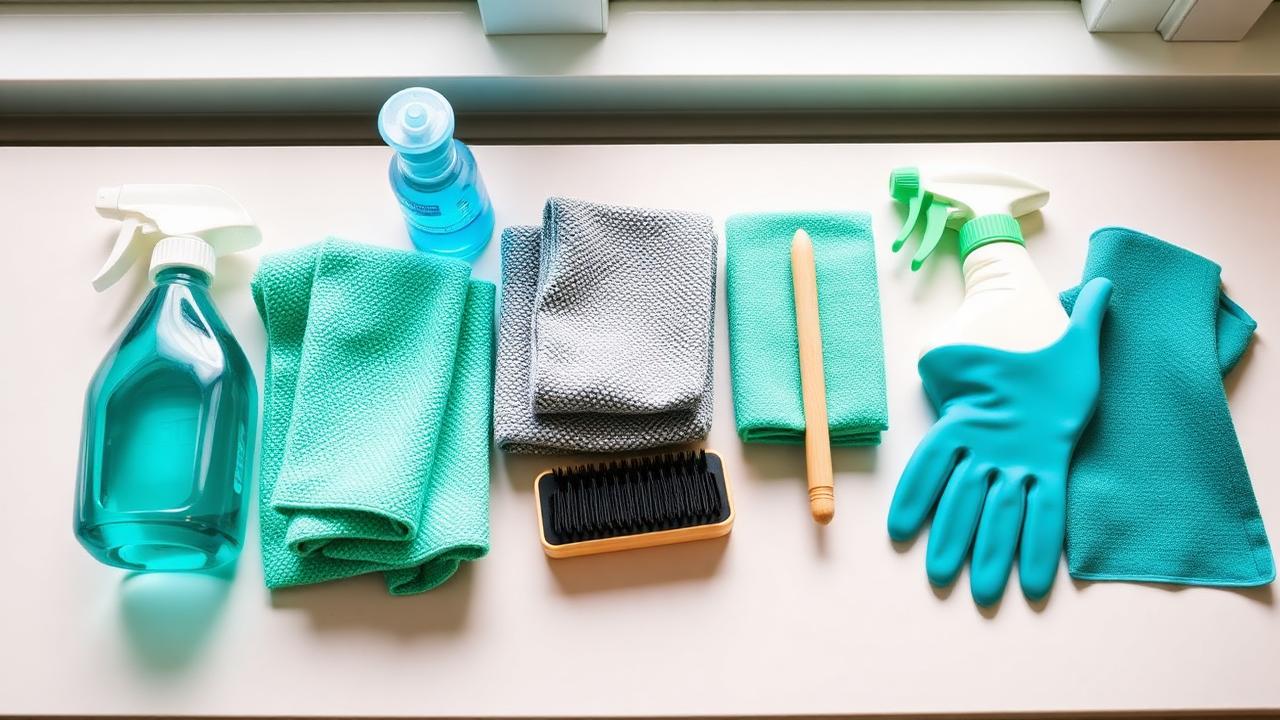
Friction kills momentum. If you must walk to the laundry room to fetch glass cleaner, you will likely abandon the task. Place a compact cleaning kit directly in each wet zone (kitchen and every bathroom):
- One 16 oz spray bottle filled with a gentle, multi-surface cleaner (1 tsp mild plant-based dish soap diluted in 16 oz warm water, or a pH-neutral commercial cleaner).
- Three dedicated microfiber cloths (300 GSM split microfiber).
- A single dual-action sponge or scrub brush.
3. The "Doom Box" Containment Strategy
Instead of sorting misplaced items across rooms one by one—which invites distraction—place an open laundry basket in the center of the room. Toss every misplaced item into the basket to clear flat surfaces rapidly. Schedule a separate sprint to sort the basket, or store it neatly out of the visual field.
The ADHD-Friendly Cleaning Schedule
This schedule divides maintenance into manageable daily micro-habits, weekly low-effort focus zones, and monthly hygiene resets. If you miss a day, simply pick up on the current day without backlog guilt.
Daily Micro-Habits (15 Minutes Total)
Do not attempt whole-house maintenance daily. Focus exclusively on functional health and hygiene resets:
- Morning Launch (5 Minutes): Unload the dishwasher or dish rack. Having an empty receptacle ready prevents dirty dishes from piling up in the sink throughout the day.
- Trash Runway (2 Minutes): Empty the primary kitchen trash bin if full and tie off bathroom bins.
- Evening Flat-Surface Sweep (8 Minutes): Set a timer. Clear dirty dishes from living areas, place them in the dishwasher, and wipe down the primary kitchen prep counter with warm water and multi-surface cleaner.
Weekly Zone-a-Day Rotation (15–20 Minutes per Day)
Assign one high-impact zone to each weekday. Weekends are reserved for rest or open-ended projects.
Monday: Kitchen Function Reset
- Wipe down the induction or gas stovetop using a degreasing spray and a non-scratch microfiber cloth.
- Discard expired food items from the refrigerator front shelves.
- Scrub the kitchen sink basin with 2 tablespoons of baking soda and a splash of dish soap, then rinse with hot tap water (120°F/49°C).
Tuesday: Bathroom Rapid Sanitization
- Spray the sink vanity and faucet with an antibacterial multi-surface spray; wipe clean.
- Apply 2 ounces of liquid toilet bowl cleaner under the rim; let sit 5 minutes, scrub with the bowl brush, and flush.
- Wipe the toilet seat, lid, and exterior base using disposable plant-based disinfectant wipes or dedicated bathroom microfiber cloths.
Wednesday: High-Traffic Floor Clearing & Vacuuming
- Pick up floor items and place them into your designated sorting basket.
- Vacuum the primary living room rug and main hallway using a lightweight, cordless stick vacuum.
- Spot-mop sticky kitchen spills using a pre-filled microfiber spray mop.
Thursday: Bedding & Laundry Sprint
- Strip the bed sheets and pillowcases; wash at 140°F (60°C) to eliminate dust mites and body oils.
- Run one load of essential clothing. ADHD Rule: A load of laundry is not finished until it is put away. Use open bins or hanging racks rather than folding complex dresser configurations.
- Remake the bed immediately with a backup set of fresh sheets.
Friday: Clutter Corral & Trash Sweep
- Walk through the home with a single 13-gallon trash bag and discard visible wrappers, dry waste, and junk mail.
- Take all collected trash and recycling bins to the outdoor pickup bins.
- Place sorting baskets in a dedicated closet or corner to enter the weekend with clean visual fields.
Saturday & Sunday: Rest Days (Zero Chore Guilt)
No mandatory cleaning tasks are scheduled on weekends. If spontaneous hyperfocus occurs, use it for deep-cleaning projects, but do not make it an obligation.
Traditional vs. ADHD-Friendly Cleaning Systems
| Feature | Traditional Cleaning Schedule | ADHD-Friendly Schedule | Why the ADHD Method Works |
|---|---|---|---|
| Time Allocation | 3–4 hour weekend deep cleans | 10–15 minute daily micro-sprints | Eliminates stamina depletion and task avoidance. |
| Structure | Rigid checklists with backlogs | Flexible, single-zone assignments | Removes failure guilt; missed days are ignored. |
| Supply Storage | Centralized cleaning closet | Duplicate caddies in each room | Removes transition friction and distraction triggers. |
| Organization | Categorized drawers and closed bins | Open baskets, clear bins, and hooks | Accommodates visual object-permanence needs. |
| Task Scope | Multi-step deep cleaning | High-impact surface resets | Delivers rapid visual dopamine rewards. |
Dopamine Hacks to Pair with Cleaning
Stimulate task initiation by pairing cleaning routines with extrinsic sensory inputs:
- Body Doubling: Clean while on a phone call with a friend, via video-based co-working platforms (e.g., Focusmate), or alongside a partner doing a quiet task.
- Temptation Bundling: Reserve a specific, gripping audiobook, podcast, or high-BPM playlist exclusively for your 15-minute cleaning sprints.
- Sensory Protection: Wear nitrile or rubber cleaning gloves to avoid unpleasant textures, and use over-ear noise-canceling headphones to block jarring background noise.
- Gamification: Roll a 6-sided die to decide which room zone gets a 10-minute focus session, removing decision paralysis entirely.
Frequently Asked Questions
How do you clean an entire messy house with ADHD?
Do not attempt to clean the whole house at once. Choose one visible flat surface (such as a coffee table or kitchen island). Use the "trash first" rule: throw away obvious garbage, put dirty dishes in the sink, and sweep all remaining clutter into a single sorting basket. Cleaning one discrete surface provides immediate visual dopamine and prevents overwhelm.
What is the basket method for ADHD cleaning?
The basket method uses laundry hampers or open bins placed in high-clutter areas. When cleaning a room, toss everything that does not belong in that specific room into the basket without leaving the space. This prevents distraction caused by wandering from room to room to put individual items away.
How do I stay focused while cleaning if I lose track of tasks?
Wear supportive running shoes and cleaning gloves to create a physical "working mode" cue. Use an analog visual timer set to no more than 15 minutes, keep your smartphone in another room, and listen to high-tempo music (120–140 BPM) or an audiobook to keep your brain stimulated while performing manual tasks.
Cleneus is reader-supported. Pages carry display advertising and some outbound product links may earn us a commission, which never changes the methods we recommend. Read our disclosure.