How to Choose the Best Air Purifier for Dust Allergies
Discover how to choose the best air purifier for dust allergies. Learn about True HEPA filters, CADR ratings, and ideal placement for symptom relief.
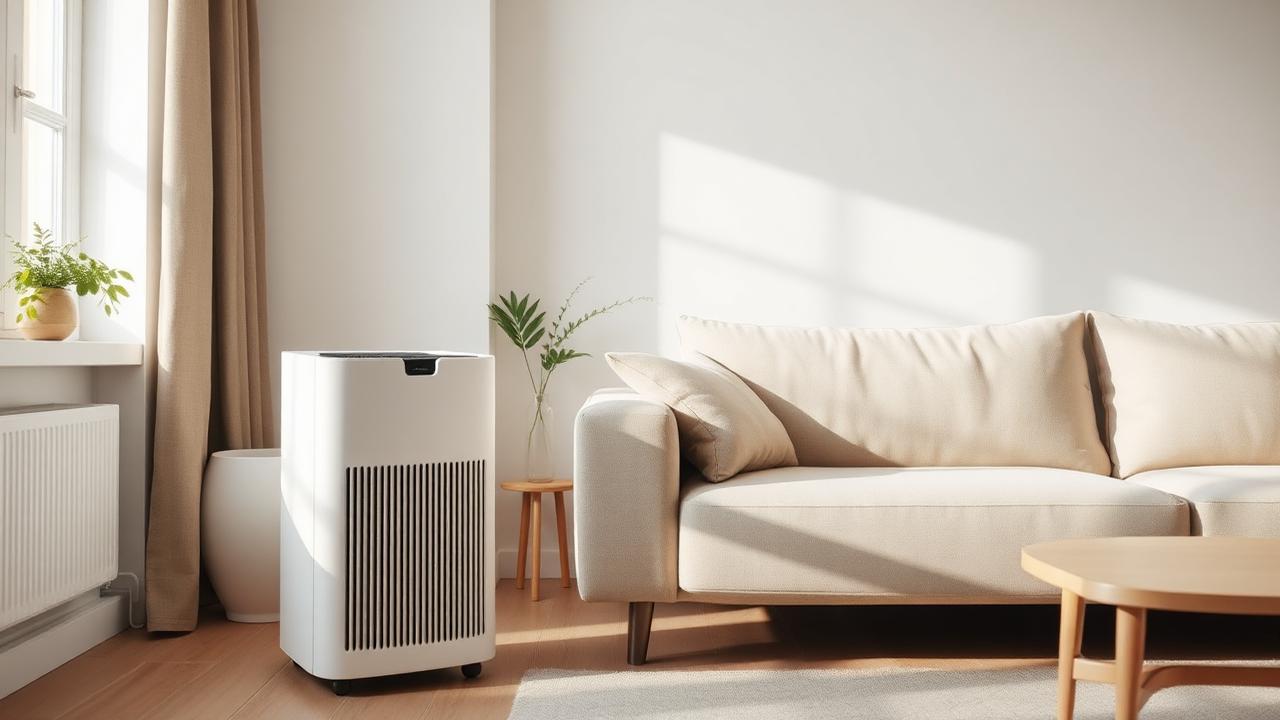
Using an air purifier for dust allergies is one of the most effective, non-medical ways to reduce indoor flare-ups, sneezing, and nighttime congestion. The best air purifier for dust allergies is a unit equipped with an authentic True HEPA (High-Efficiency Particulate Air) filter, appropriately sized for your room's square footage, and capable of cycling the air at least four to five times per hour. True HEPA filtration captures 99.97% of airborne particles as small as 0.3 microns, which includes household dust, dust mite droppings, pet dander, and pollen.
How Air Purifiers Work for Dust Allergies
Household dust is a complex mixture of dead skin cells, clothing fibers, soil particles, microscopic plastic fragments, and dust mite debris. When dealing with dust allergies, the primary culprit is often dust mites—specifically their waste products and decomposing bodies. These microscopic protein particles easily become airborne whenever someone walks across a carpet, sits on a couch, or makes a bed.
An air purifier continuously draws ambient air through a series of internal filters using an integrated fan. The physical filters trap particulate matter before circulating clean, filtered air back into the room. By continuously filtering these particles while they are suspended in the air, the purifier prevents them from settling onto surfaces or being inhaled into your respiratory tract.
Essential Features to Look For in a Dust Allergy Air Purifier
Not all air cleaning systems are built the same. When evaluating an air purifier for dust allergies, prioritize the following critical specifications:
- True HEPA Filter (H13 or H14 Grade): Avoid vague marketing terms like "HEPA-type" or "HEPA-like," which do not meet strict efficiency standards. True HEPA filters capture microscopic dust particles down to 0.3 microns with verified 99.97% efficiency.
- Washable or Replaceable Pre-Filter: A dedicated pre-filter traps larger particles such as hair, pet fur, and large dust clumps. This prevents the primary HEPA filter from clogging prematurely and extends its lifespan.
- High Clean Air Delivery Rate (CADR): Look specifically at the CADR rating for dust and smoke. The higher the number, the faster the unit filters the air in a given space. As a general rule, choose a CADR rating that is at least two-thirds of your room's total square footage.
- Air Changes per Hour (ACH): For allergy relief, aim for an ACH rating of 4x to 5x. This means the purifier completely cycles and cleans the room's total air volume every 12 to 15 minutes.
- Activated Carbon Filter: While carbon does not capture dust particles, it adsorbs household odors, cooking smells, and volatile organic compounds (VOCs) that can further irritate sensitive airways.
Features to Avoid for Dust Allergies
Certain air cleaner designs can actually worsen allergy symptoms or fail to capture fine dust effectively:
- Ozone Generators: Ozone is a lung irritant that can trigger asthma attacks and aggravate respiratory tissues. Never use an intentional ozone generator in an occupied home.
- Ionizers Without HEPA Filters: Ionizers give dust particles an electrical charge so they stick to walls, floors, or collection plates. However, many emit trace amounts of ozone and leave dust settled on surfaces rather than removing it from the environment.
- Undersized Units: An air purifier rated for 150 square feet will struggle to control dust in a 300-square-foot bedroom, allowing allergen levels to remain elevated.
Optimal Placement for Your Air Purifier
Where you position your air purifier significantly impacts its ability to trap dust and alleviate symptoms. Follow these placement guidelines:
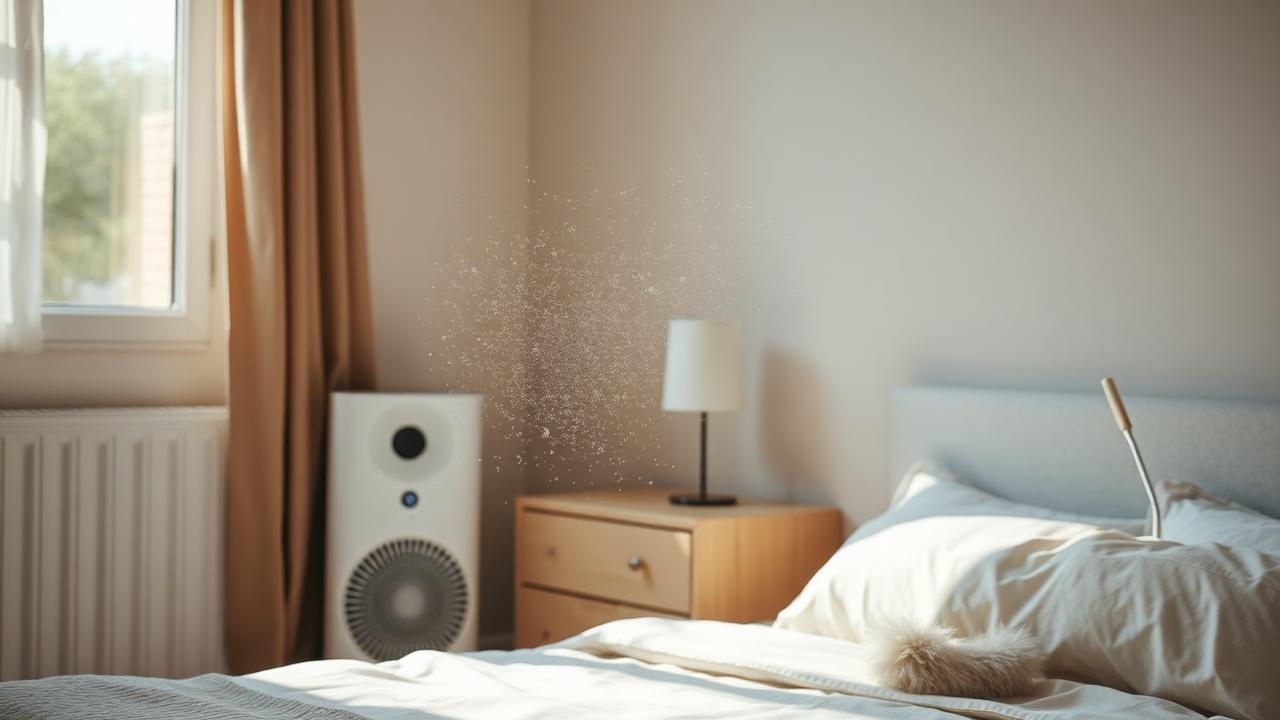
- Prioritize the Bedroom: Most people spend a third of their day in the bedroom, where dust mite concentrations tend to be highest due to mattresses, pillows, and bedding. Place the purifier 3 to 5 feet away from your headboard for direct clean-air delivery while sleeping.
- Keep Air Inlets and Outlets Clear: Maintain at least 1 to 2 feet of open space around all sides of the purifier. Avoid tucking the unit into tight corners, behind heavy drapes, or underneath desks where airflow is restricted.
- Elevate Off the Floor (If Applicable): Smaller desktop or tabletop purifiers function best when placed on a nightstand or dresser rather than directly on thick carpeting, where they can pull in settled carpet fibers instead of circulating room air.
- Keep Doors and Windows Closed: Running an air purifier with open windows allows outdoor dust, soot, and pollen to overwhelm the filtration system continuously.
Maintaining Your Air Purifier for Peak Dust Reduction
A neglected air purifier can become a source of dust rather than a solution. Establish a consistent maintenance routine to maintain high airflow and allergen capture:
- Clean the Pre-Filter Monthly: Vacuum or rinse (if washable) the outer pre-filter every 2 to 4 weeks to remove accumulated dust blankets and maintain optimal fan efficiency.
- Replace HEPA Filters on Schedule: Most True HEPA filters require replacement every 6 to 12 months, depending on usage and household dust levels. If the filter turns dark gray or airflow noticeably drops, replace it immediately.
- Wipe Down the Exterior and Air Quality Sensors: Dust can accumulate on the exterior intake grilles and onboard optical sensors. Gently wipe them with a dry microfiber cloth every few weeks so the unit accurately detects indoor particulate levels.
Complementary Habits to Eliminate Dust Allergens
While an air purifier for dust allergies addresses airborne particulates, heavy dust particles settle quickly onto surfaces before reaching the filter. Combine your air purifier with these targeted cleaning habits for comprehensive allergy management:
- Encase Bedding in Allergen-Proof Covers: Seal mattresses, box springs, and pillows in zippered, dust-mite-proof encasements.
- Wash Linens in Hot Water: Wash sheets, pillowcases, and blankets weekly in water heated to at least 130°F (54°C) to kill dust mites and dissolve allergen proteins.
- Vacuum with a HEPA Vacuum Cleaner: Use a sealed vacuum equipped with a HEPA exhaust filter twice a week on carpets, rugs, and upholstered furniture so dust is not blown back into the air.
- Maintain Indoor Humidity Below 50%: Dust mites thrive in warm, humid conditions. Use a dehumidifier or air conditioner to keep relative humidity between 30% and 50%, which halts dust mite reproduction.
- Damp-Dust Hard Surfaces: Always use a damp microfiber cloth or electrostatic duster. Dry dusting with feather dusters or dry rags merely redistributes allergens back into the air.
Breathing Easier at Home
Investing in a properly sized, True HEPA air purifier is a proven way to reduce airborne dust and keep allergy symptoms at bay. By pairing your purifier with weekly hot-water washing, damp dusting, and humidity control, you can create a clean, allergen-free indoor environment that lets you breathe comfortably day and night.
Cleneus is reader-supported. Pages carry display advertising and some outbound product links may earn us a commission, which never changes the methods we recommend. Read our disclosure.