
The Best Way to Clean Glass Shower Doors for a Streak-Free Shine
Discover the best way to clean glass shower doors easily. Remove stubborn hard water stains, soap scum, and buildup for a sparkling, streak-free bathroom.
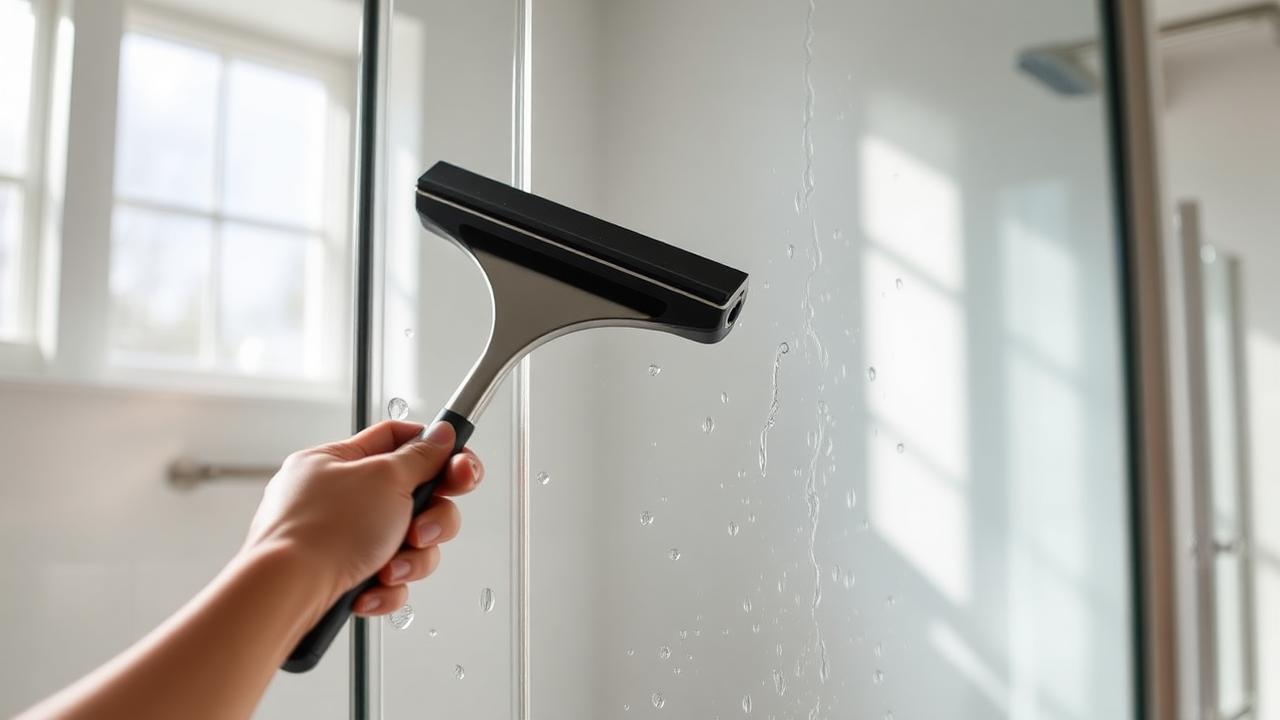
The best way to clean glass shower doors is by using a heated solution of equal parts distilled white vinegar and grease-fighting liquid dish soap. Spray the mixture generously over the glass, allow it to sit for 15 to 30 minutes to dissolve mineral bonds and soap scum, gently scrub with a non-abrasive sponge, rinse thoroughly with warm water, and immediately finish with a rubber squeegee to prevent streaks.
Why Glass Shower Doors Get Cloudy and Stained
Glass shower doors turn cloudy because of two main culprits: soap scum and hard water deposits. Soap scum forms when fatty acids in traditional bar soaps react with minerals dissolved in municipal or well water. This combination creates a stubborn, chalky film that sticks to smooth glass surfaces.
Hard water contains elevated concentrations of dissolved calcium, magnesium, and silica. Every time water evaporates off your shower door, these microscopic minerals remain behind. Over time, recurring evaporation creates stratified layers of scale. If left untreated, these minerals can chemically etch the silica structure of the glass, causing permanent surface damage that standard cleaning solutions cannot reverse.
The Best DIY Method: Vinegar and Dish Soap Spray
You do not need harsh chemical fumes to achieve spotless glass. The classic combination of white vinegar and liquid dish soap creates an unbeatable cleaning agent that cuts through mineral scale and body oils simultaneously.
Here is what you will need for this method:
- One cup of distilled white vinegar
- One cup of concentrated liquid dish soap (such as Dawn)
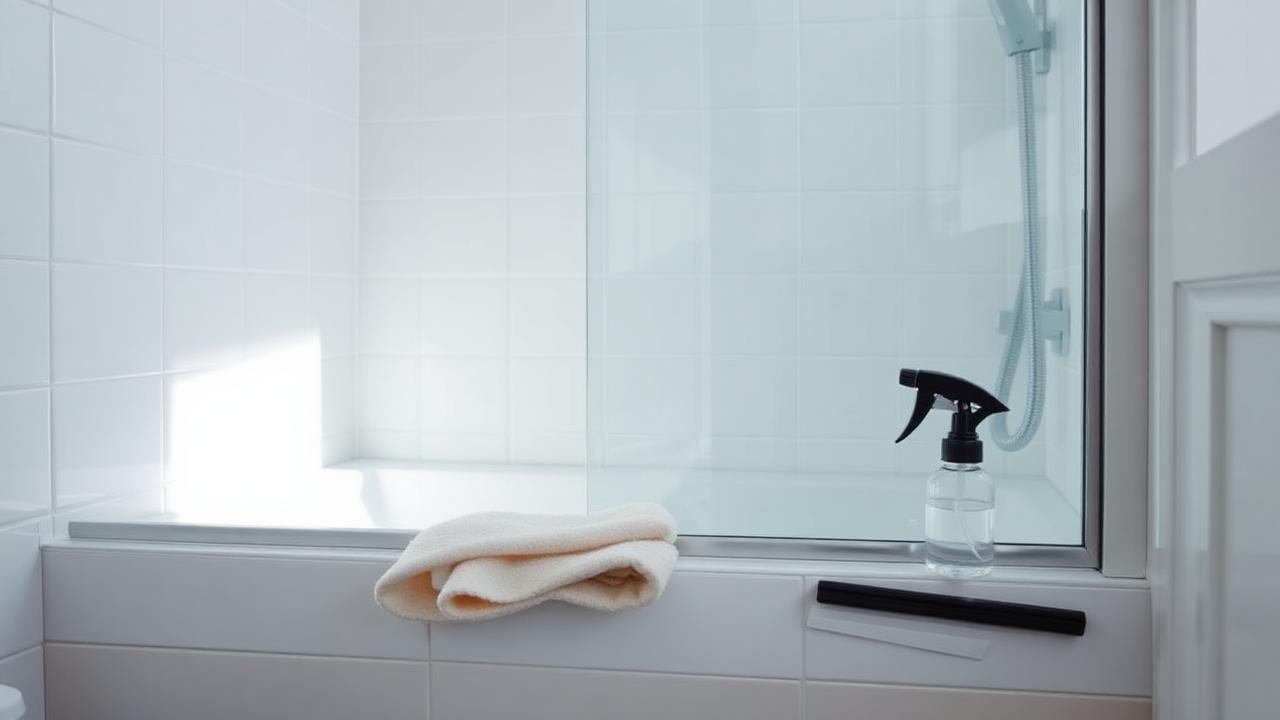
- A clean, heavy-duty spray bottle
- A non-scratch microfiber sponge or cloth
- A rubber-bladed squeegee
- A dry microfiber towel
To make the cleaner, heat the white vinegar in a microwave-safe container until it is warm to the touch, which boosts its acidic reactivity. Pour the warm vinegar into your spray bottle, add the liquid dish soap, and swirl the bottle gently to combine without generating excessive foam.
Spray the entire interior glass surface thoroughly from top to bottom. Allow the solution to dwell on the glass for at least 15 minutes. For heavy buildup, you can let it sit for up to an hour. The dish soap clings to vertical surfaces, keeping the acidic vinegar in direct contact with the hard water deposits.
After the dwelling time, gently scrub the glass using your microfiber sponge in small circular motions. Rinse the glass completely using warm water from a removable showerhead or a pitcher. Finally, run a squeegee from top to bottom, wiping the rubber blade dry with a microfiber towel between each downward stroke.
Removing Severe Hard Water Stains with Baking Soda Paste
If your shower doors have not been deep-cleaned in months or years, liquid solutions alone may not break through calcified buildup. In this case, baking soda provides the necessary mild abrasive action without scratching tempered glass.
To tackle severe mineral deposits, follow these steps:
- Mix one-half cup of baking soda with enough water or liquid dish soap to form a thick, spreadable paste with the consistency of frosting.
- Apply the paste directly to cloudy areas, heavy water lines, and corners using a damp microfiber cloth.
- Allow the paste to sit on the problem spots for 10 to 15 minutes.
- Spray a small amount of distilled white vinegar over the baking soda paste to create a foaming effervescent reaction that lifts loosened minerals.
- Gently scrub the surface with a non-abrasive scrubber, working across the grain of the mineral lines.
- Rinse away all residue with copious amounts of warm water and dry immediately with a squeegee and microfiber cloth.
Alternative Cleaners for Bathrooms with Natural Stone
If your shower features natural stone surfaces such as marble, travertine, slate, or limestone, you must never use vinegar or any other acidic cleaner. Acids cause irreversible chemical etching on calcite-based stone tile and grout.
For stone-safe glass cleaning, choose one of these alternatives:
- Diluted Hydrogen Peroxide: A 3 percent hydrogen peroxide solution mixed with liquid dish soap safely brightens glass, eliminates mold spores in tracks, and will not damage acid-sensitive stone.
- Rubbing Alcohol Solution: Mix equal parts 70 percent isopropyl alcohol, distilled water, and a few drops of dish soap for an evaporative, stone-safe glass cleaner that dries streak-free.
- pH-Neutral Commercial Glass Cleaners: Specially formulated stone-safe bathroom cleaners designed specifically to cut grease without acidic ingredients.
Daily Habits to Keep Glass Shower Doors Spotless
Deep cleaning glass shower doors can be labor-intensive, but simple daily maintenance prevents soap scum and hard water minerals from solidifying in the first place.
Adopt these preventive habits to dramatically reduce cleaning frequency:
- Keep a squeegee in the shower and instruct every household member to squeegee the glass downward after their final rinse.
- Leave the shower door slightly ajar and run the bathroom ventilation fan for 20 minutes after bathing to reduce ambient humidity and speed up air drying.
- Switch from tallow-based bar soaps to liquid body washes, which produce significantly less insoluble residue.
- Apply a hydrophobic glass sealant or automotive rain repellent to clean, dry doors once every three to six months to force water to bead and roll off without depositing minerals.
Tools and Cleaners to Avoid on Glass Shower Doors
Using the wrong tools or harsh materials can permanently ruin your glass doors and surrounding hardware. Protect your investment by avoiding the following items:
- Steel wool, green scouring pads, and abrasive pumice stones, which can leave microscopic scratches that permanently haze tempered glass.
- Hydrofluoric acid or harsh industrial rust removers that chemically degrade glass surfaces.
- Bleach-based sprays for mineral deposits, because bleach disinfects biological growth like mildew but has zero effect on dissolving mineral scale.
- Acidic cleaners on brass, chrome, or oil-rubbed bronze hinges and handles, which can strip protective electroplated finishes.
Conclusion
Finding the best way to clean glass shower doors does not require expensive commercial products or harsh fumes. A simple, warm mixture of white vinegar and dish soap effectively breaks down mineral bonds, dissolves soap oils, and restores crystal-clear clarity. By pairing routine deep cleanings with daily squeegee maintenance and a hydrophobic treatment, you can keep your bathroom glass sparkling and free of hard water spots year-round.
Cleneus is reader-supported. Pages carry display advertising and some outbound product links may earn us a commission, which never changes the methods we recommend. Read our disclosure.