
How to Get Melted Candle Wax Out of Carpet with an Iron
Learn how to safely remove melted candle wax from carpet using an iron and paper bag. Step-by-step heat transfer method for all carpet types.
To get melted candle wax out of carpet with an iron, allow the wax to harden completely, scrape off brittle top layers with a dull butter knife, place a plain brown paper bag or clean white cotton towel over the spill, and press a dry iron set to low-to-medium heat (between 250°F and 300°F) over the barrier for 15 to 20 seconds. The heat liquefies the embedded wax, allowing the porous paper or fabric to absorb it directly out of the carpet fibers without burning your floor.
Tools and Materials Required
Before applying heat to your carpet, gather these specific household tools and supplies:
- Clothes iron: Standard dry iron with variable temperature control (steam feature turned completely OFF).
- Transfer medium: Plain brown paper grocery bags (no print or logos), unbleached butcher paper, or 100% white cotton bar mop towels.
- Ice pack or zip-top bag of ice: To freeze and harden fresh, warm wax spills.
- Dull scraping tool: Metal butter knife, plastic putty knife, or spoon edge.
- Solvent for dye/oil residue: 70% isopropyl rubbing alcohol or an oxygen-based carpet cleaner.
- Clean microfiber cloths: 2 to 3 lint-free cloths for post-wax spot treatment.
- Vacuum cleaner: Standard upright or canister vacuum with a brush roll or suction wand.
Step-by-Step Guide to Removing Wax with an Iron
Step 1: Harden and Scrape Surface Wax
Never apply heat to liquid wax; doing so drives hot wax deeper into carpet backing and padding. If the wax is fresh, place an ice pack or a sealed bag filled with ice cubes directly onto the wax spill for 10 to 15 minutes until it becomes rock-hard and brittle.
Take a dull butter knife or edge of a spoon and gently chip away the top layers of hardened wax. Vacuum up the loose chunks immediately so they are not crushed deeper into surrounding fibers. Removing 50% to 70% of the wax bulk mechanically reduces the amount of heat and absorption needed later.
Step 2: Position Your Heat-Transfer Barrier
Cut open a brown paper grocery bag to lay flat, ensuring the unprinted side faces down against the carpet. Alternatively, fold a clean, 100% white cotton towel in half and lay it flat over the stain. Avoid using colored towels, newspaper, or printed paper bags, as iron heat will permanently transfer dye and printer inks into carpet fibers.
Step 3: Configure Iron Temperature Settings
Carpet fiber composition dictates your iron's safe operating temperature:
- Synthetic Fibers (Nylon, Polyester, Triexta): Set the iron to "Low" or "Synthetic/Silk" (approximately 230°F to 275°F).
- Natural Fibers (Wool, Cotton): Set the iron to "Medium" or "Wool" (approximately 300°F).
- Olefin / Polypropylene: Use extreme caution. Olefin melts at a low 330°F. Keep your iron strictly on the lowest dry setting (under 230°F) and check the carpet fiber frequently.
- Steam setting: Turn steam completely off and empty water from the iron reservoir. Moisture creates scalding water pockets that prevent wax from sticking to paper.
Step 4: Apply Heat and Absorb the Wax
Place the preheated iron flat onto the paper bag or cotton towel directly over the wax spot. Keep the iron moving in slow, circular motions across the target area for 15 to 20 seconds. Do not let the hot metal surface rest in one spot, as concentrated heat can scorch or melt carpet pile.
Lift the iron and examine the paper. You will see a translucent, oily circle where liquefied wax has wicked into the paper. Shift the paper bag to expose a clean, dry section over the remaining wax spot, and apply the iron again for 15 seconds. Repeat this process 4 to 8 times, always rotating to fresh paper, until no new wax appears on the barrier.
Step 5: Treat Residual Wax Dye and Greasy Rings
Candles often leave secondary stains from chemical dyes and fragrance oils. Once all solid wax is absorbed:
- Pour 1 to 2 tablespoons of 70% isopropyl alcohol directly onto a clean white microfiber cloth.
- Blot firmly against the stained carpet pile. Rubbing alcohol breaks down candle paraffin oils and synthetic dyes without dissolving latex carpet adhesives.
- Continue blotting from the outside edge of the stain inward toward the center to avoid spreading the color.
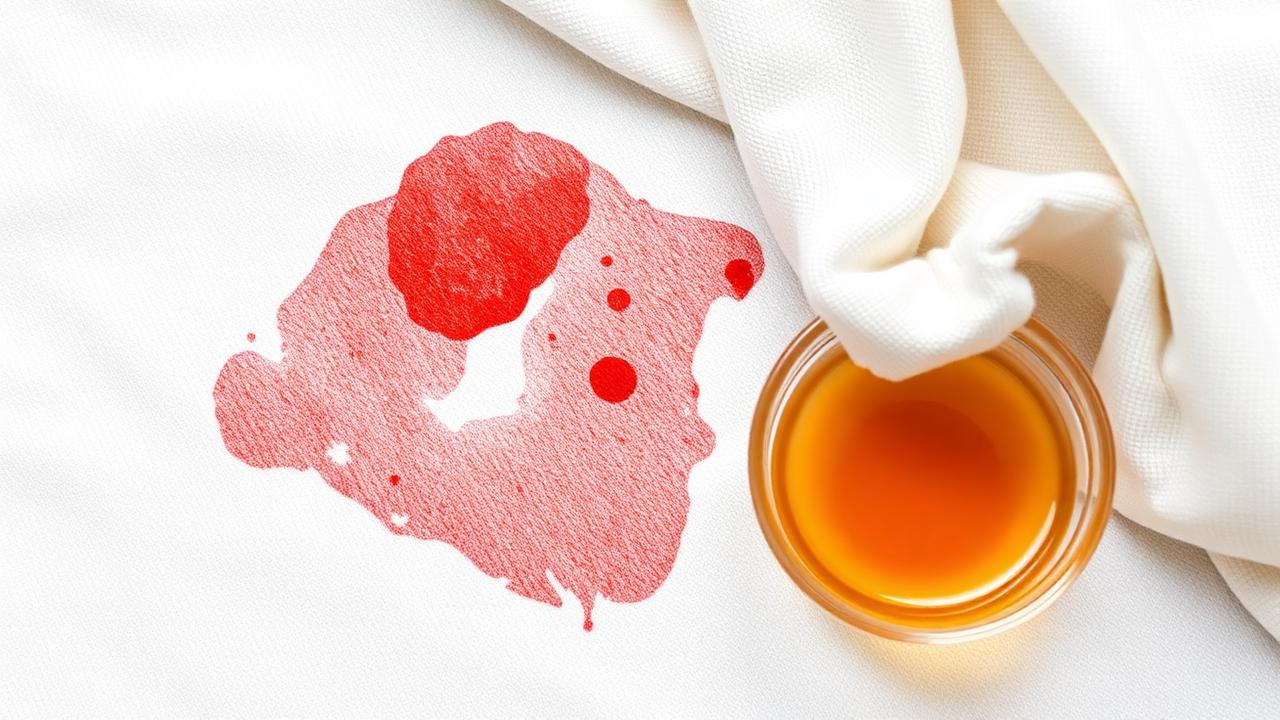
- For heavy red or dark candle dyes, spray an oxygen-based carpet cleaner, let sit for 5 minutes, and blot dry with clean towels.
Step 6: Dry and Restore Carpet Pile
Let the treated carpet air dry completely for 1 to 2 hours. Once dry, run a vacuum over the area using the rotating brush roll to fluff compacted fibers, restore pile texture, and extract any microscopic wax flakes left deep in the carpet backing.
Comparison of Wax-Transfer Materials
| Material | Wax Absorption Rate | Heat Tolerance | Risk of Staining Carpet | Best Used For |
|---|---|---|---|---|
| Plain Brown Paper Bag | High | Up to 350°F | Very Low (if unprinted) | Standard paraffin & soy wax spills |
| White Cotton Towel | Very High | Up to 400°F | Zero | Heavy wax deposits, wool carpets |
| Parchment Paper | Low (Repels wax) | Up to 420°F | Zero | Not recommended (blocks absorption) |
| White Paper Towels | High | Up to 300°F | Low (May stick if overheated) | Small, shallow drops of wax |
Critical Mistakes to Avoid
- Using a wet towel: Wet heat turns steam into a barrier that repels hydrophobic wax, trapping it in carpet backing. Always use dry heat and dry absorption media.
- Overheating synthetic fibers: Synthetic carpets like olefin and low-pile polyester melt instantly if iron heat exceeds 300°F. Always start on the lowest temperature setting and gradually increase only if wax fails to melt.
- Leaving printed ink against carpet: Logos or barcodes on grocery bags transfer permanently to damp, warm carpet within 5 seconds of heat application.
- Scrubbing aggressively: Vigorously rubbing liquid wax spreads melted paraffin across neighboring carpet fibers, turning a 1-inch spot into a 4-inch stain.
Frequently Asked Questions
Can I use parchment paper or wax paper instead of a brown paper bag?
No. Wax paper adds more melted paraffin to the carpet. Parchment paper features a silicone coating designed specifically to resist oils and liquids, which prevents it from absorbing melted candle wax. Use plain brown paper bags, unprinted kraft paper, or white cotton terrycloth towels instead.
How do I know if my carpet is synthetic or natural wool?
Perform a quick fiber snip test from a hidden closet corner. Take a single tuft with tweezers and bring a flame near it. Wool burns slowly, smells like burning hair, and leaves a crumbly dark ash. Synthetics (nylon, polyester, olefin) melt quickly, smell chemical or sweet, and harden into a hard plastic bead. Keep iron temperatures lower for synthetics.
How do I get red candle dye out of light-colored carpet?
After using the iron to extract all physical wax, saturate the red dye with 70% isopropyl alcohol or hydrogen peroxide (3% concentration, light carpets only). Blot with a clean white cloth. If color persists, apply an oxygen-activated carpet spot remover, let it dwell for 10 minutes, and extract using a wet-dry vacuum or damp microfiber towel.
Will using an iron void my carpet warranty or ruin the backing?
Using a low-to-medium dry iron over a thick paper or cloth barrier will not harm carpet backing if you keep the iron moving and limit heat contact to 15-20 second intervals. Never allow bare metal iron soleplates to touch carpet fibers directly.
Cleneus is reader-supported. Pages carry display advertising and some outbound product links may earn us a commission, which never changes the methods we recommend. Read our disclosure.