
How to Clean Hardwood Floors: The Complete Care and Maintenance Guide
Learn how to clean hardwood floors safely and effectively. Follow our expert step-by-step guide for daily upkeep, deep cleaning, and stain removal.
To clean hardwood floors effectively without damaging the finish, sweep or vacuum with a floor-brush attachment daily to remove grit, and clean every one to two weeks using a damp (never soaking wet) microfiber mop paired with a pH-neutral, wood-safe cleaner. Avoid using steam mops, harsh vinegar solutions, or excess water, which can warp planks and degrade protective polyurethane coatings over time.
Understanding Your Hardwood Floor Finish
Before choosing cleaning solutions and techniques, it is essential to know whether your hardwood floors are surface-sealed or penetrating-finished. Most modern wood floors feature a surface seal, such as polyurethane, polyacrylic, or urethane, which creates a protective, water-resistant barrier over the wood. Older or specialty floors may have an oil, wax, or penetrating finish that requires solvent-based or paste wax cleaners rather than water-based solutions.
You can test your floor's finish by placing a small drop of water in an inconspicuous corner. If the droplet beads up and stays on the surface, your floor is surface-sealed. If the water absorbs into the wood and leaves a dark spot within a few minutes, the floor has an oil or wax finish, or a worn sealant that requires minimal moisture and specialized care.
Routine Maintenance: Daily and Weekly Cleaning
Preventative dry cleaning is the most important aspect of hardwood floor care. Fine grit, sand, and pet hair act like sandpaper under foot traffic, gradually dulling and scratching the surface finish. Establishing a regular dry-cleaning routine prevents long-term abrasion and reduces the need for frequent wet mopping.
- Daily Dust Mopping or Sweeping: Use a flat microfiber dust mop or an angled, soft-bristle broom to collect loose dust and pet hair along high-traffic pathways.
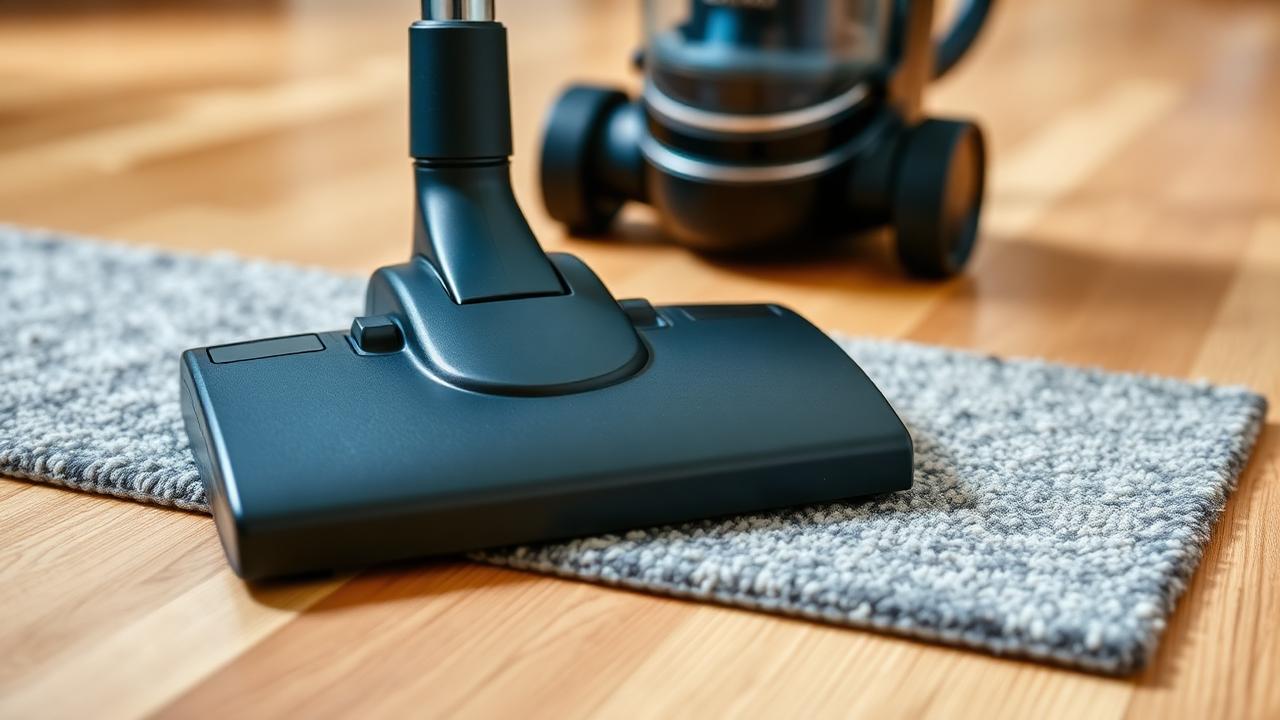
- Weekly Vacuuming: Use a canister vacuum or a stick vacuum with the rotating beater bar turned off. Always use a dedicated hard-floor brush attachment with soft natural bristles to avoid scraping the floor surface.
- Immediate Spill Pickup: Wipe up spills as soon as they happen using an absorbent cloth or paper towel to prevent liquid from penetrating seams between planks.
Step-by-Step Guide to Deep Cleaning Hardwood Floors
Even with consistent sweeping and vacuuming, everyday foot traffic, cooking oils, and environmental residues create a thin film on hardwood. Deep cleaning once every few weeks refreshes the luster and lifts stubborn dirt.
- Step 1: Clear the Floor: Remove area rugs, lightweight furniture, and floor decor. This allows you to clean seamlessly across the entire room without missing edges or trapping moisture beneath rugs.
- Step 2: Thorough Dry Clean: Vacuum or dust mop the entire area carefully, paying special attention to corners, baseboards, and under larger furniture pieces to ensure zero grit remains.
- Step 3: Prepare the Cleaner: Mix a commercial pH-neutral hardwood floor cleaner according to label instructions, or prepare a ready-to-use spray formulation designed specifically for polyurethane-finished floors.
- Step 4: Lightly Mist and Mop: Lightly mist the cleaner onto a small four-foot-by-four-foot section of the floor, or dampen a microfiber mop pad with the solution. Avoid pouring water or cleaning liquid directly onto the wood.
- Step 5: Follow the Wood Grain: Guide your microfiber mop in the direction of the wood grain using smooth, overlapping strokes to lift grime evenly and prevent streaking.
- Step 6: Rinse and Wring Regularly: If using a bucket system, ensure your mop pad is thoroughly wrung out until it is barely damp. Swap out dirty microfiber pads frequently during the cleaning process.
- Step 7: Allow to Dry Completely: Ensure optimal ventilation by running a ceiling fan or opening windows. Keep foot traffic off the floor until the surface is completely dry to prevent footprints.
Cleaning Products and Tools to Avoid
Hardwood floors are durable, but their protective coatings can be easily degraded by using improper equipment or aggressive household cleaners. Protecting your investment means keeping certain popular cleaning methods away from your wood floors.
- Steam Cleaners and Steam Mops: Steam drives high-temperature moisture deep into wood seams, micro-cracks, and plank joints, leading to buckling, cupping, peeling finish, and irreversible wood rot.
- Vinegar, Lemon Juice, and Acidic Cleaners: While common in DIY cleaning, acids chemically strip and dull the polyurethane finish over time, leaving wood vulnerable to moisture damage.
- Ammonia and Bleach: Strong alkaline solutions discolour wood tannins, cloud clear topcoats, and degrade protective sealants.
- Oil Soaps and Wax Polish on Polyurethane: Liquid waxes, furniture polishes, and heavy oil soaps leave a sticky, gummy residue that attracts dirt and prevents future recoating without complete sanding.
- Abrasive Scrubbers: Steel wool, rough scouring pads, and stiff-bristled brushes will leave fine micro-scratches on topcoats that permanently diminish shine.
How to Remove Common Hardwood Stains and Scuffs
Accidents happen, but addressing spots promptly with the correct method keeps your hardwood looking immaculate.
- Heel Marks and Rubber Scuffs: Rub the scuff gently with a dry microfiber cloth, a clean tennis ball attached to a broom handle, or a tiny dab of hardwood cleaner on a soft rag.
- Sticky Residues: Apply an ice cube in a plastic bag to harden sticky substances like gum or wax. Once brittle, gently scrape the substance off using a plastic putty knife, then wipe clean with a damp microfiber cloth.
- Pet Accidents: Blot the area immediately with paper towels. Clean the spot with a specialized wood-safe enzymatic cleaner, then wipe down with a damp cloth and dry thoroughly to neutralize odours and stop acid burns on the finish.
- Water Spots: For fresh white rings on the finish, apply gentle heat with a hairdryer on low, keeping it moving several inches from the floor, or rub lightly with a drop of mineral oil on a microfiber cloth.
Preventative Strategies to Protect Hardwood Floors
The easiest way to keep hardwood floors clean is to minimize the amount of dirt, moisture, and friction they experience on a daily basis. Incorporating a few simple habits into your household routine will preserve your floors for decades.
- Use Doormats and Runners: Place coarse bristled mats outside entry doors and absorbent rugs inside entrances to catch grit, snow, and rainwater before it reaches your wood.
- Establish a Shoe-Free Policy: Encourage family and guests to remove outdoor shoes, especially high heels and cleats, which exert hundreds of pounds of pressure per square inch and dent wood easily.
- Apply Felt Furniture Pads: Attach heavy-duty felt pads to the bottom of all chair legs, tables, and couches. Replace worn pads regularly to prevent gouges when furniture shifts.
- Maintain Pet Claws: Keep dog and cat nails trimmed and filed to avoid surface scratches in high-traffic hallways and play zones.
- Manage Indoor Humidity: Use humidifiers in dry winters and dehumidifiers or air conditioning in humid summers to maintain indoor relative humidity between 35% and 55%, preventing wood from shrinking or expanding.
Keeping Your Hardwood Pristine
Cleaning hardwood floors successfully requires a gentle, consistent approach focused on dry debris removal, moisture control, and the use of pH-neutral cleaners. By avoiding harsh chemicals, steam appliances, and excess water, you protect the floor's protective seal and preserve the natural warmth and beauty of the wood for years to come.
Cleneus is reader-supported. Pages carry display advertising and some outbound product links may earn us a commission, which never changes the methods we recommend. Read our disclosure.