
How to Clean Tile Floors: The Ultimate Step-by-Step Guide
Learn how to clean tile floors thoroughly and safely. Follow our expert step-by-step guide for sparkling ceramic, porcelain, and natural stone tiles.
To clean tile floors effectively, sweep or vacuum loose dirt and debris first, then mop using a microfiber mop dampened with warm water and a mild, pH-neutral tile cleaner. For dirty grout lines, apply a paste of baking soda and water or a specialized oxygen bleach solution, let it sit for ten minutes, scrub with a nylon brush, and wipe clean. Always dry the floor with a clean microfiber towel to prevent streaks and moisture buildup.
Why Proper Tile Floor Care Matters
Tile floors are celebrated for their durability, water resistance, and timeless aesthetic appeal. Whether installed in busy kitchens, moisture-heavy bathrooms, or high-traffic entryways, tile can withstand years of daily wear. However, dirt, grease, and hard water minerals inevitably settle into tile textures and porous grout lines over time.
Using the wrong cleaning methods or harsh chemicals can erode your grout sealant, etch glazed finishes, or leave behind a sticky detergent film that attracts more grime. Establishing a consistent, material-appropriate cleaning routine ensures your floors remain hygienic, sparkling, and structurally sound for decades.
Essential Supplies for Cleaning Tile Floors
Gathering the right equipment before you begin makes floor cleaning fast, efficient, and safe for all tile varieties. Avoid abrasive scouring pads and excessively wet string mops, which push dirty water deep into grout pores.
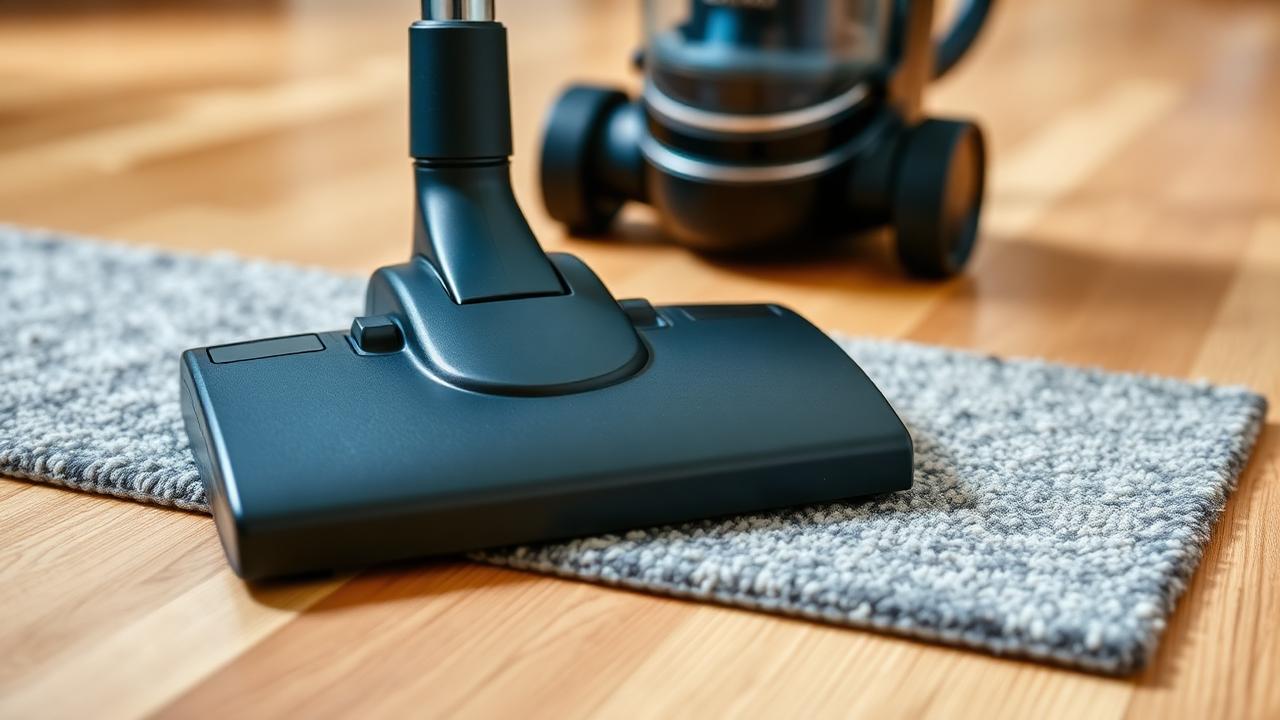
- Canister or stick vacuum with a dedicated hard-floor setting (brush roller turned off)
- Microfiber dust mop or soft-bristled indoor broom
- Flat microfiber mop with washable cleaning pads
- Bucket with a wringer mechanism
- Mild, pH-neutral floor cleaner or liquid dish soap
- Baking soda and warm water (for grout cleaning)
- Soft-bristled grout brush or an old toothbrush
- Clean, dry microfiber drying towels
Step-by-Step Guide to Cleaning Tile Floors
Follow this standard cleaning protocol once a week or as needed to maintain spotless ceramic, porcelain, and stone surfaces throughout your home.
1. Clear the Area and Remove Loose Debris
Start by moving lightweight furniture, pet bowls, and rugs out of the room. Thoroughly sweep or vacuum the entire floor space. Pay special attention to baseboards, corners, and under cabinets where grit tends to accumulate. Removing loose sand, dust, and pet hair prior to mopping prevents you from dragging abrasive particles across glazed tile, which can cause micro-scratches.
2. Prepare Your Cleaning Solution
Fill a bucket with warm tap water and mix in a manufacturer-recommended pH-neutral cleaner. If you do not have dedicated tile cleaner, mix one to two tablespoons of mild dish soap into two gallons of warm water. Avoid heavy soap concentrations, as excess suds create a cloudy film that makes tile look dull once dry.
3. Mop with the Two-Bucket Method
For the cleanest results, utilize the two-bucket system: one bucket contains your soapy cleaning mixture, and the second bucket holds clean rinse water. Dip your microfiber mop into the cleaning solution, wring it out until damp rather than soaking wet, and mop in smooth, overlapping strokes. Periodically rinse the dirty mop head in your clean water bucket to avoid redistributing dissolved grime across the floor.
4. Target Stubborn Spots
If you encounter sticky residues, dried spills, or grease marks, apply a small amount of concentrated soapy water directly to the spot. Allow the liquid to loosen the residue for three to five minutes, then gently buff it away using a handheld microfiber cloth.
5. Dry the Surface Completely
While allowing tile to air dry is common, wiping the floor down with a clean, dry microfiber towel prevents water spots, eliminates slip hazards, and stops mineral deposits from settling on glossy surfaces. Drying also ensures that residual moisture does not seep into unsealed grout joints.
How to Deep Clean Dirty Grout Lines
Because grout is porous, it absorbs spills, dirty mop water, and oils much faster than the surrounding tile. Even clean tile looks dingy when framed by discolored grout. Deep clean your grout lines every few months using this simple, non-toxic method:
- Make a Cleaning Paste: Mix equal parts baking soda and warm water until a thick, spreadable paste forms.
- Apply to Grout: Spread the paste generously along the grout lines using your fingers or a spatula. Let the paste sit for 10 to 15 minutes to penetrate embedded grime.
- Scrub Gently: Use a soft-bristled grout brush to agitate the paste along the grout channels. Avoid using stiff metal wire brushes, which can gouge and crumble mortar.
- Rinse and Wipe: Wipe away the baking soda residue with a damp sponge or microfiber cloth, rinsing your cloth frequently in clean water.
- Reseal Grout: Once the grout is completely dry (usually after 24 hours), apply a high-quality penetrating grout sealer to protect against future stains.
Tailoring Your Technique by Tile Type
Not all tiles share the same chemical tolerance. Understanding your specific flooring material prevents permanent surface damage.
- Ceramic and Porcelain Tile: These are the most resilient options available. They tolerate standard household cleaners, mild vinegar-water solutions (if grout is properly sealed), and steam mops.
- Natural Stone Tile (Marble, Travertine, Slate, Granite): Stone tiles are sensitive to acids and alkaline products. Never use vinegar, lemon juice, ammonia, or bleach on natural stone, as acid causes irreversible chemical etching. Stick exclusively to stone-specific pH-neutral cleansers.
- Vinyl and Linoleum Tile: Avoid excessive moisture and abrasive scrubbers. Use gentle floor detergents and warm water to prevent loosening tile adhesive.
Common Tile Cleaning Mistakes to Avoid
To keep your floors in pristine condition, avoid these widespread maintenance errors:
- Using Soaking Wet Mops: Sloshing dirty water over the floor forces murky fluid into the grout lines, causing long-term discoloration and mildew growth.
- Skipping the Pre-Sweep: Mopping over dirt and sand turns dry dust into muddy sludge and scratches shiny glazes.
- Using Harsh Abrasives or Bleach: Undiluted chlorine bleach weakens grout integrity over time and strips away protective sealers.
- Overusing Floor Wax or Polish: Glazed ceramic and porcelain tiles do not require wax. Applying topical polishes leaves a waxy buildup that attracts dust and darkens over time.
Conclusion
Knowing how to clean tile floors correctly keeps your living spaces sanitary, bright, and welcoming. By sweeping regularly, mopping with a damp microfiber pad and pH-neutral cleaner, and treating grout lines with gentle agitating pastes, your tile floors will retain their showroom finish for years to come.
Cleneus is reader-supported. Pages carry display advertising and some outbound product links may earn us a commission, which never changes the methods we recommend. Read our disclosure.