How to Get Dog Urine Smell Out of Laminate Flooring: Step-by-Step Guide
Eliminate stubborn dog urine odors from laminate floors safely. Learn exact formulas, enzymatic treatments, and drying techniques to save your planks.
To get dog urine smell out of laminate flooring, blot up standing liquid immediately with microfiber towels, mist the area lightly with a targeted bio-enzymatic cleaner, let it dwell for 5 to 10 minutes to break down uric acid crystals, and wipe it completely dry. Finish by dusting the seams with dry baking soda for 4 to 6 hours to absorb residual odors before vacuuming with a hard-floor attachment. Because laminate planks contain a wood-composite high-density fiberboard (HDF) core that swells and warps when exposed to standing liquid, neutralizing urine odors requires strict moisture control and fast-acting, non-damaging cleaners.
Why Dog Urine Odor Lingers in Laminate Flooring
Dog urine is composed of urea, urochrome, hormones, bacteria, and uric acid. While basic cleaning products wipe away water-soluble urea and urochrome pigments, uric acid is insoluble in basic soaps and water. Over time, uric acid dries into concentrated salt crystals.
When these crystals settle between the click-lock seams of laminate planks, ambient humidity reactivates them, releasing strong ammonia and sulfur fumes. If urine penetrates the wear layer and reaches the absorbent HDF core or the foam underlayment below, standard surface mopping will fail to neutralize the source of the smell.
Essential Supplies for Treating Urine on Laminate
- Bio-enzymatic pet odor eliminator: Formulated with live bacterial cultures that digest uric acid (e.g., Rocco & Roxie Supply Co. or Nature's Miracle).
- Distilled white vinegar: 5% acidity, diluted 1:1 with warm water (100°F to 110°F).
- Baking soda (Sodium bicarbonate): Pure dry powder for moisture and odor absorption.
- Microfiber towels: 300+ GSM lint-free cloths for maximum absorbency without scratching the wear layer.
- 395 nm UV blacklight: To locate dried, invisible urine deposits along plank joints.
- Box fan or low-profile floor air mover: To accelerate drying and prevent plank edge swelling.
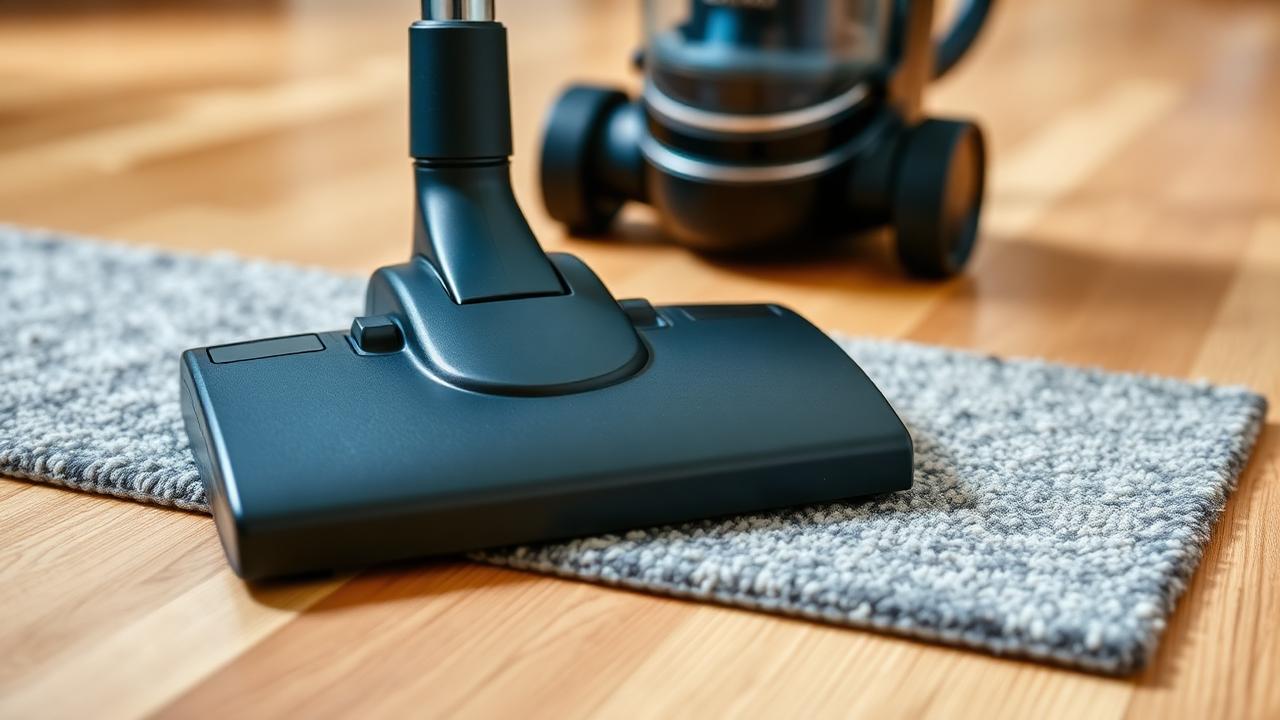
- Hard-floor vacuum: Vacuum cleaner with a dedicated bare-floor setting or brush roll shut-off switch.
Step-by-Step: Removing Fresh Dog Urine Smell
Prompt action prevents liquid from seeping into micro-gaps between laminate planks. Follow these steps for active accidents:
Step 1: Blot Without Spreading
Fold a dry microfiber towel and press it firmly over the puddle. Allow the towel to pull liquid vertically out of the seams. Do not wipe or drag the towel across the floor, as this pushes urine deeper into adjacent plank bevels.
Step 2: Apply a Bio-Enzymatic Mist
Shake the enzyme cleaner thoroughly. Adjust the spray nozzle to a fine mist rather than a direct jet. Spray a light, even coat over the affected area, using no more than 1 to 2 ounces of liquid per square foot. Ensure the seams are damp but not flooded. Let the enzymes dwell for 5 to 10 minutes so the bacteria can consume the uric acid proteins.
Step 3: Remove Cleaner and Dry the Substrate
Wipe the floor thoroughly with a clean, dry microfiber cloth. Place a floor fan or hair dryer set to cool (never use high heat, which breaks down the laminate adhesive) 2 feet away from the wet area. Run the air mover for 15 to 30 minutes until the surface and joints are bone dry.
Step 4: Deodorize Seams with Baking Soda
Dust a thin layer of dry baking soda (roughly 2 tablespoons per square foot) directly over the joints where urine sat. Leave the powder for 4 to 6 hours to pull trace moisture and organic gases from the edges. Vacuum up the powder using a suction-only bare-floor tool.
How to Treat Old, Dried Urine Stains and Deep Odors
If the urine has already dried, the uric acid crystals are bonded to the laminate surface texture and bevels. Use this multi-stage neutralization process:
Step 1: Pinpoint the Source with a UV Light
Turn off the room lights and scan the floor using a 395 nm UV flashlight. Dried dog urine fluoresces a dull yellow or neon green. Mark the perimeter of the stain with low-tack blue painter's tape.
Step 2: Break Down Crystals with a Vinegar Solution
Mix 1 cup of 5% distilled white vinegar with 1 cup of warm distilled water (approx. 105°F). Vinegar's acetic acid neutralizes alkaline ammonia salts. Lightly dampen a microfiber cloth in the solution—wringing it out until it is barely wet to the touch—and place it directly over the dried stain for 3 minutes. Remove the cloth and gently buff the surface with dry microfiber.
Step 3: Enzymatic Deep Soak (Controlled Application)
Apply an enzyme cleaner along the seam lines using an eyedropper or narrow squeeze bottle rather than spraying wide areas. Apply 1 drop every 2 inches along the joint. Let the product seep slightly into the top edge of the seam for 10 minutes. Immediately blot dry with firm pressure using dry paper towels or microfiber.
Comparison of Urine Odor Solutions for Laminate Floors
| Cleaning Agent | Dwell Time | Odor Neutralization | Moisture Risk Level | Best Used For |
|---|---|---|---|---|
| Bio-Enzymatic Cleaner | 5–10 minutes | Permanent (digests uric acid) | Low to Moderate | Fresh accidents & lingering organic odors |
| 1:1 White Vinegar & Water | 3 minutes | High (neutralizes ammonia) | Low (when wrung out) | Dried surface deposits & hard-water stains |
| Dry Baking Soda | 4–8 hours | Moderate (absorbs gas & moisture) | Zero (dry method) | Post-cleaning moisture extraction |
| 3% Hydrogen Peroxide | 2 minutes | High (oxidizes stains & smells) | Moderate (can bleach dark floors) | Light-colored laminate with deep stains |
Vacuuming & Floor Care Best Practices for Laminate
Proper vacuuming prevents abrasive grit from wearing away the protective aluminum oxide coating of laminate floors, which makes planks more susceptible to liquid absorption.
- Disengage the motorized brush roll: Stiff rotating bristles can cause micro-scratches on laminate surfaces, trapping urine odors deeper. Use a vacuum with a rubberized roller or a dedicated parquet floor nozzle.
- Never use a steam mop: Steam mops force pressurized water vapor at temperatures exceeding 212°F directly into laminate seams. This causes instantaneous edge swell (peaking), dissolves core adhesives, and pushes urine deeper into the subfloor.
- Maintain indoor relative humidity: Keep home humidity levels between 35% and 55%. High indoor humidity reactivates dormant uric acid salts trapped under baseboards and floor joints.
What to Do If Urine Soaked Under the Planks
If a strong ammonia smell persists despite surface enzyme treatments, urine has likely penetrated the locking joints and saturated the underlayment or the subfloor (plywood or concrete).
- Carefully pry off the quarter-round molding or baseboard nearest to the accident zone.
- Number the back of each laminate plank with pencil and unclick them sequentially until you expose the affected subfloor area.
- Discard and replace saturated foam or felt underlayment, as pet urine cannot be completely washed out of porous padding.
- Clean the exposed concrete or plywood subfloor with an enzymatic cleaner. For plywood, apply an odor-blocking shellac-based primer (such as Zinsser B-I-N) to permanently seal in historical odor molecules before reinstalling the floor.
- Reassemble the dry planks, replacing any individual boards displaying blackened edges or swollen cores.
Frequently Asked Questions
Will hydrogen peroxide ruin laminate floors when cleaning urine?
Standard 3% hydrogen peroxide is safe for light-colored laminate when used in moderation, but it can bleach or lighten dark wood-grain prints if left on the floor for more than 3 to 5 minutes. Always perform a spot test in an inconspicuous area (such as inside a closet) before applying peroxide to visible floor areas.
Why does my laminate floor smell worse after cleaning it with soap and water?
Standard floor detergents and water dissolve surface urea but fail to break down uric acid salts. The added moisture reactivates the acid crystals, while water pushed into the plank seams increases odor emission and causes fiberboard swelling.
Can I use baking soda paste on laminate flooring?
Avoid wet baking soda pastes on laminate. Baking soda is mildly abrasive (Mohs hardness of 2.5) and can haze the glossy wear layer when scrubbed. Additionally, a wet paste introduces prolonged moisture to plank seams. Use baking soda only in its dry powder form.
How long do enzyme cleaners take to eliminate dog pee smell completely?
Bio-enzymatic cleaners begin working immediately upon contact and continue breaking down organic matter as long as the application remains slightly damp. Most odors are eliminated within 12 to 24 hours after the area has completely dried.
Cleneus is reader-supported. Pages carry display advertising and some outbound product links may earn us a commission, which never changes the methods we recommend. Read our disclosure.